
Man City 115 Verdict: A Reputation Crisis for Everyone
Why Man City's reported guilty verdict on 114 of 115 charges isn't just a problem for the club and its fans, and why rival clubs, the Premier League, Abu Dhabi and Britain's reputation for fair play all pay the price.
Why Enhanced Investor Governance Can Curb AI Risk
Four rival AI chief executives have said, within a day of each other, that the industry needs to slow down its race to AGI. Governments listened and entered into a debate. Yet, the people who actually hold the leverage, the investors funding the next round, have barely entered the conversation. Should AI investor governance, not government regulation, be the lever that can actually curb AI risk if AI regulation is slow to establish itself?

Why Defence Investment Shouldn't Be Treated as a Sin Stock
Defence secures the world we live in and has quietly fuelled decades of innovation and growth. Yet for too long, it has carried a reputation it does not deserve and is making us vulnerable to hostile states.

Is AI's Efficiency Story Hiding an Adoption Gap?
AI spending keeps rising, but adoption hasn't followed. See the data behind the efficiency narrative, and why it's building a trust crisis for boards

Why Sovereign Wealth Funds Are Becoming GPs
Sovereign wealth funds are quietly building their own asset-management platforms. They are becoming the GPs they used to fund, not just the LPs behind them. What is the impact of this move?

How the Evolving News Economy Is Reshaping Investor Trust
Reputation, trust, and misinformation risk have moved to platforms and AI chatbots. What the Reuters Institute for the Study of Journalism 2026 Digital News Report mean for investor and technology company trust and reputation strategy.

AI and Reputation: Today's Biggest Geopolitical Risks?
Geopolitics, AI and governance are rewriting the rules of trust. Here's what new data from the 2026 Oxford University’s GlobeScan Global Corporate survey says, and why it matters to you.

Burnham, Healey and Reynolds: Britain's Growth Moment?
Burnham, Healey and Reynolds are now responsible for growth. William Hague, Chancellor of Oxford University and former Leader of the Conservative Party, says Britain's problem isn't invention, but conversion and commercialisation. He's right. But we also need to talk about culture, and the risk-averse mindset that holds back British innovation instead of rewarding it.
Can Andy Burnham Fix Britain's Regional Growth Gap?
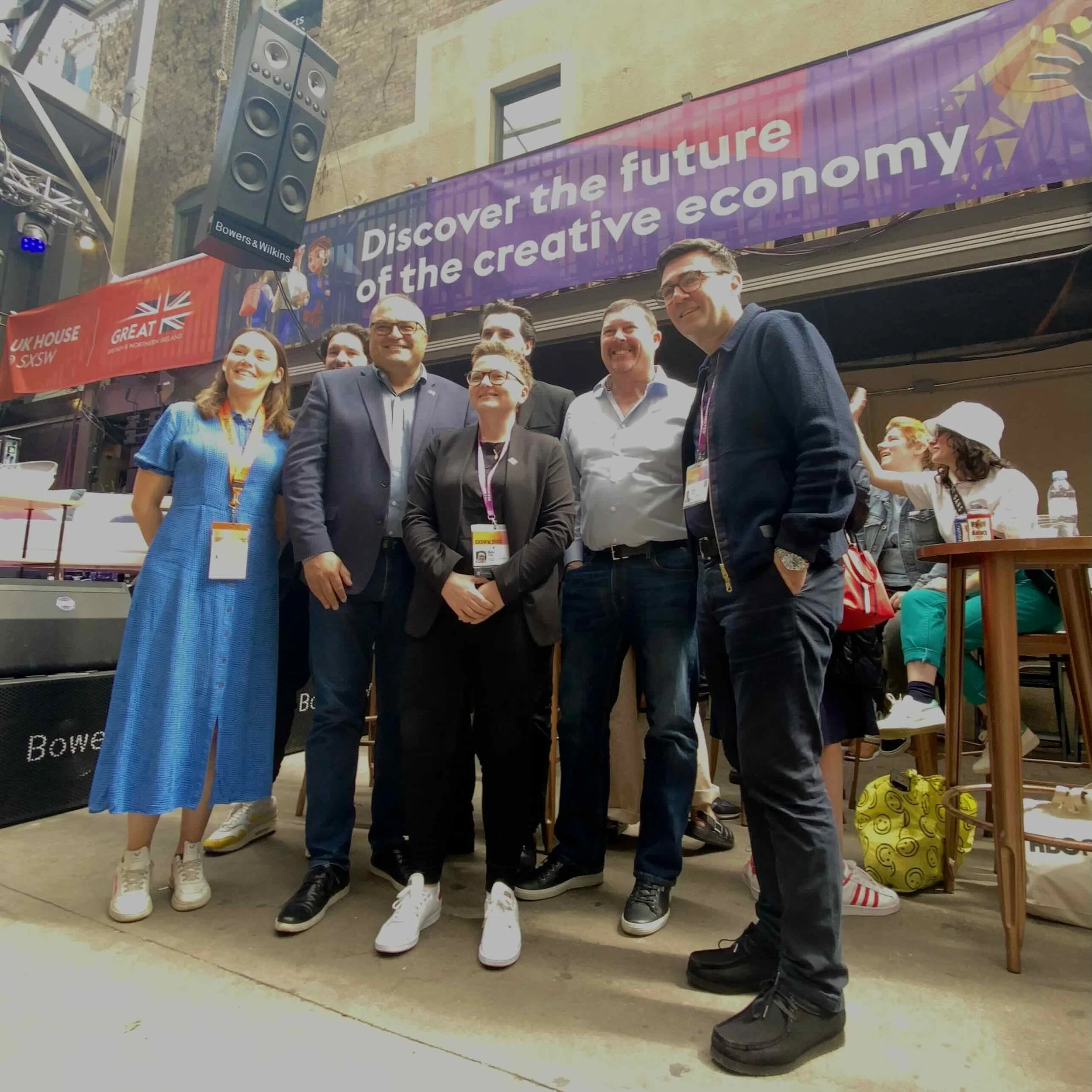
In 2023 I watched Andy Burnham at SXSW in Austin. He was not performing engagement. He was listening. Technology companies noticed. Investors noticed. Manchester benefited. Today's speech reflects exactly that instinct: growth and trust are built from proximity, not imposed from the centre. The question is whether the British state can be rewired quickly enough to make it work.