

How the Evolving News Economy Is Reshaping Investor Trust
Reputation, trust, and misinformation risk have moved to platforms and AI chatbots. What the Reuters Institute for the Study of Journalism 2026 Digital News Report mean for investor and technology company trust and reputation strategy.
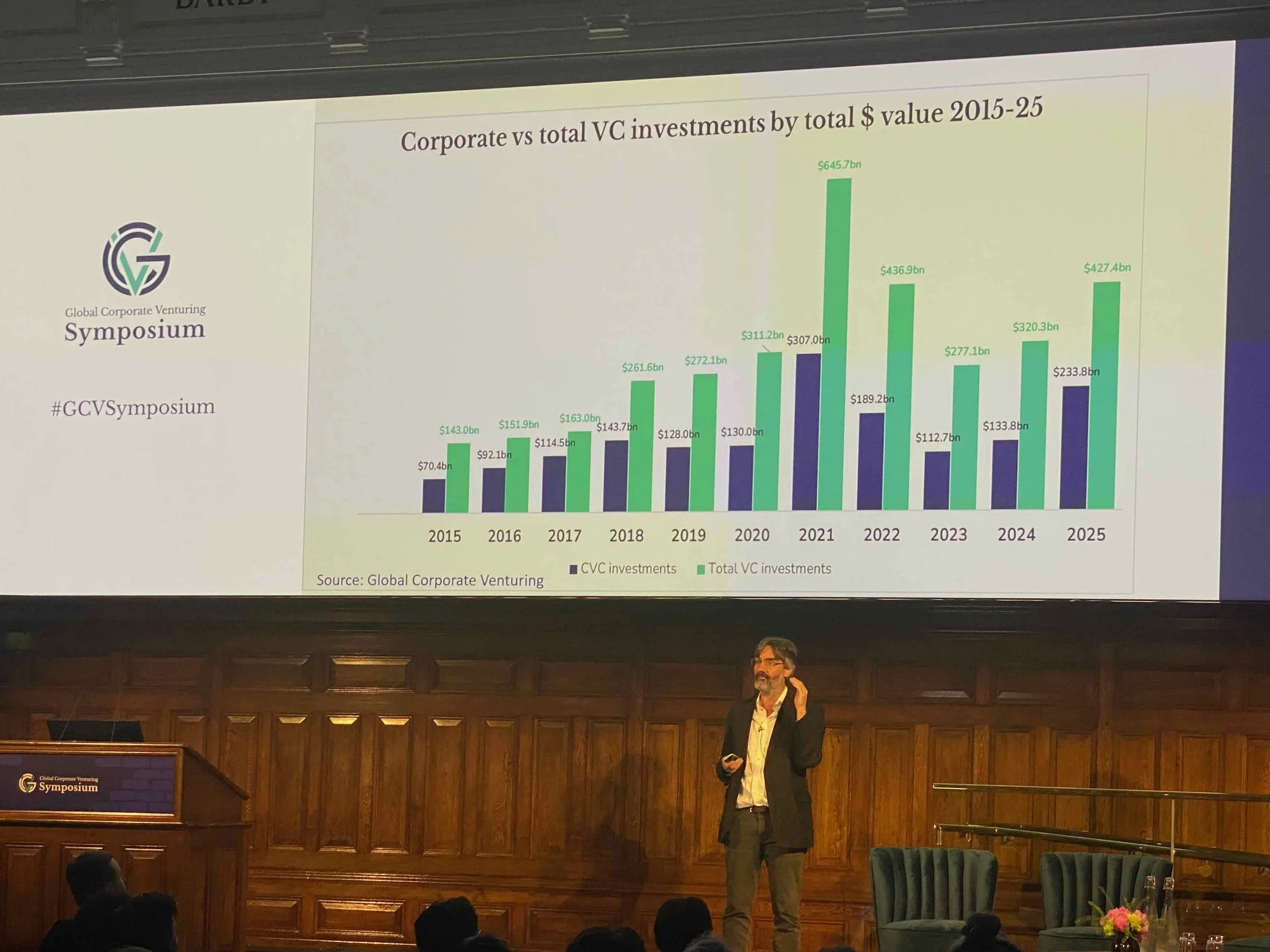
Corporate Venture Capital: The Human Innovation Gap
Two days at the Global Corporate Venturing Symposium in London confirmed something I have believed for years: the biggest barrier to innovation in investment, defence, and deep tech is not the technology. It is the risk-averse culture inside the institutions that should be accelerating it. Here is what the signals said, and why it matters now.

Why AI Companies Are Losing the Trust War
Two landmark global studies published this month reveal something the AI industry is not yet ready to hear. Public trust in AI is falling in the markets that matter most, and the information environment through which people form their opinions about it is in crisis. This is not a communications problem. It is a strategic one. Julio Romo draws on data from the Ipsos AI Monitor 2026 and the Reuters Institute Digital News Report 2026 to examine what the signals mean for AI companies, governments, and investors, and why tactical communications is making the trust deficit worse, not better.

Sorrell Is Wrong: Reputation Matters More Than Reach
Sir Martin Sorrell is wrong. Reputation is not built through volume and reach — it is built through trust, judgement and behaviour over time. The argument that leadership communications needs.
The Geopolitics Shift Boards Cannot Ignore
The 2025 US National Security Strategy marks a break from liberal globalisation. Supply-chain control and strategic competition are now board-level priorities. What this means for investors and executives.
The Hidden M&A Risk: Trust, Perception, Reputation
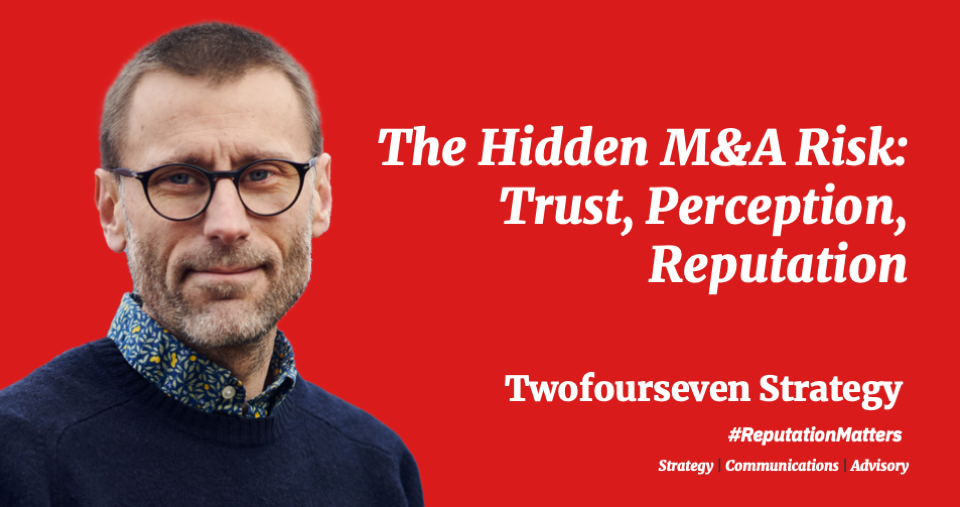
Most M&A failures are not caused by financial errors but by mismanaged perception, weak private engagement and cultural misunderstanding. Trust, reputation and strategic advisory must sit at the centre of every deal. This article explains why private communications, geopolitical fluency and cultural intelligence are now essential to securing stakeholder confidence and protecting value.

Why AI Needs Human Strategists Now
AI is transforming consulting, but leaders still need human judgment and expertise. This is why strategists skilled in perception, reputation, and trust are essential to harness AI that builds confidence that drives growth.

Why Soft Power is Vital In a Multipolar World
What soft power is, how countries use it to shape diplomacy, trade and investment, and why it still matters in a more contested, multipolar world. The Foreign Policy Centre has just released its latest report outlining a way forward for the UK Government to develop soft power.

How Soft Skills Can Power Growth in the Age of AI
As AI transforms work, human skills, trust, empathy, and reputation, are becoming the true growth drivers. Leaders in business, government, and investment must use AI for productivity, not just efficiency, to secure long-term resilience and competitive advantage.