
Global Transformation in 2025: Five Strategic Imperatives for Visionary Leaders
Five trends to look out for in 2025, from the development of a multipolar world and the rise of quantum computing to ESG and digital transformation trends. Strategy, strategic communications and stakeholder engagement will help businesses grow.

In the rapidly evolving landscape of 2024 and beyond, global decision-makers face an unprecedented confluence of geopolitical, technological, and economic shifts. Drawing from comprehensive research and strategic analysis, this exploration unveils five critical trends defining organisational success in 2025.
Geopolitical Recalibration: The Multipolar World Order
The traditional unipolar global power structure will continue to give way to a more complex, interconnected multipolar ecosystem. By 2025, emerging economies are projected to contribute over 60% of global GDP, a dramatic leap from 45% in 2010, according to the International Monetary Fund's World Economic Outlook.
China's economic trajectory exemplifies this transformation. With its GDP expected to reach $25 trillion by 2025, the nation is unprecedentedly narrowing the gap with the United States. Simultaneously, India's remarkable growth positions it to become the world's third-largest economy by 2027, surpassing established economic powerhouses like Germany and Japan.
Strategic Imperative
We are entering an era where perception and positioning will be even more critical for how they are perceived in national and global markets.
Organisations must improve how they navigate traditional geopolitical environments. This means diversifying their international public affairs engagements, especially in the US with an incoming ‘America First’ administration, conducting rigorous geopolitical risk assessments, and developing agile investment strategies for emerging regional dynamics.
Additionally, companies and brands will be at greater risk of misinformation, creating an environment where perception and reputation are more vulnerable, especially as new technology is used to undermine trust.
Technological Frontiers: AI and Quantum Computing Reshape Innovation
The convergence of artificial intelligence and quantum computing represents more than a technological revolution — it's a fundamental reimagining of industrial capabilities. According to Bain & Company, the market for AI products and services alone could attain between $780 billion and $990 billion by 2027, reflecting a robust annual growth trajectory.
Government investments confirm this potential, with the United States having allocated ‘over $2.6 billion in federal funding dedicated to AI R&D in 2025.’ This includes $1.6 billion for the National Institutes of Health (NIH) AI R&D, $729 million for the National Science Foundation (NSF) and $310 million for the Defense Advanced Research Projects Agency (DARPA). China surpases this level of investment exceeding $70 billion.
All while global quantum computing investments have surpassed $22 billion, signalling a transformative technological moment.
Quantum computing has the potential to revolutionise industries by enabling researchers to solve complex problems that are currently beyond the capabilities of classical computers.
In the life sciences, it could transform drug discovery by dramatically reducing the time and cost of bringing new treatments to market. Quantum algorithms are expected to optimise supply chain logistics, enhance financial modelling, and improve energy usage in manufacturing, driving significant efficiency gains across sectors.
This technology also promises to unlock new financial growth opportunities, particularly in pharmaceuticals and biotechnology, where the global market for quantum-enabled solutions could generate billions in value by enabling personalised medicine and accelerating breakthroughs in genetic research. As quantum computing moves closer to practical application, its integration could redefine innovation and position adopters at the forefront of technological and economic advancement.
Strategic Imperative
Leaders must view AI and quantum computing not as optional technologies but as core strategic assets and opportunities. This will demand robust investment in research and development, talent acquisition, and ethical framework development.
As AI and GenAI become part of the organisation, quantum and the impact this will have on markets, industry and innovation needs to be prepared for.
Partnering with innovators, especially researchers from academic institutions, can help unlock value if a risk-taking culture is established.
Sustainability: The New Strategic Differentiator
Environmental, Social, and Governance (ESG) factors have evolved from peripheral considerations to central strategic imperatives. By 2025, ESG assets are expected to represent one-third of global assets under management, totalling an estimated $50 trillion.
Consumer sentiment reinforces this trend. An overwhelming 88% of consumers now expect brands to support environmental sustainability actively. Regulatory frameworks, such as the European Union's Sustainable Finance Disclosure Regulation, transform ESG from voluntary commitment to mandatory strategic consideration.
Strategic Imperative
Sustainability is no longer a corporate social responsibility checkbox—it's a fundamental driver of innovation, risk mitigation, and long-term value creation.
Yet, ESG and clean technology ventures will have to pivot in how they present themselves after the US elected Donald Trump as their next President. As I said in a previous blog post, messaging will have to switch to that of how clean tech creates jobs and delivers growth.
Digital Transformation: Redefining Stakeholder Engagement
Digital technologies are dramatically restructuring organisational interactions. Global digital transformation spending is anticipated to reach $2.3 trillion by 2025, with 65% of global GDP forecasted to be digitised.
Customer expectations have fundamentally changed. Seventy-five per cent of consumers now demand that companies leverage new technologies to enhance experience and deliver more personalised, efficient interactions.
Strategic Imperative
Organisations must develop sophisticated, multi-channel digital strategies that prioritise user experience, data security, and continuous technological adaptation.
Any business and digital transformation work will need to invest more in not just the technology. For digital transformations to be successful and unlock profit there must be investment made in training, communications and support, areas that are often ignored, but are vital in making sure that the investment in the technology delivers for the business and the consumers.
Investment Landscapes: The New Rules of Capital Deployment
The investment ecosystem is undergoing a radical transformation. Global venture capital investment doubled in 2021, reaching $643 billion. Private equity firms command over $2.59 trillion in uninvested capital, while family offices manage more than $6 trillion globally.
This represents more than a funding shift — it's a fundamental reimagining of how capital flows through the global economy, with significant implications for strategic planning and organisational development.
Strategic Imperative
Agility, forward-thinking sector analysis, and the ability to articulate compelling value propositions have never been more critical.
Strategic communications rather than just tactical activities will help investors and companies they invest in better present and position themselves.
Navigating Complexity with Strategic Clarity
The convergence of these trends demands more than incremental adaptation—it requires holistic, visionary leadership. As silos and barriers emerge around the world, strategic communications, international stakeholder engagement, and a commitment to continuous learning will deliver opportunity. Collaboration will be critical in unlocking growth.
Leaders can transform potential disruption into a sustainable competitive advantage by understanding these dynamics and proactively developing responsive strategies.
Navigating the Social Media Landscape in 2025: Audiences Are Retreating Into Siloes
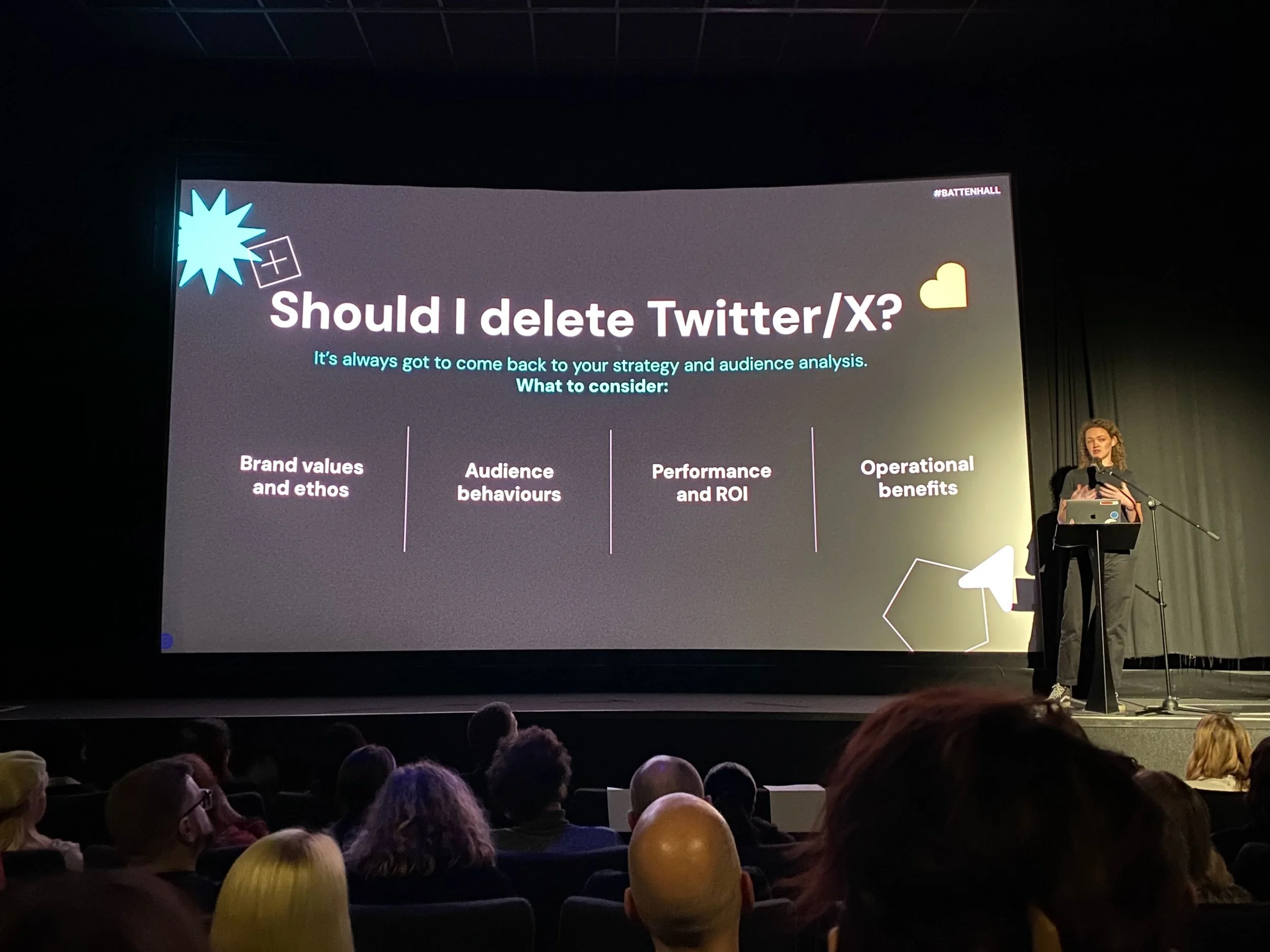
Battenhall released its 2025 ‘The Year Ahead In Social’ report, which highlighted the rise in ‘dark social’ as a channel that people continue to move towards in a hyper-polarised environment. People want relevance and authenticity from brands that engage with them. Going siloed is becoming a trend.

Social media agency Battenhall yesterday released its ‘Year Ahead in Social’ report at its annual event in Soho, which attracted around 400 people.
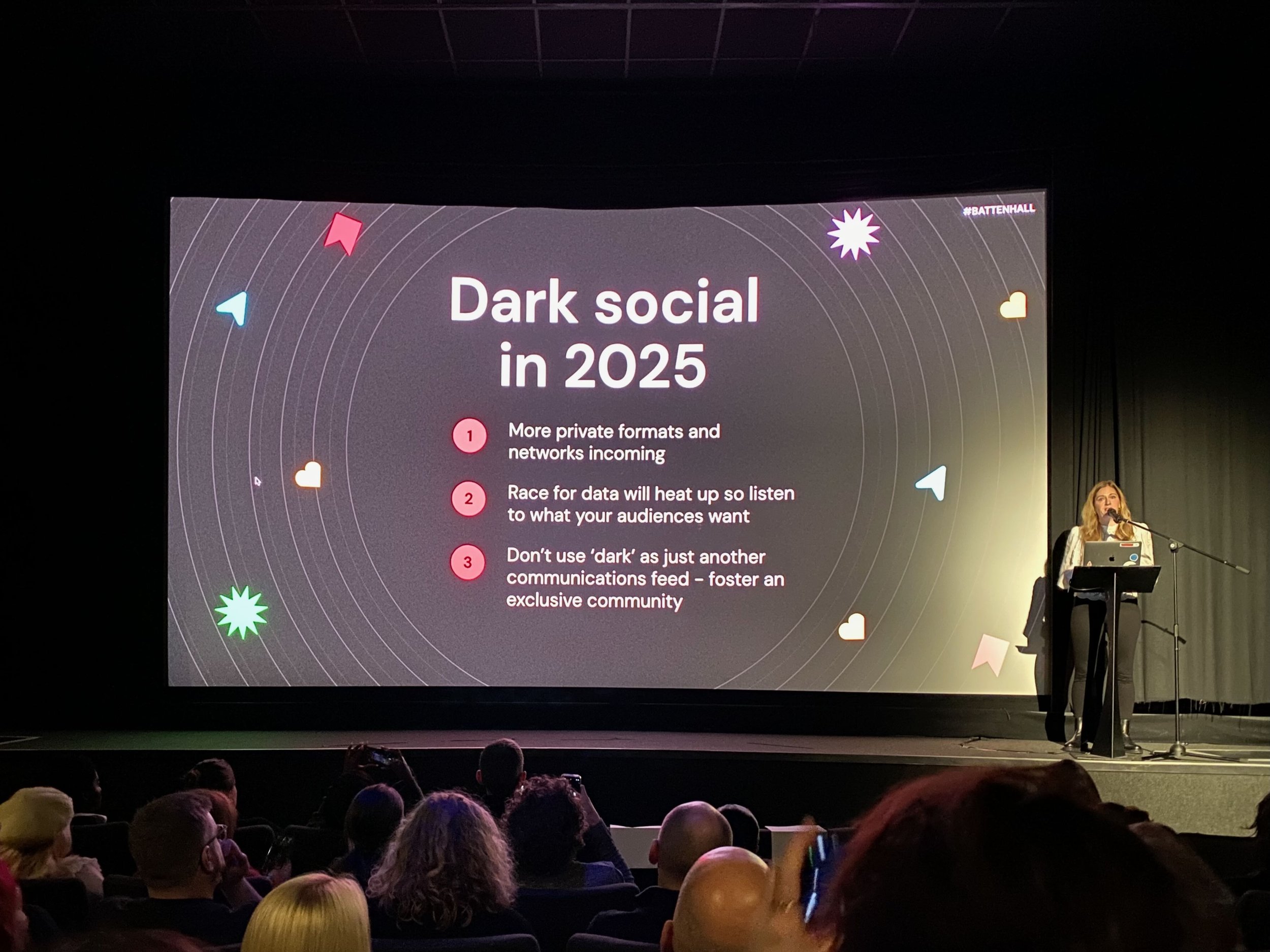
One of the key views for 2025 is that after the rise in polarization of debate on social media how users are moving to private channels to share their lives, views and opinions. ‘Dark social’ is becoming mainstream.
As we approach a new year, the social media environment is undergoing significant transformation, presenting challenges and opportunities for businesses and governments. Recent insights from industry events and reports highlight key trends reshaping our engagement with digital audiences. These include the rise of private channels, the strategic use of artificial intelligence, and a heightened focus on community and cultural relevance.
Social media is not dying. It’s just evolving. It’s not social media that is evolving; it's users who are siloing into smaller groups where their audiences seem more relevant to their own views and likes.
So, what are the key takeouts?

Strategic Platform Prioritisation: Navigating the Era of Social Sorting
In an age where digital noise is at an all-time high, users are increasingly selective about the platforms they engage with — a phenomenon that Battenhall has described as ‘social sorting.’
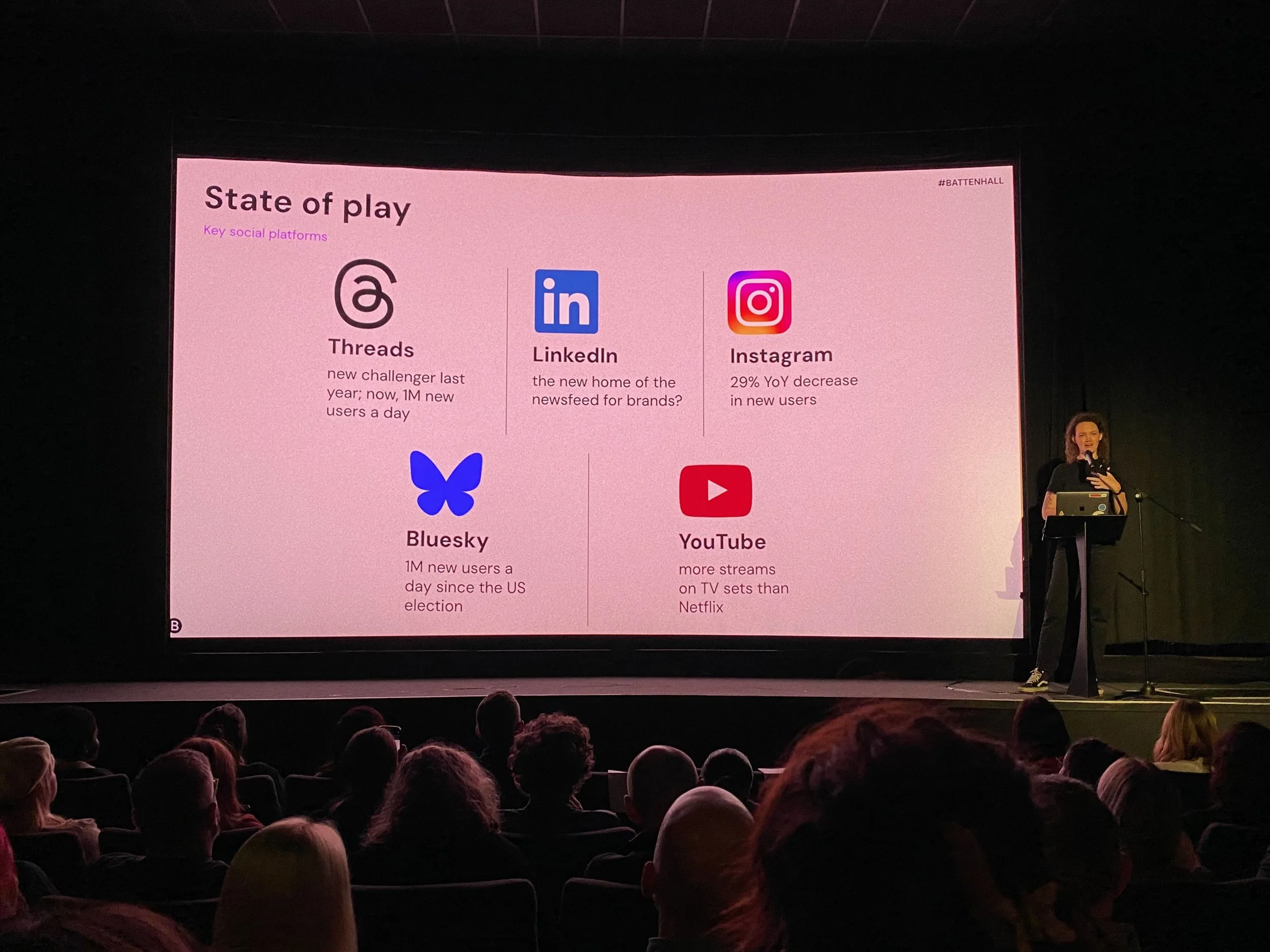
There is a noticeable shift towards platforms aligning closely with users’ values and professional needs. Conforming to other reports, platforms like LinkedIn have solidified their position as premier networks for professional engagement, as platforms like Instagram and X (formerly Twitter) are experiencing shifts in user activity among specific demographics.
Companies are seeing that their presence on LinkedIn, for example, needs to be balanced between the promotion of the company and brand and the content and insight that users want from experts and thought leaders. Finding that balance is hard, but value is gained for brands when that balance is secured. Conversely, platforms like Instagram and Facebook are ideal for showcasing company culture and community involvement, while TikTok can be used to engage younger demographics with creative storytelling.
For organisations, conducting regular audits of their social media presence is essential. Allocating resources to platforms that align with strategic goals ensures a higher return on investment and strengthens connections with target audiences. From a business positioning perspective, it is critical to design an organisation’s presence on social channels from a corporate and strategic communications perspective so that a brand can tell a story that works towards building trust.
By understanding where your audience spends their time online, you can deliver content that resonates and fosters meaningful engagement.
Embracing Dark Social: Unlocking the Power of Private Channels
‘Dark social’ has been around for around a decade and refers to content sharing through private channels like WhatsApp, Signal, Telegram, and DMs.
According to Battenhall, 95% of content-sharing activity takes place on dark social media, an issue that is impacting how companies, especially those in media, are able to create traffic to their owned platforms.
Effective and strategic usage of dark social media can help deliver high engagement in communications and engagement campaigns while maintaining privacy, which users expect.
To effectively engage in dark social, organisations should develop shareable content that encourages private sharing. Creating infographics and concise messages can prompt audiences to share information with their networks. Building exclusive communities, such as invite-only groups or forums, can create deeper stakeholder relationships. Additionally, leveraging advanced analytics tools can provide insights into dark social traffic and engagement patterns.
Respecting user privacy while providing value builds trust and positions your organisation as a reliable source of information.
Dark Social is here to stay and can deliver huge levels of personalised engagement; you can reach audiences in spaces where they feel most comfortable and receptive.
In a certain way, from the early days of social media, when a dragnet approach was used. Organisations now need to be focused and know the pool they want to go fishing in.
Harnessing AI Responsibly: Enhancing Social Intelligence and Engagement
Artificial intelligence is revolutionising how brands, companies and governments interact on social media.
Predictions suggest that AI will power a significant portion of customer interactions in 2025. However, with this advancement comes consumer scepticism; many people are cautious about AI-generated content due to concerns over authenticity and trustworthiness. And brands need to find that fine line that doesn’t damage trust.
Companies should be transparent about their use of AI to balance efficiency with trust. Informing your audience when AI is involved in customer interactions can enhance trust and credibility. Being transparent and maintaining human oversight ensures that AI-generated content preserves the brand’s voice and authenticity. By focusing on value addition — using AI for data analysis and trend spotting — human teams can concentrate on creative and strategic initiatives.
Using AI responsibly enhances social media effectiveness while maintaining the trust of your audiences. Striking the right balance between automation and the human touch is key to fostering genuine connections.

Adopting Social-First Strategies: Prioritising Digital Over Legacy Media
The dominance of social media over legacy media is undeniable. Platforms like YouTube have become primary content consumption for people, especially among younger demographics. Online platforms have surpassed traditional TV viewership in many regions, signalling a significant shift in how audiences consume content.
It is a fact that more people are today watching YouTube content on TV than Netflix. Let that sink in!
As a result, organisations should invest in high-quality content that resonates with audiences. Developing compelling narratives can engage audiences deeper, fostering emotional connections with the brand and creating a positive reaction to a call to action.
Audiences today want experiences. They want to be treated like Premier consumers, which makes sense in an economic climate where people are more cautious with their spending. Competition for the cash of your audiences is harder than ever.
Optimising content for each platform by tailoring length and format enhances the user experience they demand and increases engagement. For example, short-form videos may perform better on TikTok, while more in-depth content may be suitable for YouTube or LinkedIn.
By adopting a social-first mindset, organisations can reach wider audiences and create more impactful engagements, enabling real-time interaction and the ability to respond swiftly to emerging trends.

Building Culture and Community: Fostering Loyal and Engaged Audiences
Today’s audiences, particularly Generation Z, expect brands to embody authenticity, inclusivity, and social responsibility.
Surveys reveal that most consumers prefer companies that take a stand on current and broadly relevant issues. This expectation extends beyond product offerings to the values and ethics that organisations represent.
Companies need to be authentic and have a personality to build and nurture communities. Participating in conversations that matter to your audience without overt selling can make genuine connections. Collaborating with aligned creators — partnering with influencers and content creators who share your organisation’s values—can expand your reach and resonate with target demographics.
Localising content to reflect cultural nuances and languages enhances relevance and resonance with diverse audiences. By fostering genuine connections and demonstrating a commitment to shared values, organisations can build strong communities that support and advocate for their brand. This approach enhances brand loyalty and positions the brand as a leader in addressing important societal issues.

Managing Misinformation: Protecting Trust and Reputation
The spread of misinformation is a critical challenge in the digital age, especially on social media. Many people are concerned about false information online, which can erode trust and damage reputations. Companies must be proactive in addressing this issue to maintain credibility. They must be ready to reach and have an always-on approach to protect their reputation.
Organisations must implement social listening to monitor platforms and detect false narratives. Providing accurate information proactively can counteract misinformation before it spreads widely. Engaging with credibility by using experts and trusted voices to amplify accurate messages is essential in maintaining public trust.
Being proactive rather than reactive can significantly affect your organisation’s public image, ensuring that trust and credibility are protected, grown and enhanced.
Leading with Trust in a Dynamic Digital Age
The evolving social media landscape requires strategic foresight and a commitment to authenticity. By understanding and adapting to these key trends — strategic platform prioritisation, embracing dark social, harnessing AI responsibly, adopting social-first strategies, and building culture and community — senior leaders can enhance their organisation’s connection with audiences and strengthen their reputations. Because at the end of the day, #ReputationMatters.
Trust and reputation are the cornerstones of successful communication. Social media offers unparalleled opportunities to build these assets by fostering genuine relationships and engaging communities with integrity. By leading authentically and demonstrating a commitment to shared values, companies and governments can navigate the complexities of the digital age effectively.
Audiences are going siloed, but that doesn’t mean that they want to be reached. They want to be better understood and better respected. Content and engagement need to be more personal and authentic.

Strategic Industrial Transformation: Unlocking the UK's Global Competitiveness Through Innovation and Collaborative Growth
Consultation on the UK’s new Industrial Strategy has closed. What is needed is the establishment of a culture of collaboration that unlocks the value in the innovation that ranks us fifth in the global innovation index. Business executives need to reposition themselves if they are to benefit from the high-tech future being designed by the new Labour government.

The UK Government’s consultation for its new Industrial Strategy closed just before midnight on Sunday. It is a document that presents the Labour Party’s vision of what a successful UK should look like in the future.
The strategy outlines a vision designed around the focus of a ‘10-year plan to deliver the certainty and stability businesses need to invest in the high growth sectors that will drive our growth mission.’
Thinking strategically and ignoring the short-term noise, the vision is ambitious and taps into the innovation that the country excels at creating. Still, sadly and unlike competing nations, it has been able to turn the benefits into the broader economy and industries. That has been our failure - great at thinking but less so at turning that into jobs, productivity and growth. After all, we are ranked fifth out of 133 countries in the WIPO 2024 global innovation index but only 31st in knowledge absorption and 22nd in Business Sophistication. The potential is what we have and what we need to realise.
Looking through the Labour Party’s manifesto, the Industrial Strategy consultation document, and the associated questions that the government has asked for insight and opinions and what you see is a vision of what the future could look like in the medium to long-term if the strategy secures buy-in from a wide array of stakeholders.
And yes, there has been a lot of noise, especially following the recent Budget. While the Industrial Strategy has a ten-year focus, a change in public perception is needed well before the next general election in five years. You could argue that a change in the quality of life needs to be experienced within the next three years, a difficult task given the geo-political issues that the world is experiencing.
What I see from the consultation are three key take-outs and deliverables that are essential if the vision of a future Britain is to be delivered. There is a need to enhance collaboration across sectors and geography, improve investment in the identified growth sectors, and build economic security through innovation and sustainability.
Strategic National Vision: Positioning the UK as a Global Innovation Powerhouse
The proposed industrial strategy presents the UK with a pivotal opportunity for economic transformation that demands and requires unprecedented strategic vision, collaborative action, and culture.
Yet, to unlock and monetise the innovation that the country delivers, there’s a need to establish a culture of collaboration, something that the consultation questions identify and allow businesses and the public to comment on.
Questions 24 and 25 in the consultation paper ask:
24. How can international partnerships (government-to-government or government-to-business) support the Industrial Strategy?
25. Which international markets do you see as the greatest opportunity for the growth-driving sectors and how does it differ by sector?
These questions need to be examined using a local, regional, national and international lens. Growth can only be unlocked from our innovation by working in partnership. This requires action and alignment from businesses, investors, and global partners at a local, regional, national and international level.
Businesses and investors have never been passive in how they engage and try to influence government policy. The new industrial landscape created by new technologies and industries demands active engagement, strategic partnerships, and a proactive approach to national economic objectives. Companies must develop robust networks that transcend traditional boundaries, connecting with government agencies, trade associations, and international partners.
The government also needs to engage better with small and medium-sized companies that can scale, grow, and deliver jobs.
Collaboration is not just about how the government can better work with businesses or other governments, but how it can create an ecosystem where businesses can better work with and partner with other businesses so that they can unlock value from agile working and innovation that businesses invest in.
Geographical and sectoral clusters already provide fertile ground for sharing resources, expertise, and infrastructure.
Regions like the Oxford-Cambridge arc, the West Midlands Engine or The Northern Powerhouse demonstrate how strategic partnerships between universities, startups, and established firms can generate remarkable technological innovations and how businesses can adopt these to deliver value within their own companies and supply chains.
For example, in the south of the UK, SETsquared is an enterprise partnership and a dynamic collaboration between the six leading research-led UK universities of Bath, Bristol, Cardiff, Exeter, Southampton and Surrey. As an incubator, they ‘provide a wide range of highly acclaimed support programmes to help turn ideas into thriving businesses.’
The world is moving into an IP economy that is already experiencing significant growth, with IP assets becoming central to economic development and innovation.
For example, Arm Holdings, founded in Cambridge, uses a licensing employing a licensing-based business model to generate revenue. This model allows Arm to focus on designing advanced processor architectures and related technologies, which it licenses to other companies for manufacturing and integration into various products.
In the year to the end of March 2024, Arm Holdings generated revenue of $3.23bn, a 22% year-on-year increase, secured from licensing its designs to chip manufacturers and gaining a royalty from their sales. The success of Arm is only possible thanks to the innovation and collaborative approach that they have taken and which, as a British-founded company, is an example of a model that can generate revenue for other start-ups in the UK’s priority sector industries.
Having a strategic and non-siloed view will be critical if growth is going to be unlocked. Equally, an understanding of what businesses require to invest in opportunities that create growth and jobs.
Driving Economic Growth: A Comprehensive Roadmap for High-Impact Sectoral Development
The UK's industrial vision focuses on a powerful group of sectors that promise to drive national economic advancement.
Emerging technologies like artificial intelligence, biotechnology, renewable energy, quantum computing, space and advanced manufacturing stand at the forefront of this strategic approach. These sectors are not just theoretical prospects but tangible opportunities for substantial economic impact, especially when they are positioned as foundations for other national and international growth industries, for example, quantum computing and life sciences or Space and connectivity and energy.
Life sciences exemplify this potential, contributing over £36 billion annually to the national economy. Renewable energy demonstrates remarkable growth, with exports expanding by 30% year-on-year, reflecting global market demands for sustainable technological solutions.
Traditional foundational sectors such as aerospace, finance, and pharmaceuticals continue to serve as critical pillars of economic stability and innovation.
From Innovation to Implementation: Transforming Intellectual Potential into Economic Advantage
The UK's industrial strategy is fundamentally about perception as much as policy. A strong national reputation becomes a critical asset in attracting global investments, top-tier talent, and strategic partnerships. Businesses play a crucial role in reinforcing the narrative of the UK as an innovative, open, and forward-thinking market.
Call to Action: Your Strategic Imperative
Immediate Actions for Business Leaders:
Business executives and board members must recognise that the current industrial landscape demands more than passive observation. To unlock growth and secure a competitive advantage, there are some steps that they need to take, including:
1. Thoroughly evaluating your organisation's alignment with national industrial strategy
2. Developing comprehensive stakeholder engagement plans
3. Investing strategically in research, development, and innovative technologies, including the setting up of a corporate venture capital firm through which you can invest solely or in partnership with other investors.
4. Building robust international and domestic collaborative networks
5. Communicating your strategic contributions to enhance national economic objectives.
Pathways to Transformative Growth
The opportunity before UK businesses is unprecedented. Organisations can unlock extraordinary growth potential by embracing collaboration, investing in innovation, and aligning corporate strategies with national goals.
The UK Industrial Strategy is not merely a government document — it is an invitation to be part of a transformative national economic journey that can unlock growth opportunities for businesses.
New technologies are going to be disrupting the business landscape. Businesses need to be part of the first wave and have some form of ownership that can help them and their supply chain deliver growth.
Collaboration is going to be key. And this collaborative culture might require a whole new way of engaging and investing in growth that can better position businesses for the future.

How UK University Spin-Outs Drive Innovation: Strategy, Stakeholder Engagement, and Economic Growth
UK universities technology transfer and spin-outs fuel innovation and economic growth. As a nation, we are fifth the global innovation index, yet, compared to other nations, more needs to be done to turn research that our academics do into transformative science and technology that can deliver growth and jobs. We are competing on the global stage and we need effective positioning and strategic communications.

The UK ranks fifth out of 133 countries in the World Intellectual Property Organisation (WIPO) 2024 global innovation index. And this, amongst other things, is thanks to our universities and how they support research.
If you want to see what the future will look like, look no further than technology transfer teams in technology transfer teams and learn how they support the innovation that academics are looking to identify and test.
Our universities have long been crucibles of innovation. They are often the starting point for groundbreaking technologies and businesses that transform the way we live and do business. Central to this transformation from scholarly inquiry to market-ready products are Technology Transfer Offices (TTOs), which facilitate the commercialisation of research outputs.
Here in the UK, organisations like SETSquared, a community of six leading research-led UK universities of Bath, Bristol, Cardiff, Exeter, Southampton and Surrey, work collaboratively to turn innovation into thriving business and drive economic growth within our regions and across the UK. Their tech transfer and spin-out teams play a pivotal role in nurturing spin-out companies that drive economic growth and disrupt traditional industries.
Yet, as I’ve written before and highlighted in the Government’s Industrial Strategy Green Paper, the issue is that while the UK is ranked fifth in the WIPO global innovation index, we are ranked only 31st in knowledge absorption. This is not an issue of our universities but more of how, compared to other G7 countries like the US and Japan, the UK, for whatever reason, fails to invest in itself.
Technology Transfer Offices: Key to Turning Research into Market Success
UK universities have robust TTOs to bridge the gap between academia and industry. These offices support researchers in identifying commercial opportunities, securing intellectual property rights, and attracting investment.
For example, Oxford University Innovation (OUI) has been instrumental in creating over 200 spin-out companies, contributing significantly to the local and national economy. Similarly, Cambridge Enterprise has facilitated the formation of numerous high-impact ventures, underscoring the university’s commitment to science and innovation.
Founded in 2002, SETsquared's community has supported companies to date with £15.7 billion, with the creation of 15,600 jobs. Spin-outs from the universities of Bath, Bristol, Cardiff, Exeter, Southampton and Surrey have created companies that lead in biotechnology, quantum computing, space, life sciences, materials and computer silicon.
Global Innovation Leaders: Lessons for UK University Spin-Outs
When you look at the performance of UK TTOs against universities in international locations, several metrics are considered, including the number of spin-outs, licensing income, and overall economic impact.
United States: American universities, such as Harvard, Massachusetts Institute of Technology (MIT) and Stanford University, have long been leaders in technology transfer. The Association of University Technology Managers (AUTM) reported that U.S. universities generated $3.8 billion in licensing income in 2022, reflecting a mature ecosystem that effectively translates research into commercial ventures.
China: Chinese universities have rapidly advanced in technology transfer, with institutions like Tsinghua University establishing dedicated offices to commercialise research. However, while challenges remain in intellectual property protection and fostering a culture of entrepreneurship, their focus is to support their national 5-year plans, the last one of which focuses on innovation and technology, industrial modernisation, digital economy, green development and health and education.
Japan: Japanese universities, including the University of Tokyo and the University of Kyoto, have developed TTOs to promote industry collaboration. They work toward a central national strategy designed to steer the country and its economy towards a future point of growth.
Germany: German universities, like the Technical University of Munich, emphasise applied research and maintain strong industry ties. The Fraunhofer Society exemplifies successful technology transfer, focusing on practical applications of scientific research.
Saudi Arabia: The King Abdullah University of Science and Technology (KAUST) has made significant strides in technology transfer, aiming to diversify the economy beyond oil. KAUST lead the years ago in recruiting researchers and business position KSA as a research university on the global stage. Their TTO has facilitated numerous patents and start-ups, contributing to the nation’s innovation landscape. I had the pleasure of working with KAUST over ten years ago and gained great insight into how they had a focus on creating an environment where IP was to deliver a return on investment to not just the university but the country.
Economic Benefits of University Spin-Outs: Why They Matter
University spin-outs significantly contribute to local, regional and national economies. However, the financial returns from these ventures vary across countries due to differences in innovation ecosystems, funding mechanisms, and commercialisation strategies.
Equally, researchers play a central role, like in sports, in selecting which universities they might work with to test and build the hypothesis that can become a viable economic and/or societal proposition. In simple terms, researchers want to ensure they will be supported.
United Kingdom: According to The Russel Group, in 2021/22, 24 of their universities supported over 80,000 jobs and generated £17.8 billion in economic output. And while these numbers are impressive, they are not comparable to returns that US universities secure.
United States: The US leads in commercialising academic research, with university spin-outs attracting substantial venture capital and corporate venture capital investment. For instance, in 2020, US university spin-outs raised approximately $5.1 billion in venture capital. The robust venture capital and corporate venture capital ecosystem and supportive policies contribute to higher financial returns from these ventures.
China: China has rapidly expanded its focus on innovation and commercialisation. While specific financial returns from university spin-outs are less transparent, the government’s significant investment in research and development has led to a surge in patent filings and the establishment of numerous high-tech enterprises. The financial impact of these is growing.
Japan: Japan’s approach to university spin-outs has been more conservative. Recent government initiatives aim to boost innovation, but financial returns remain modest compared to the US and UK. Cultural factors and a traditionally risk-averse investment climate contribute to these outcomes. Yet, the Japanese corporate community supports national innovation through many of its well-established corporate venture capital companies.
Germany: Germany emphasises direct collaboration between universities and industry rather than forming spin-out companies. This model leads to financial returns through industry partnerships and applied research projects. While spin-outs exist, the financial impact is less pronounced than in countries like the US and UK.
France: France has increased efforts to commercialise academic research through initiatives like the creation of Technology Transfer Acceleration Companies (SATTs). These efforts have led to a rise in spin-out activities, but comprehensive data on financial returns is limited.
Breaking Barriers: Overcoming Cultural Challenges in UK Innovation
Cultural nuances significantly influence the effectiveness of technology transfer across different regions. In the UK, a collaborative approach between academia and industry is prevalent, supported by government initiatives and a strong legal framework for intellectual property. In contrast, the U.S. benefits from a well-established venture capital ecosystem and a culture that embraces entrepreneurial risk-taking, where failure is seen as a stage in the journey that one learns from.
In countries like Japan and Germany, a preference for incremental innovation and established corporate structures can slow the commercialisation process. China’s rapid development is tempered by concerns over intellectual property rights, while Saudi Arabia’s nascent ecosystem is evolving amidst efforts to foster a knowledge-based economy through it’s Vision 2030 programme.
For spin-out companies to thrive and for our academic institutions to benefit from the investment that they make early on at a high-risk stage, strategic communications and stakeholder engagement are crucial. Strategy and communications are not nice to have, but they are a must-have to help articulate a clear value proposition and help position the potential while building relationships with industry partners and future investments.
Spin-outs and their tech transfer teams need to look strategically in order to reduce risk and position and engage with partners internationally and in the UK, a country where our business culture is more risk-averse.
Successful University Spin-Outs: Case Studies from the UK and Beyond
Examining successful spin-outs provides insight into the potential of university-led innovation:
United Kingdom: Oxford Nanopore Technologies, originating from the University of Oxford, has revolutionised DNA sequencing technology, achieving a valuation exceeding £2 billion.
United States: Google, initially a research project at Stanford University, has become a global technology leader, exemplifying the transformative power of university research.
China: DJI Innovations, founded by a Hong Kong University of Science and Technology alumnus, dominates the consumer drone market worldwide.
Japan: PeptiDream, a University of Tokyo spin-out, specialises in peptide-based drug discovery, securing significant partnerships with global pharmaceutical companies.
Germany: BioNTech, associated with Johannes Gutenberg University Mainz, developed one of the first COVID-19 vaccines, showcasing the impact of academic research on public health.
Saudi Arabia: Red Sea Farms, a KAUST spin-out, focuses on sustainable agriculture technologies, addressing food security challenges in arid regions.
Strategic Communications: A Must-Have for Successful Spin-Outs
The future of innovation is being shaped within university laboratories, where research and intellectual property lay the groundwork for transformative technologies.
Technology Transfer Offices are pivotal in guiding these innovations from conception to commercialisation, delivering economic growth and industry disruption.
For investors and corporate leaders, engaging with university spin-outs offers a unique opportunity to be at the forefront of technological advancement and to drive the next wave of industrial transformation.
However, growth will only be secured if companies are supported with effective communications and engagement with the right national and international partners and stakeholders.

COP29 and the Business of Clean Energy: Investing in a Profitable and Sustainable Future
Clean energy and clean-tech is not only a a viable alternative to fossil fuels but also a profitable one too. Renewables might only be able to secure scale if it is repositioned as an industry and solution that creates jobs, growth and a strong return on investment. COP29 in Baku is hoping to deliver that helps deliver improved adoption for energy sources that is competitive with legacy fossil fuels.
Focusing on the money might be the only way we save the world.

For nearly 30 years, COP summits have been a gathering place for international policy makers to debate and agree ways to tackle climate change, an global issue that is impacting the way we live. Yet, while the data and the rise in extreme weather events continues to increase, the message to some is still sadly not landing.
Previous summits and all the conversations in between have focused on reducing emissions targets, an issue that certain industries have fought and lobbied hard against because of the ‘perceived’ job losses and economic instability tied to reducing fossil fuel usage.
Yet, quietly, while all eyes, debate and disagreements have focused on weaning the world from the use of fossil fuels, in the background, we have been seeing a rise in clean energy options and technology. A new industry that as it scales is able to deliver energy and much more at a reduced cost, an issue that the business community around the world can better relate with.
Today, clean energy and clean-tech is not only a a viable alternative but also a profitable one too, which is why renewable energy is attracting attracting private capital, with institutional investors and corporations recognising climate action not as a regulatory burden, but as a compelling economic imperative.
Renewables have reached scale, which is why at COP29, dubbed the ‘Financial COP’, in Baku, Azerbaijan, the conversation has shifted to one of decarbonisation can reshape the global economic landscape.
As global leaders gather to discuss climate action, the focus has shifted from purely environmental concerns to the compelling business case for clean energy investments that can deliver jobs and growth in markets that lead the way in this new industry.
The Rise of Clean and Renewable Energy
Renewable energy sources are now cost-competitive with, or even cheaper than, traditional fossil fuel-based power generation. This, and the advancement of renewable and clean-tech technology, is giving it the necessary economies of scale with which to grow in developed nations.
While the global transition to a low-carbon economy has been slow to start with, emerging evidence from advanced economies shows a more nuanced picture of where the world is.
Several high-income countries, despite their historically large carbon footprints, are demonstrating that rapid decarbonisation is technically and economically possible. Denmark has pushed renewable energy to over 50% of its power generation, while the UK has cut emissions faster than any other major economy since 1990, and while these countries currently represent only a fraction of global emissions, their trajectories offer practical blueprints for accelerating the energy transition at scale.
Emerging economies confront a complex development imperative: the need to expand energy access and strengthen healthcare systems while simultaneously pursuing low-carbon growth. This stands in contrast to the historical industrialisation of developed nations, which relied heavily on fossil fuels. For countries across South Asia and Africa, where hundreds of millions still lack reliable electricity, the challenge is to accelerate economic development through clean energy pathways – a transition that requires capital and access to clean and renewable energy at an affordable cost. The success hinges on the cost and the financial support to help deliver cheap renewable energy, something that is becoming a geo-political issue given the strength and influence of China’s renewable sector.
The Financial Case for Clean-Tech and ESG Investments
Success is about the money - the investment, the price point and the influence. According to BloombergNEF, renewable energy represents a staggering $7 trillion investment opportunity by 2030.
Success is also about strategy, positioning, effective strategic communication, and engagement with stakeholders.
The International Renewable Energy Agency (IRENA) reports that renewable energy projects consistently outperform fossil fuels in terms of ROI, with utility-scale solar and wind offering returns between 10% and 15% annually.
Key growth sectors include:
Solar power: Projected to triple in capacity by 2027
Wind energy: Expected to grow by 680 GW between 2022-2027
Green hydrogen: Market anticipated to reach $700 billion by 2030
Energy storage solutions: Forecasted to reach $426.1 billion by 2030
Focusing on the financials and the return on investment can help focus the mind and help secure the adoption of these new clean energy technologies.
Perception Challenges: Clean Energy as a Business Opportunity
Yet, despite compelling financial data, the clean energy sector faces persistent perception challenges. Many investors and business leaders still view renewable energy through an outdated lens, considering it:
Too costly compared to traditional energy sources
Heavily dependent on government subsidies
Technologically unreliable
A ‘nice to have’ rather than a core business imperative
These misconceptions persist despite evidence showing that renewable energy is now often cheaper than fossil fuels, with the International Energy Agency (IEA) reporting that solar power is ‘the cheapest electricity in history’ in most major countries.
And, with Donald Trump winning the US Election, the USA and the world are at a crossroads because while his “Drill, Baby, Drill” comment might appeal to his base, some in the oil industry do not want such a strategy. Market analysts are stating that what shareholders want is, ‘dividends and buybacks just as much as they want volume growth.’ But the risk of drilling for more oil is that it increases the risk of the price dropping, something that shareholders might not want.
Strategic Communications to Reposition Clean Energy as Wealth Creation
As I said in a previous article in which I focused on the challenges of the in-coming Trump administration, clean energy needs to be repositioned as a ‘wealth creation’ opportunity. It needs to relate to what the new US government wants to deliver - jobs, safety and affordable living first.
There is a strategic need and opportunity to reframe the renewable and clean energy narrative around the interests on decision-makers. Success stories abound:
Ørsted transformed from a traditional oil and gas company into the global leader in offshore wind, delivering a 28% average return to shareholders from 2019-2023
NextEra Energy's market capitalisation exceeded that of ExxonMobil in 2020, demonstrating the market's growing confidence in renewable energy business models.
Tesla's success has sparked an electric vehicle revolution, with traditional automakers now racing to electrify their fleets.
Companies in renewable energy and clean-tech are creating jobs and a return for investors and shareholders.
https://www.nytimes.com/2024/11/12/business/energy-environment/exxon-mobil-baku-climate-cop29.html
Long-Term Opportunities: Sustainable Growth through Clean-Tech
The transition to clean energy is creating entirely new industries and opportunities:
Grid modernisation could require $14 trillion in investment by 2050
Electric vehicle charging infrastructure market is expected to reach $111.90 billion by 2028
Carbon capture and storage (CCS) market is projected to grow from $2.01 billion in 2021 to $7.0 billion by 2028
From Perception to Action
The clean energy transition represents one of the largest investment opportunities of the 21st century. To capitalise on this opportunity, businesses must:
Adopt data-driven communication strategies that emphasise financial returns
Highlight successful case studies of clean energy transformation
Focus on the innovation and wealth-creation potential of clean technologies
Integrate clean energy investments into core business strategy rather than treating them as peripheral ESG initiatives
The path to net zero is not just an environmental imperative - it's a compelling business opportunity. Companies that recognise and act on this reality will be best positioned to thrive in the low-carbon economy of the future.
Saving the world requires influence and in this case focusing people on the economy and the cash return that clean energy and technology can deliver. And this is what COP29 will be talking about.

The Death of Celebrity Endorsement: How Authentic Voices Are Reshaping Public Influence
Has the value of celebrity endorsements in politics dropped? Considering how little influence they had in helping Harris of the Democrats win the US Election, the answer is yes. What voters want is relatability and authenticity.

When Beyoncé and other celebrities endorsed Kamala Harris's campaign in last week’s US Election, something remarkable happened: nothing.
Her support and that of other film, TV and music celebrities, including Taylor Swift, Cardi B, Bruce Springsteen, George Clooney, Robert DeNiro, Harrison Ford and others secured immediate headlines and interest spikes on social media, but beyond, after the election, appear to have barely moved the needle for Harris, Walz or the Democrats.
For decades, celebrities, whether in the US or other markets have generally supported liberal political candicdates. Media and news outlets often waited and teased the public and staff working on campaigns worked tirelessly to get those endoresmemnts, which often meant valuable headlines through which they could make sure that their candidate had maximum exposure and reach to prospective voters..
But, in the last few decades, the media landscape has changed around the world. The rise of digital and social media fifteen to twenty years ago has changed how people get their news. Legacy media has been disrupted, and the level of trust in them eroded, and some political parties have struggled to change their communications and engagement strategies.
Just a few days ago, I was listening to Gabriel Gatehouse’s The Coming Storm BBC Podcast, which looked into Why Trump Won (and Why Harris Lost). Recorded with the Americast team, Gabriel and the team dived into many of the reasons why Harris lost and Trump won. One key area was their respective messaging, communications and engagement strategies.
While the Democrats used the celebrity endorsement playbook, once a cornerstone of influence strategy, the GOP didn’t have the Hollywood VIP address book. Instead, they opted for investing time on Podcasts and alternative news outlets, where they new their target audience spent time listening to and trusting. Media consumption behaviours changed, and the GOP capitalised on this.
Having worked with brands and celebrities in film and sports and spent time watching the evolution of both the media landscape and the way in which people consume news, I’ve found the shift with fascination.
The Great Authenticity Reset: Why Hollywood Lost Its Political Midas Touch
The digital age has ushered in a new cadre of influencers who command vast, engaged audiences. Podcasters such as Joe Rogan have become pivotal in shaping public discourse. Rogan’s extensive reach and perceived authenticity provided a platform that resonated with many GOP voters, especially young men.
The Trump team, which historically has had a negative view of the ‘mainstream media,’ saw how audiences were moving to alternative channels such as podcasts, which also have not been as restricted in what they can or cannot say or broadcast.
Over time, podcasters have grown and become more influential because they have been able to share messages that were more relatable.
In contrast, the Democrat's campaign focused on securing influence from established celebrities, and this only became news during the campaign. Their engagement strategies with alternative digital influencers has been less pronounced and succesfulful, potentially missing opportunities to tap into these influential networks.
The New Power Brokers: How Digital Intimacy Trumps Star Power
The real story of the 2024 election isn't just about who won - it's about how they won.
Donald Trump's strategic appearances on podcasts and digital platforms demonstrated an understanding of something fundamental: in today's landscape, perceived authenticity ‘trumps’ polished celebrity. Authenticity and relatability matters.
I've observed this transformation firsthand. When delivering advice, I increasingly find myself redirecting campaign decision-makers away from celebrity endorsements towards partnerships with podcasters and content creators who possess something more valuable than fame: credibility within their communities.
In his latest article on Substack (thanks to Global Corporate Venturing’s Jim Mawson for sharing), European political economy and geoeconomics commentator Simon Nixon talks about The Podcast Election, sharing insight on how “Donald Trump was able to win while almost entirely shunning the mainstream media, other than his comfort zone of Fox News, choosing instead to go on about 20 podcasts, particularly those popular with younger men.”
Nixon also states, “The median age of the main US news networks are now well into their late sixties.”
Democrats went all in for star power, ignoring the shift in media consumption habits. But why?
Was it laziness? Did they look down at demographic groups that didn’t agree with their fundamental views? Were they trapped in a bubble where Hollywood or New York bubble in which celebrities were publicly stating what many knew? If so, they forgot to listen to their supporters and those with different opinions, which is interesting given that Trump won over right-leaning Democrats.
Listening is critical, and maybe the Dem strategists failed. They went for a drag-net approach with start power, ignoring the hyper-local reach that Podcasters have and GOP exploited.
The Numbers That Should Wake Up Every Boardroom
Consider this paradox: while 34% of Gen Z voters might be swayed by Taylor Swift's endorsement, the demographic that decides elections - working-class voters across the heartland - increasingly view celebrity endorsements with scepticism, even hostility. This isn't just about politics; it's a crucial lesson for any organisation seeking to influence public opinion.
Think about this with these additional facts from the Reuters Institute for The Study Of Journalism 2024 Digital News Report: trust in news remains at 32%, and 48% get their news from social media, while 44% of those questioned in the survey have listened to podcasts in the last month.
Strategic Imperatives for the New Age of Influence
For leaders navigating this shifted landscape, I recommend four critical adaptations:
1. Embrace Digital Intimacy
Don't just seek reach; pursue resonance. A podcast appearance that allows for genuine conversation will typically yield better results than a polished celebrity endorsement. Relatability is critical today.
2. Authenticity as Currency
In my discussions, I often say: "Your most valuable influencer might be someone most of your executive team has never heard of." The key is finding voices that naturally align with your message, not those that can be bought to deliver it.
3. Data-Driven Authenticity
Use analytics not just to measure reach but to understand engagement quality. The metrics that matter aren't followers but conversation depth and community trust.
4. Cultural Consciousness
Your influence strategy must reflect a deep understanding of your audience's cultural context. This isn't about demographic targeting; it's about cultural resonance.
Looking Ahead: The Future of Influence
As we digest the lessons of 2024, one thing is clear: the future belongs to authentic voices who build genuine connections with their audiences. This represents both a challenge and an opportunity for business and political leaders alike.
The question is no longer ‘Which celebrity should we partner with?’ but rather ‘How do we build authentic relationships at scale?’
Those who master this new paradigm won't just succeed; they'll redefine what influence means in the digital age.

The Return of 'America First': How to Communicate Strategic Re-Alignment To Trump’s Business Protectionist Policies?
The US has elected Donald J Trump as it’s 47th President in a bitterly fought election. His policies and control of the Senate are likely to re-shape how America works, lives and influences the world. Businesses now have to re-align their strategies and communications in order to trade in the world’s biggest market. Here are five strategy and strategic communications recommendations to help businesses minimise the incoming risk.

The US Election this week has confirmed Donald J Trump as the 47th President of the United States of America. In a bitterly fought campaign and after years of court cases, Donald won the battle that he needed most to win.
Governments and businesses around the world are most likely in a state of shock. While some will have prepared themselves for this outcome, others have until January 6th 2025, to reconfigure their strategy, corporate positioning and communications to minimise their exposure to the risks that are now very visible and real. Trump’s rhetoric is now transitioning into the real world, and businesses will have to adapt to the new world filled with geo-political and business barriers, protectionist policies and a stronger need to focus not just on the policy but also on the personality.
‘American first’ policies will be making a return, meaning that strategic re-positioning and communications will play an important part if incoming risks are minimised.
What Trump will hope to deliver, especially with potential control of the US Senate, is economic growth - especially for his base, domestic production, and trade rebalancing. That, of course, comes with economic inflationary challenges and risks, but businesses and investors have to focus on their own individual positions and ensure continuity and competitiveness in the U.S. market.
What are the implications of the policies that he said he would implement from day one of his new presidency? What do companies need to do in order to minimise their exposure to where they and their businesses strategically and how they might be perceived by the new incoming administration?
Here are five top-line strategy and strategic communciations:
1. Establish a Pro-America Growth Narrative
Strategic Priority: Aligning with a Trump-led administration begins by reshaping communications to emphasise contributions to U.S. economic growth. Perception and actions to confirm how his electoral base perceives your organisation will be critical.
Communication Strategy: Companies should adopt messaging that positions their U.S. operations as catalysts for American job creation, economic expansion, and resilience. For instance, highlighting increases in U.S. employment, investment in local infrastructure, or expansion of production facilities can reinforce this alignment. This can be done privately and publicly.
2. Communicate Resilience in the Face of Inflation and Economic Shifts
Strategic Priority: As inflation and economic shifts continue and are likely to be exasperated because of some of the policies, companies need to reinforce their adaptability and resilience to maintain stakeholder and political confidence.
Communication Strategy: Provide transparency about strategic adjustments to protect profitability, such as cost-management initiatives, inflation hedging, or efficiency gains. Emphasise that these measures protect both American employees and local investments.
3. Position Climate Initiatives as Economic Value-Drivers, Not Just Environmental Obligations
Strategic Priority: Knowing potential scepticism toward climate-first policies under a Trump administration, companies can communicate climate-related initiatives as drivers of operational efficiency, cost savings, and economic growth.
Communication Strategy: Avoid environmental rhetoric in favour of emphasising how net-zero initiatives reduce operational costs, improve energy efficiency and lowers costs to consumers and businesses, and foster innovation. These efforts should be framed as ways to support American economic interests and citizens, aligning with the administration’s focus on growth and tackling the cost of living challenges that have affected many people across the US since the pandemic. Engage with U.S.-based sustainability groups to amplify this messaging, showing a proactive stance on climate as a business imperative and opportunity rather than a regulatory response.
4. Highlight Investments in U.S. Technology and Manufacturing as ‘Pro-American’ Innovation
Strategic Priority: The Trump administration’s economic policies prioritise domestic manufacturing and innovation. Companies should communicate investments in these areas as contributions to American technological leadership.
Communication Strategy: Use targeted communications to demonstrate how your company’s technology and manufacturing presence in the U.S. benefits the American workforce and strengthens the country’s national capabilities.
5. Support Trade-Positive Policies Through Advocacy and Public Diplomacy
Strategic Priority: For companies based in the EU, UK, China, and GCC nations, engaging in constructive private and public diplomacy with U.S. policymakers will be critical in order to manage and minimise trade disruptions.
Communication Strategy: LevLeverage and increase your engagement with US trade organisations and industry groups to advocate for policy solutions that balance U.S. interests with the needs of international businesses. Engage in public diplomacy by participating in forums and dialogues that emphasise shared economic goals between the U.S. and partner countries.
Navigating Trump’s ‘America First’ Economy
Global companies face a unique set of challenges as Donald Trump re-enters the White House. By strategically aligning communications and operational narratives with the administration’s priorities, businesses can minimise risks and secure a place in America’s new economic framework.
From localising supply chains to framing climate commitments as solutions that deliver growth to the US and citizens, companies must carefully craft their messages to reflect alignment with an ‘America and growth-first’ U.S. agenda.
The key is to communicate a clear, pro-American narrative that resonates with the new political climate in the White House and across the country while maintaining resilience and strategic foresight in a changing global landscape.
Remember, and as John Carville said in 1992, ‘it’s the economy stupid!’ Start aligning your messaging to that!

Building Trust Is the Key to Unlocking High-Growth Sectors
McKinsey's ‘The Next Big Arenas Of Competition’ report outlines 18 key areas and sectors the firm believes will shape the world by 2040 and deliver strong financial and societal returns. To secure this, start-ups and companies in these arenas and sectors must invest in building trust and their reputation. Reputation will help unlock value and growth.

Earlier this week, McKinsey revealed details of 18 emerging arenas that they project will reshape the global economy by 2040, generating between $29 trillion and $48 trillion in revenue.
In its ‘The Next Big Arenas Of Competition’ report, McKinsey presents business arenas ranging from AI and E-Commerce to semiconductors, cybersecurity and space, all, if you look closely, influenced by the evolution of technology and the value it is helping unlock.
Investment in R&D and companies in these arenas and their sectors are creating transformative solutions that are delivering value and growth. Countries and economic markets around the world are themselves recognising this and where needed are having to redesign their regulatory landscape to support these emerging technologies and the markets and value they can deliver.
Looking closely at the report, what you see are investment opportunities that venture capital, corporate venture capital and nation states can help deliver growth and an improvement in quality of life.
Just look back at the investment made in 2005 and before in semiconductors and electrical components and the services that this has unlocked - cloud computing, AI and many more services that require the processing power that we experience today. The investment made in these arenas and sectors back then has delivered not just a financial return but transformative technology.
Just look at AMSL semiconductor companies like and Arm, NVIDIA, TSMC (Taiwan Semiconductor Manufacturing Company), AMD (Advanced Micro Devices) and how their designs and physical components drive the world we live and work in.
The Next 10 Big Arenas of Competition
Here are 10 out of the 18 emerging arenas of competition as outlined by McKinsey and it's The Next Big Arenas Of Competition’ report.
In each of these 10, you will see details of the growth potential of these arenas and companies within each arena, as well as a summary of the investment needed and the regulatory and strategic communications required to support the financial growth and market adoption.
1. E-Commerce
Growth Potential: Expected to grow from $4 trillion in 2022 to between $14 trillion and $20 trillion by 2040 (CAGR of 7-9%).
Investment Needs: To fuel this growth, e-commerce platforms require funding in logistics, AI-driven personalisation, and cybersecurity.
Regulatory Support: Streamlined cross-border e-commerce policies and updated data privacy regulations will be essential.
Strategic Communications: Building trust through transparent operations and aligning with international trade policies will enhance reputation and foster stakeholder confidence.
2. AI Software and Services
Growth Potential: From $85 billion to $4.6 trillion by 2040 (CAGR of 17-25%).
Investment Needs: Significant R&D in advanced AI applications across healthcare, finance, and consumer markets.
Regulatory Support: Establishing ethical AI frameworks will be crucial to managing data use and ensuring public trust.
Strategic Communications: Companies need clear messaging on AI’s societal benefits and ethical considerations to build public and governmental trust.
3. Cloud Services
Growth Potential: Set to reach between $1.6 trillion and $3.4 trillion by 2040.
Investment Needs: Investments must focus on scalable infrastructure, secure data handling, and edge computing.
Regulatory Support: Harmonised data sovereignty laws across regions to support global cloud adoption.
Strategic Communications: Engaging with local regulators and communities to address data use and cybersecurity concerns will be vital.
4. Electric Vehicles (EVs)
Growth Potential: Estimated to grow to $3.2 trillion by 2040 (CAGR of 10-12%).
Investment Needs: Funding for battery technology advancements, charging infrastructure, and sustainable production.
Regulatory Support: Incentives for battery recycling and emissions reduction targets.
Strategic Communications: Positioning EVs as central to climate goals and mobility innovation can attract broad stakeholder support.
5. Digital Advertising
Growth Potential: Expected to reach between $2.1 trillion and $2.9 trillion by 2040.
Investment Needs: Enhanced data analytics, machine learning, and privacy-first advertising technologies.
Regulatory Support: Alignment with evolving data privacy regulations, like GDPR and CCPA.
Strategic Communications: Transparent and responsible data usage will be essential for maintaining advertiser and consumer trust.
6. Semiconductors
Growth Potential: From $630 billion in 2022 to $2.4 trillion in 2040.
Investment Needs: Accelerated chip design, materials, and manufacturing innovation.
Regulatory Support: National and international policies for secure semiconductor supply chains.
Strategic Communications: Clear articulation of semiconductors’ role in technological independence and security is vital.
7. Shared Autonomous Vehicles (SAVs)
Growth Potential: Projected at up to $2.3 trillion by 2040.
Investment Needs: High upfront investments in technology development, safety, and infrastructure integration.
Regulatory Support: Safety standards and legal frameworks for autonomous operation and liability.
Strategic Communications: Educating the public on safety, benefits, and regulatory compliance will encourage acceptance and adoption.
8. Space
Growth Potential: From $300 billion to up to $1.6 trillion by 2040.
Investment Needs: Investment in satellite technology, space tourism, and planetary resources.
Regulatory Support: Multinational cooperation on space exploration and usage rights.
Strategic Communications: Transparent goals for societal benefits like communications, research, and environmental monitoring are crucial.
9. Cybersecurity
Growth Potential: Expected to reach between $590 billion and $1.2 trillion by 2040.
Investment Needs: Innovations in AI for cybersecurity, quantum encryption, and cybersecurity as a service.
Regulatory Support: Stronger data protection laws and industry standards for resilience.
Strategic Communications: Building a reputation as a trusted data guardian will differentiate leaders in this high-stakes sector.
10. Batteries
Growth Potential: Growing from $98 billion to $810 billion and $1.1 trillion by 2040.
Investment Needs: Scaling production of sustainable batteries, enhancing energy density, and recycling facilities.
Regulatory Support: Policies supporting sustainable extraction of battery materials and efficient recycling practices.
Strategic Communications: Emphasising sustainability and energy efficiency will be key in attracting environmentally conscious stakeholders.
What Is Needed To Unlock Growth
Investment
Investment is critical to unlock growth, and finding the right balance between public and private investment and regulatory frameworks can make or break opportunities.
From a source of capital, the better-known investors are venture capital companies (VCs). They typically fund startups in exchange for equity, aiming for high returns within 7-10 years. This investment cycle incentivises early-stage growth and rapid scaling, with a preference for achieving substantial revenue or market share dominance in a shorter timeframe. VCs often have defined exit strategies, such as IPOs or acquisitions, to realise profits within this timeframe.
It’s worth noting that the success rate of VC investments can be relatively low. Approximately 75% of VC-backed startups do not return the original investment, and only around 25% achieve significant profitability or market exit, often through an IPO or acquisition.
Corporate Venture Capital (CVC) companies, created by large corporations, invest in startups that align strategically with the parent company’s objectives. Unlike traditional VCs, CVCs can have a longer investment horizon and are often less focused on immediate financial returns, allowing startups more time to mature. Startups benefit from the corporation’s network, resources, and distribution channels, which can be crucial for market entry and brand recognition. Examples include Google Ventures, Samsung Ventures, and Novartis Venture Fund, which offer substantial industry insights and access to expansive networks.
Private Equity (PE) firms typically engage at later stages, focusing on companies with demonstrated stability and revenue potential. Their investments often support startups in scaling operations, preparing for an IPO, or making acquisitions. They have a shorter investment horizon than VCs, generally seeking profitability and returns within five years.
Meanwhile, Sovereign Wealth Funds (SWFs) increasingly invest in new technology companies, often focusing on high-growth sectors like artificial intelligence, biotechnology, and fintech. Funds such as the Public Investment Fund (PIF) of Saudi Arabia, GIC of Singapore, and Mubadala Investment Company from the UAE are some of the most active players in this space. Their strategies usually focus on leveraging patient capital to gain long-term returns, provide national economic diversification, and access innovation ecosystems supporting national growth agendas. Unlike traditional venture capital firms, SWFs typically have extended timelines, often 10 to 20 years, allowing technology startups more time to mature before expected profitability.
Long term vision
Knowing the growth timeline for a new company, sector and/or arena is critical if investment is going to be made. Some investors want a quick return, while others if positioned correctly, can support over a long period, which is why the effective public, private and transparent communications are critical in helping innovative and transformative companies establish themselves.
For example, Look at Amazon, which was founded in 1994 and made and received US $8 million from Kleiner Perkins in a Series A fundraising two years later in 1996. The following year, in 1997, Amazon went public, raising $54 million at an IPO price of $18 per share, valuing the company at approximately $438 million. At this early stage, Amazon was primarily an online bookseller, generating just $15.75 million in revenue from about 80,000 average daily site visits. It didn’t make a profit until 2003.
Twenty years on, in 2023, Amazon generated revenues of $574.79 billion and profits of $30.4 billion. $231.87 billion of its revenue came from its online stores, yet its most profitable division was Amazon Web Services (AWS), which was founded in 2006 and took nearly nine years to make a profit. In 2023, AWS generated $90.8 billion in revenue, with over $24 billion in operating profit, cementing its role as Amazon's most profitable segment and confirming the vision, investment and long-term focus needed.
Regulatory alignment
Having the right regulatory framework is critical in unlocking growth in innovative sectors. Here are three reasons:
Encouraging Investment: Clear regulations provide a predictable environment that attracts investment by reducing uncertainty. For instance, Singapore has established a supportive regulatory framework for fintech, leading to increased investment in its digital banking sector and its reputation as a leading financial hub in Asia. When investors have confidence that regulatory barriers are manageable, they are more likely to back high-potential, innovative companies.
Enabling Cross-Border Expansion and Market Access: Harmonised regulations allow companies to expand into new regions more smoothly, particularly in cloud services and data-driven businesses. The GDPR in Europe, for example, established standardized data privacy laws that not only protected user data but also helped tech companies adapt their systems for broad compliance. This has allowed global companies to operate within the EU without facing disparate legal requirements in each country.
Creating Trust and Safety Standards: Regulatory frameworks can set essential standards for safety, privacy, and transparency, especially in fields like artificial intelligence (AI) and financial technology (fintech). For example, the EU’s AI Act, implemented in 2023, mandates risk assessments and transparency for high-risk AI applications, fostering public trust and aligning business practices with ethical standards. Such regulations encourage responsible AI innovation, helping companies avoid legal pitfalls.
Working with countries and regulatory bodies is critical to help deliver growth, not just for companies in sectors and arenas but also for countries.
Building fact-based narratives is critical to support regulatory stakeholders and the audiences they support and influence.
Trust and Reputation
Trust and reputation are critical for emerging companies, particularly in transformative sectors where consumer and investor confidence drives long-term success, as this McKinsey report outlines.
Trust acts as a performance multiplier, with studies showing that trusted companies often outperform their competitors by up to 400% in market capitalisation, return on equity, and shareholder returns.
By building trust, companies can boost their financial performance and secure sustained buy-in and preference from investors, employees and business and/or consumer customers. This loyalty directly influences revenue growth and market dominance, especially as customers are more likely to stick with brands they trust, even during times of crisis or industry shifts.
Meanwhile, reputation helps companies mitigate risks related to regulatory scrutiny, public perception, and market challenges. For instance, trusted brands receive less negative media coverage and regulatory intervention, creating a stable environment for further investment and innovation.
In the current AI and tech space, transparency, as demonstrated by companies implementing responsible AI practices in line with frameworks like the EU AI Act, boosts stakeholder confidence, reducing friction with regulators and building a positive brand image that can sustain market position and financial growth.
Investing in building trust and establishing a solid and positive reputation equips companies with the ability to unlock substantial financial and market value, positioning them for robust growth and resilience in competitive, rapidly evolving markets.
Such investments, when strategically aligned with skilled execution in transparency, customer experience, and regulatory compliance, are a powerful differentiator for transformative businesses today. Growth only happens when companies, consumers and other stakeholders have trust and confidence.
From the 18 sectors outlined by McKinsey, some already established, you see not just leaders and their future pathway to growth but also the opportunities that start-ups in specific industries and arenas have.
The world of tomorrow must also be built based on the trust that stakeholders give these new transformative technologies and opportunities.
Positioning for the Future: A Call to Action for Leaders
As these sectors take shape, businesses must align with an evolving regulatory landscape and prioritise strategic communications and stakeholder engagement to unlock full growth potential.
Investors and policymakers will find unique value in an approach that champions transparency, collaboration, and societal benefits, ultimately supporting businesses’ reputation and trust.
For leaders, partnering with an experienced strategy and communications advisory offers a valuable path to navigate these complexities and position their company and investment at the forefront of tomorrow’s economy.
These arenas present compelling opportunities for forward-thinking investors, business leaders and policymakers. Embracing targeted investments and strategic stakeholder engagement is critical to unlocking these sectors’ full economic and societal potential by 2040.

How News Avoidance Is Reshaping Reputation Strategy
The Reuters Institute for the Study of Journalism published an article this week that discussed the growing trend of news avoidance amongst specific audience groups. The establishment of ‘news avoidance’ is having a profound implication not just for governments but also for businesses and their efforts to build and manage their reputations.

The Reuters Institute for the Study of Journalism published an article this week that discussed the growing trend of news avoidance amongst specific audience groups. This trend is one of many that is influencing how certain audience groups are becoming more susceptible to misinformation.
The rise of online and social media channels has broken the traditional channels from which people get their news. The media landscape has become extremely fragmented globally and in specific international markets, leading to many people to get their news from unverifiable sources - forums, groups, and social networks.
The rise and establishment of ‘news avoidance’ has profound implications not just for governments but also businesses and their efforts to engage with their respective audiences and build and manage their reputations.
The Growing Problem of News Avoidance
Studies show that nearly 42% of Americans avoid the news at least occasionally. The reasons mentioned range from feeling overwhelmed by negative news to a broader distrust of the media, particularly regarding its perceived bias or political agendas. This trend is not limited to the US. Countries like the UK and Brazil are witnessing similar increases in news avoidance, while Japan, by contrast, has much lower levels of avoidance. This divergence highlights the complex and multifaceted nature of the issue as well as differences in how news is shared and cultures and their impact on the levels of trust that people have in news and media outlets sources.
For businesses and governments, news avoidance represents a double-edged sword. On the one hand, they rely on media coverage to communicate important developments, shape public opinion, and manage their reputations. On the other, audiences increasingly turn to social media and other non-traditional sources, often unverified, to consume information. This shift away from trusted news channels can lead to a rise in misinformation, ultimately damaging reputations and trust in institutions.
The rise of social media has had a negative effect on our attention span for content. In 2004, the average global attention span when interacting with a screen was around 2.5 minutes. By 2012, it had dropped to 75 seconds, and more recent studies estimate that it is now just 47 seconds due to the constant stimulation from platforms like TikTok and Instagram.
Social media has been conditioning us to only consume hyper-short content. Today, a large group of us just consume headlines rather than long-form content.
Implications for Reputation Management
Building, managing and protecting reputations in the era of news avoidance and hyper-short content requires a multi-pronged approach.
Businesses and governments can no longer assume that their target audiences will engage with traditional news outlets and that explaining the context will establish trust with their audience groups. Instead, there is an increasing need to engage with audiences directly, using the platforms where they already spend time. However, this shift presents the risk of audiences consuming unverified or misleading information, potentially undermining trust. Additionally, on these channels, they will become vulnerable to negative comments - corporate or political trolling.
The Edelman Trust Barometer 2024 highlighted a growing crisis of trust, with people increasingly sceptical not only of the media but also of institutions such as governments and businesses.
The report from earlier in the year revealed that public trust is declining across the board, with misinformation and a lack of transparent communication cited as key drivers. This erosion of trust makes it even more crucial for companies, businesses and international governments to find innovative ways to rebuild confidence in how they communicate.
Strategies to Reach News-Avoidant Audiences
In today’s distrustful media and news ecosystem, more than ever, organisations need to think strategically, not just about how they communicate but how they are as a whole entity.
There is a greater need to ensure that our communications are more than just talking to people. But our communications is also about listening and learning about our audience's behaviours and then delivering internal advisory to ensure that the message and action reaches the various publics, whether it is a company, investor or international government.
These are five strategic recommendations:
Meet Audiences Where They Are: Traditional news sources may no longer reach news avoiders, but businesses and governments should not ignore them. Instead, they need to find an approach that balances short-form and long-form content that engages audiences through traditional and respected channels and platforms like social media, messaging apps, and video-sharing platforms to engage. This strategy allows organisations to target audiences who have disengaged from traditional media. However, the content shared must be credible and backed by factual information to prevent the spread of misinformation. Gaining trust will require a private look at internal culture to ensure that the transparency that people want is, where possible, delivered.
Simplify Communication: For many news avoiders, the news feels overwhelming or too complex to consume. Simplifying key messages - whether through short, digestible formats or by providing summaries of complex topics - can help re-engage these audiences. This approach, highlighted in research from the Reuters Institute, shows that tailoring content to different audience needs, especially those with lower literacy or limited time, can significantly improve engagement.
Promote Trust Through Transparency: Trust remains a core issue in news avoidance. Institutions must adopt more transparent communication strategies, providing fact-based, actionable information that resonates with audiences' needs. In fact, this is not just an issue of transparent communications but transparent organisation and governance. Proactively addressing concerns, explaining complex issues clearly, and quickly correcting misinformation is essential to rebuilding trust.
Foster Community Engagement: Building a sense of community around your brand, product, policy or institution can help audiences feel more involved and connected. Offering forums for discussion, responding to concerns, and creating opportunities for action can make audiences feel their engagement matters. This fosters a deeper connection and trust, but remember that it takes time to build trust and respect.
Counter Misinformation Proactively: With many people getting their news from unverified sources, the risk of misinformation spreading is higher than ever. Data from the American Press Institute and Pew Research Center shows that 51% of Americans trust information more when it is shared by someone they trust, regardless of whether the news source is well-known or credible. Governments and businesses should actively monitor online discourse and correct false information swiftly. Building partnerships with trusted influencers and experts who can amplify factual messages also helps combat the spread of misinformation.
Moving Forward: Building Trust in a Distrustful Landscape
In an era where news avoidance is on the rise and trust in traditional media is declining, businesses and governments must rethink how they communicate and manage their reputations. By meeting audiences where they are, simplifying complex issues, promoting transparency, and actively countering misinformation, organisations can rebuild trust and protect their reputations.
This shift isn't just a necessity; it is an opportunity to engage more deeply with audiences in ways that resonate with their preferences and concerns. However, it requires a proactive, adaptable approach to ensure that even those avoiding traditional news remain informed and connected to credible sources of information.
Get in touch to find out how news avoidance impacts your reputation and how you are perceived.