

Is AI's Efficiency Story Hiding an Adoption Gap?
AI spending keeps rising, but adoption hasn't followed. See the data behind the efficiency narrative, and why it's building a trust crisis for boards

How the Evolving News Economy Is Reshaping Investor Trust
Reputation, trust, and misinformation risk have moved to platforms and AI chatbots. What the Reuters Institute for the Study of Journalism 2026 Digital News Report mean for investor and technology company trust and reputation strategy.

AI and Reputation: Today's Biggest Geopolitical Risks?
Geopolitics, AI and governance are rewriting the rules of trust. Here's what new data from the 2026 Oxford University’s GlobeScan Global Corporate survey says, and why it matters to you.

Why AI Companies Are Losing the Trust War
Two landmark global studies published this month reveal something the AI industry is not yet ready to hear. Public trust in AI is falling in the markets that matter most, and the information environment through which people form their opinions about it is in crisis. This is not a communications problem. It is a strategic one. Julio Romo draws on data from the Ipsos AI Monitor 2026 and the Reuters Institute Digital News Report 2026 to examine what the signals mean for AI companies, governments, and investors, and why tactical communications is making the trust deficit worse, not better.
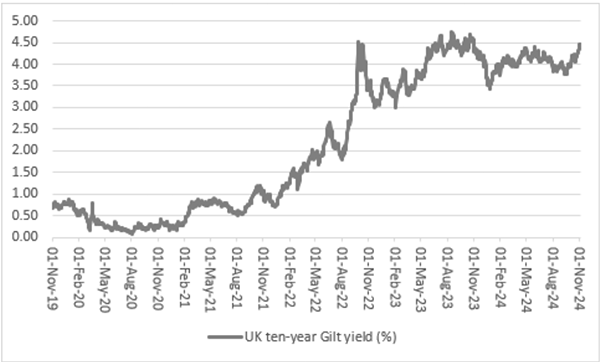
Why Bond Markets Are Not the Enemy of Governments
Bond markets are not the enemy of governments. They are the trustees of other people's futures, and they are asking one question that too many policy teams are failing to answer.

The gap between geopolitical intelligence and investment decisions.
Most investors understand the world is more volatile. The briefings arrive. The risk reports land. The geopolitical picture, multipolarity, fragmentation, the erosion of the rules-based order, is broadly understood. But understanding the risk and being architecturally ready to act on it are two very different things. This piece makes the case for what is missing.

Why AI Needs Human Strategists Now
AI is transforming consulting, but leaders still need human judgment and expertise. This is why strategists skilled in perception, reputation, and trust are essential to harness AI that builds confidence that drives growth.

Delaware Governance Under Threat: Global Impact
Delaware’s proposals to limit shareholder recourse are prompting concerns among global investors and business leaders, who fear a rollback of corporate transparency. By actively lobbying for robust governance, enhancing internal oversight, and advocating for accurate economic metrics, stakeholders can protect trust and long-term market confidence.