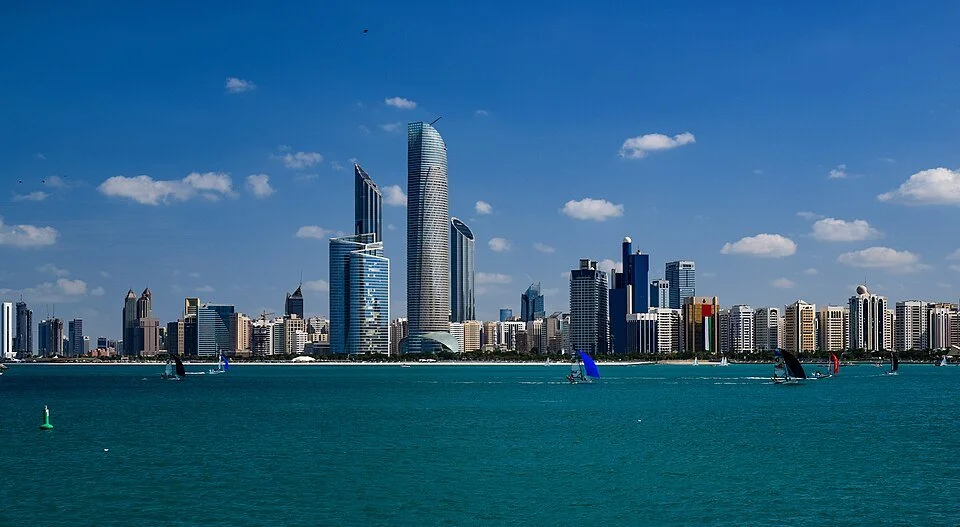
Why Sovereign Wealth Funds Are Becoming GPs
Sovereign wealth funds are quietly building their own asset-management platforms. They are becoming the GPs they used to fund, not just the LPs behind them. What is the impact of this move?

AI and Reputation: Today's Biggest Geopolitical Risks?
Geopolitics, AI and governance are rewriting the rules of trust. Here's what new data from the 2026 Oxford University’s GlobeScan Global Corporate survey says, and why it matters to you.
Anthropic's Fable 5 Ban: The AI Sovereignty Wake-Up Call
The US just switched off Anthropic's most powerful AI models for the world. Here is what that means for every nation betting on AI for growth.

The gap between geopolitical intelligence and investment decisions.
Most investors understand the world is more volatile. The briefings arrive. The risk reports land. The geopolitical picture, multipolarity, fragmentation, the erosion of the rules-based order, is broadly understood. But understanding the risk and being architecturally ready to act on it are two very different things. This piece makes the case for what is missing.
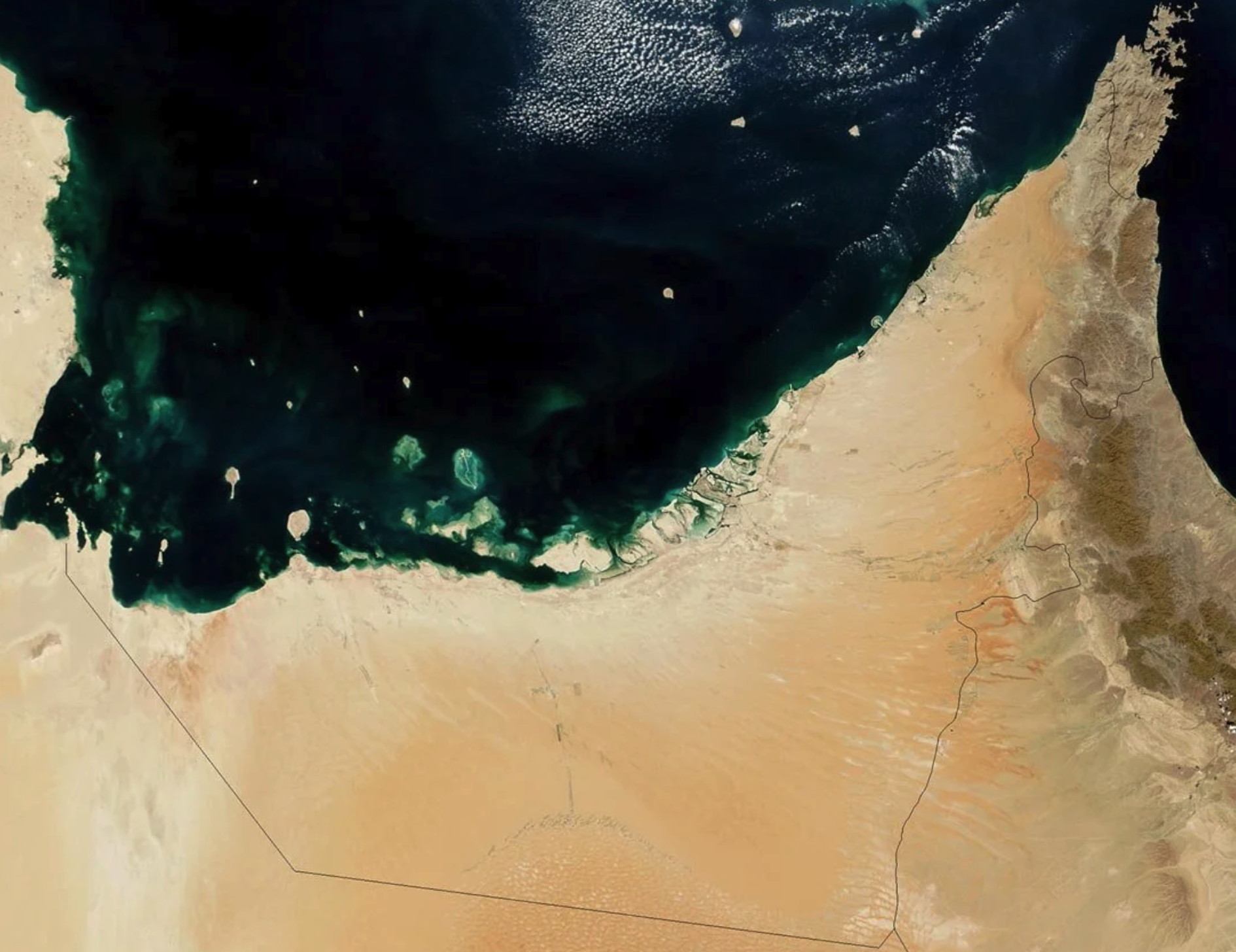
Hormuz Is Closed. Where Is the Safe Haven for Capital?
The largest oil supply disruption in history is not just an energy story. It is a trust story. And trust decides where capital goes next.
Geopolitics, Trust and the 2026 Strategy Test
Six signals for 2026 that leaders in government, technology and investment should act on now. A strategic view of geopolitics, trust and reputation as operating constraints.

Are We Pricing Tech Ambition or Inflating a Bubble?
Tech IPO valuations are soaring as SpaceX, OpenAI and Anthropic reshape markets. We need to think whether ambition, narrative and AI hype are driving sustainable value or a growing bubble.
The Geopolitics Shift Boards Cannot Ignore
The 2025 US National Security Strategy marks a break from liberal globalisation. Supply-chain control and strategic competition are now board-level priorities. What this means for investors and executives.

Why Soft Power is Vital In a Multipolar World
What soft power is, how countries use it to shape diplomacy, trade and investment, and why it still matters in a more contested, multipolar world. The Foreign Policy Centre has just released its latest report outlining a way forward for the UK Government to develop soft power.