
AI and Reputation: Today's Biggest Geopolitical Risks?
Geopolitics, AI and governance are rewriting the rules of trust. Here's what new data from the 2026 Oxford University’s GlobeScan Global Corporate survey says, and why it matters to you.

Why AI Companies Are Losing the Trust War
Two landmark global studies published this month reveal something the AI industry is not yet ready to hear. Public trust in AI is falling in the markets that matter most, and the information environment through which people form their opinions about it is in crisis. This is not a communications problem. It is a strategic one. Julio Romo draws on data from the Ipsos AI Monitor 2026 and the Reuters Institute Digital News Report 2026 to examine what the signals mean for AI companies, governments, and investors, and why tactical communications is making the trust deficit worse, not better.
Geopolitics, Trust and the 2026 Strategy Test
Six signals for 2026 that leaders in government, technology and investment should act on now. A strategic view of geopolitics, trust and reputation as operating constraints.

Perugia Journalism Insights: 2025 Trends for Business Leaders
The 2025 Perugia Journalism Festival wasn’t just about media—it was a wake-up call for global leaders. From AI disruption to collapsing public trust, the challenges facing journalism mirror those in business and government. Here’s what leaders need to know to stay credible, connected, and ahead.

Media Literacy in the AI Era: Protecting Trust, Reputation
In a House of Lords inquiry, Dr Mhairi Aitken (Alan Turing Institute) and Professor Sander van der Linden (University of Cambridge) warned that AI-driven misinformation—seen by 40% of UK adults—undermines trust and reputation. They called for leaders to strengthen regulation, media literacy, and partnerships with tech platforms to uphold credibility.

Corporate Misinformation: How Elon Musk Targetted Verizon
In an era where misinformation spreads faster than facts, companies must be prepared to defend their reputation against targeted attacks—especially when they come from high-profile individuals with vast online influence. The recent controversy involving Elon Musk and Verizon’s $2.4 billion FAA contract is an example of how social media can be weaponised to undermine competitors. Musk’s comments on X (formerly Twitter) not only questioned Verizon’s technology but also influenced public perception, investor confidence, and even regulatory discussions.
This blog explores how corporate misinformation can harm corporate reputation, what businesses can learn from Verizon’s situation, and a structured approach to protecting public and stakeholder trust in the face of digital disinformation.

How to Rebuild Trust: Lessons from Edelman’s Trust Barometer 2025
The 2025 Edelman Trust Barometer reveals a world grappling with distrust and grievance. Business leads as the most trusted institution globally at 62%, but growing concerns over misinformation, economic inequality, and institutional inaction threaten this fragile confidence. To rebuild trust, leaders must prioritise transparency, address societal grievances, and invest in workforce development and ethical practices. Trust is no longer a passive asset but an active strategy for sustainable growth and reputational resilience.

By ending content fact-checking, Zuckerberg has increased the reputation risk for companies advertising on Facebook and Instagram
Mark Zuckerberg is ending fact-checking and content on Meta’s platforms, aligning his company with the values of the incoming Trump administration. This move increases the reputational risk to US and global companies that want to advertise on Facebook and Instagram. His view of freedom of speech has a price, will it be worth it?
Navigating the Social Media Landscape in 2025: Audiences Are Retreating Into Siloes
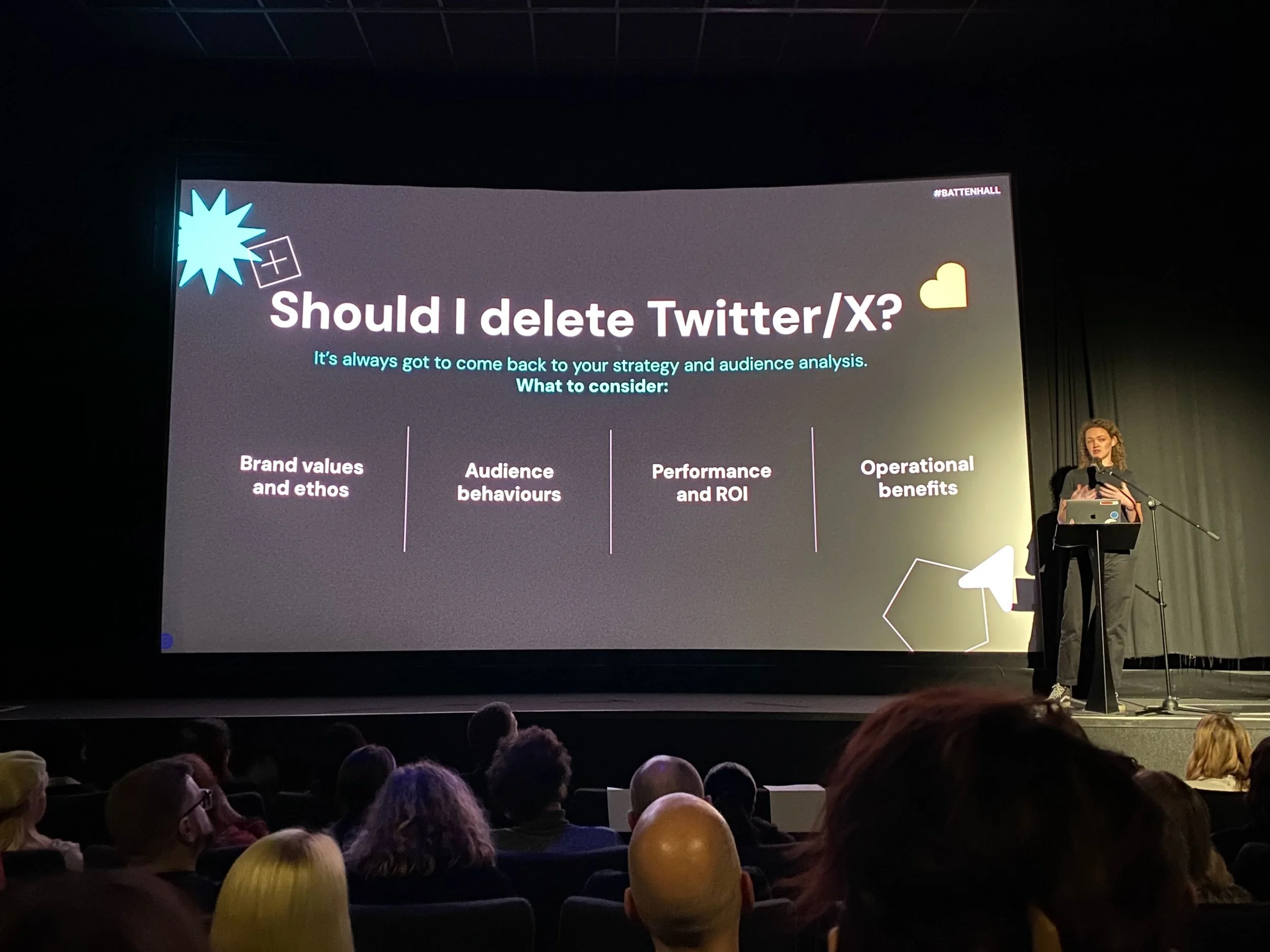
Battenhall released its 2025 ‘The Year Ahead In Social’ report, which highlighted the rise in ‘dark social’ as a channel that people continue to move towards in a hyper-polarised environment. People want relevance and authenticity from brands that engage with them. Going siloed is becoming a trend.