

Is AI's Efficiency Story Hiding an Adoption Gap?
AI spending keeps rising, but adoption hasn't followed. See the data behind the efficiency narrative, and why it's building a trust crisis for boards
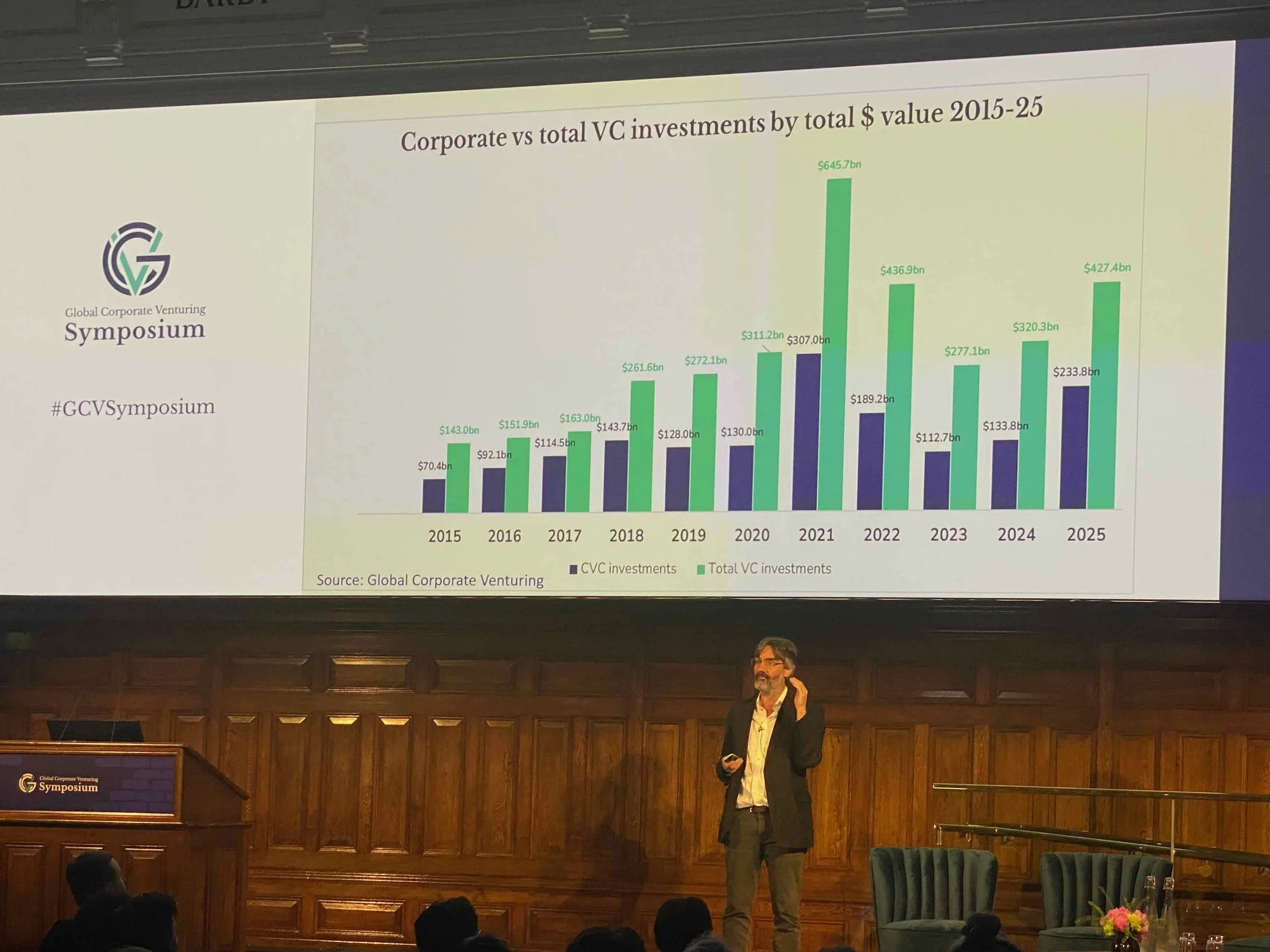
Corporate Venture Capital: The Human Innovation Gap
Two days at the Global Corporate Venturing Symposium in London confirmed something I have believed for years: the biggest barrier to innovation in investment, defence, and deep tech is not the technology. It is the risk-averse culture inside the institutions that should be accelerating it. Here is what the signals said, and why it matters now.

Why AI Companies Are Losing the Trust War
Two landmark global studies published this month reveal something the AI industry is not yet ready to hear. Public trust in AI is falling in the markets that matter most, and the information environment through which people form their opinions about it is in crisis. This is not a communications problem. It is a strategic one. Julio Romo draws on data from the Ipsos AI Monitor 2026 and the Reuters Institute Digital News Report 2026 to examine what the signals mean for AI companies, governments, and investors, and why tactical communications is making the trust deficit worse, not better.
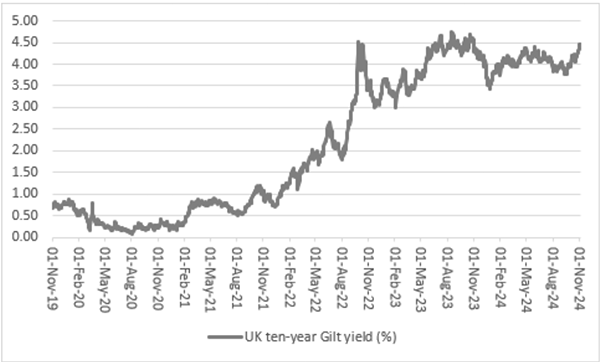
Why Bond Markets Are Not the Enemy of Governments
Bond markets are not the enemy of governments. They are the trustees of other people's futures, and they are asking one question that too many policy teams are failing to answer.

The Real Cost and Risk of Replacing Humans with AI
AI adoption is accelerating. So is the reputational and governance risk for organisations moving faster than the evidence supports

Why Media for Equity Is Going Global, and Why Now
Every startup needs advertising, marketing and promotion to grow. Media for equity is the instrument that lets founders buy reach without losing the cap table. Here is why it is going global, and why now.

JPM Healthcare 2026: Signals Leaders Must Read
JPM Healthcare 2026 is no longer just about deals. It is a signal-setting moment where life sciences, AI, geopolitics and capital converge. What leaders need to understand.

Sorrell Is Wrong: Reputation Matters More Than Reach
Sir Martin Sorrell is wrong. Reputation is not built through volume and reach — it is built through trust, judgement and behaviour over time. The argument that leadership communications needs.

Are We Pricing Tech Ambition or Inflating a Bubble?
Tech IPO valuations are soaring as SpaceX, OpenAI and Anthropic reshape markets. We need to think whether ambition, narrative and AI hype are driving sustainable value or a growing bubble.