Geopolitics, Trust and the 2026 Strategy Test
Six signals for 2026 that leaders in government, technology and investment should act on now. A strategic view of geopolitics, trust and reputation as operating constraints.
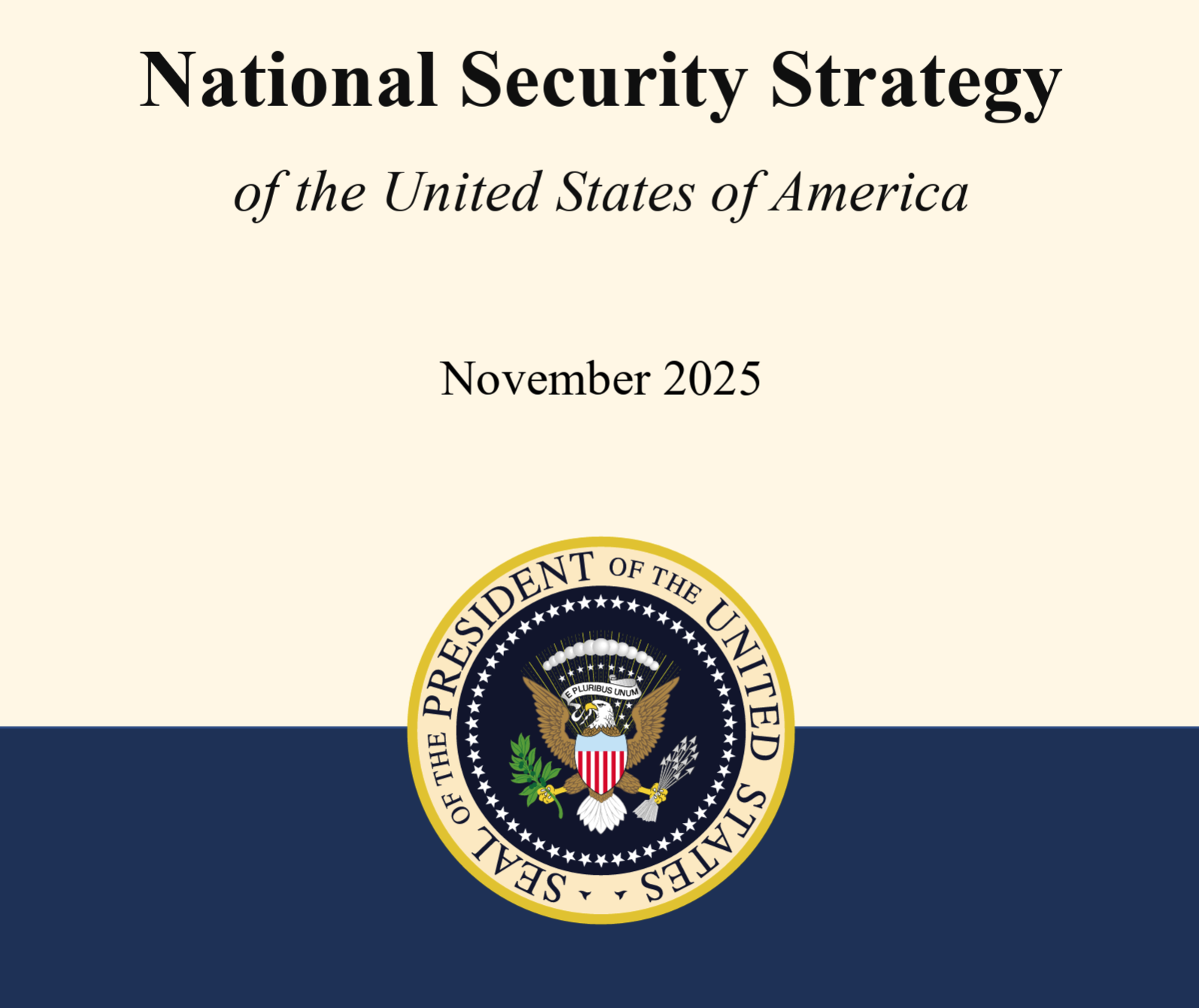
The Geopolitics Shift Boards Cannot Ignore
The 2025 US National Security Strategy marks a break from liberal globalisation. Supply-chain control and strategic competition are now board-level priorities. What this means for investors and executives.

Corporate Diplomacy: The New Global Power Shift
In today’s multipolar world, diplomacy is no longer the sole domain of governments. Multinational corporations are stepping into roles once reserved for diplomats, navigating geopolitical risks, engaging regulators, and shaping public policy. Corporate diplomacy is now essential for business diplomacy and resilience, reputation, and global growth.

How Governments Can Influence in a Multipolar World?
The Trump administration's 'America First' strategy is creating global instability. This approach could backfire and hinder the US. In this blog post, I'll explore how governments and businesses can navigate this new world of trade and policy. I'll analyze the impact of controversial trade policies and offer strategic advice for international governments, US and multinational corporations, and investors.

Navigating Geopolitical Risks: Strategic Communications in Turbulent Times
The risk register is flashing red. With Donald Trump’s threatened tariffs destabilising global trade, businesses and investors face heightened uncertainty. Strategic communications professionals must now act as navigators, mitigating risk through scenario planning, government engagement, and crisis messaging to protect reputations and ensure stability.

Why Multilingualism is Key to Business Success in a Globalised Yet Fragmented World
As the world changes into a multipolar world, countries like China are losing interest in English as a foreign language. This will force Western companies to learn, trade and do business in local languages. Their reputations will be built or broken based on how they adapt to local culture and how consumers relate to their brand and values.

The Return of 'America First': How to Communicate Strategic Re-Alignment To Trump’s Business Protectionist Policies?
The US has elected Donald J Trump as it’s 47th President in a bitterly fought election. His policies and control of the Senate are likely to re-shape how America works, lives and influences the world. Businesses now have to re-align their strategies and communications in order to trade in the world’s biggest market. Here are five strategy and strategic communications recommendations to help businesses minimise the incoming risk.
The Importance of International Cultural Intelligence in Global Strategic Communications
With trade barriers and protectionism increasing, understanding different international cultures will become an essential skill set for strategists, communicators and advisors..
The Implications Of The EU's AI Act and The Future.
The EU has moved first with with EU AI Act. Where next for innovation and growth, and what are the impacts for companies, countries and other trading blocs?