
How Como 1907's Playbook is Building A Global Brand
Como 1907's Cesc Fabregas and Mirwan Suwarso talked to The Athletic's James Horncastle at SXSW London 2025 on building a global brand from a football club on Lake Como to a luxury brand that can cross borders and is built on Cesc’s, Como’s and Italian values.

Yesterday at SXSW London we learnt about the rise of Como 1907, which isn’t just a club being built about great football led by former Arsenal and Barcelona legend Cesc Fabregas. It’s a story about football being used to create a global brand that fuses innovation, data, and identity with the emotional power of football, and local Italian community values.
For years and thanks to George Clooney, Lake Como has become known for luxury and beautiful mountain scenery, not league tables. Yet nestled in this iconic setting is one of the most ambitious projects in modern football. Under the leadership of Mirwan Suwarso and Head Coach Cesc Fàbregas, Como 1907 is turning what was a bankrupt fourth-tier Italian football club into a global brand with ambitions that stretch far beyond Serie A.
From Collapse to Credibility
When Suwarso and his Indonesian consortium, led by the Indonesian Hartono brothers, Robert Budi Hartono and Michael Bambang Hartono, took over Como 1907, the club had endured three bankruptcies in a decade. Trust was non-existent. "They didn’t want to work with us," Suwarso admits at the talk at Shoreditch Town Hall in London. The strategy began not with players, but people. The club paid for local COVID-19 vaccinations, revitalised shopfronts, and restored trust through grassroots economic initiatives. Retail partnerships alone jumped from under 200 when they arrived to nearly 500 in just 18 months.
Yet, Suwarso knew that to create a global brand, football was the hook that crossed international boundaries, which is why, despite the off-pitch innovation, the philosophy was crystal clear: football drives everything. "If you don't get it right on the pitch, you're just a fourth-division side," Suwarso said. Promotion to Serie B was the first step. With Fàbregas at the helm, the team plays with an attacking identity rooted in belief, structure, and tempo.
"If I lose, I want to lose on my terms," Fàbregas says. That means leading with vision, style, and conviction. The footballing product becomes not just a performance, but the nucleus of a brand.
Lake Como as a Football Brand
But this isn’t just about winning matches. Como 1907 is working to redefine what a football club can be, and now in Serie A, it has extra exposure to do just that.
Lake Como With nearly five million tourists visiting Lake Como each year, Suwarso sees an opportunity to make Como 1907 a "premium soccer tourism destination."
Look back at the early 1990s, and Lake Como received around 500,000 tourists each year. The number rose after George Clooney arrived in 2002, attracting over 1.3 million visitors in and around 2018, around the time Como 1907 was purchased, and due to the Global Expo that took place in Milan. Lifestyle campaigns associated with the club, as well as social media influencers, then pushed that number to a record high of five missions, confirming the vision and strategy adopted by Sarwaso and the club's owners.
For Como 1907, Football is the entry point to a curated lifestyle brand that includes lakefront villas for VIP matchday experiences and is repurposing them into 365-day hospitality offerings, including restaurants, clubs, and branded experiences.
To take the story to the world, the club has some locked in values from Cesc’s football career, together with Italian values that sell so well around the world and focus on famiglia, artigianalità, bellezza and dolce vita.
Data-Led Decisions, Human-Centred Strategy
While the vision is romantic, the execution is rigorous, with a focus on innovation that does not forget local or national heritage.
The club has invested heavily in data and analytics. On the football side, critical in building a global brand, recruitment blends instinct and information, identifying undervalued talent across Europe and giving them a platform to grow.
"We believe in data," says Fàbregas. But, unlike many clubs that lean into cold metrics, Como 1907 uses data to inform a broader emotional and cultural fit. Players aren't just signed for ability, they buy into the vision.
And with the experience of Suwarso in branding and the digital economy, he and his team looked at solutions where there were blockers. As an example, Italy’s ticketing systems for football games are notoriously opaque. Como saw this problem and built their own blockchain-powered platform. By minting NFTs tied to ticket issuance, they allow tourists to plan match attendance months in advance, solving a problem that conventional systems can’t.
This also combats touting, enhances security, and creates new value layers for fans. Forty percent of Como’s ticketing revenue now comes from international visitors.
The Brand Ecosystem: Beyond the Pitch
Como 1907 isn’t just a football club, it’s a multi-sector brand. The club has launched subsidiaries in:
Fashion: Branded apparel and lifestyle lines
Media: Storytelling and content creation
Craft Beer: Brewed with local Como silk
Education: A football academy for U.S. students
Each venture reinforces the core identity: premium, place-based, and emotionally resonant. It sells values and perceptions to the world. And that is built on having a strategic vision that the investors buy into financially.
Suwarso knew that there was going to be pushback when he arrived, which is why he published his personal email and responded directly to fan complaints. When fans demanded new paint at the stadium, they volunteered to do it themselves. That blend of humility and ambition sets Como apart. All set against local community values that people in Como and around the world can relate to.
A Model for Modern Football Leadership
What Como 1907 is building matters for football executives, marketers, and brand strategists. It offers a real-world template for:
Scaling legacy institutions with global potential
Integrating tourism, data, and sport
Operating with agility despite regulatory drag
Treating clubs as cultural products, not just teams
With a world-famous coach at Como (yes, the question about the rumours of a move to Inter was asked!), an iconic location, and a willingness to innovate on every level, Como 1907 is showing how the next generation of clubs can think beyond the pitch and win.
This isn’t football as usual. This is football as a future, where their associated brands can grow and deliver growth based on the values of Como the club, Como the region and Italy.
Why Family Offices Are The Hidden Architects of Innovation
At SFO Week 2025, it became clear that single family offices are more than capital providers—they’re strategic builders of innovation, trust, and long-term growth. From deeptech to university spinouts, family offices are shaping the future of investment with purpose and conviction.
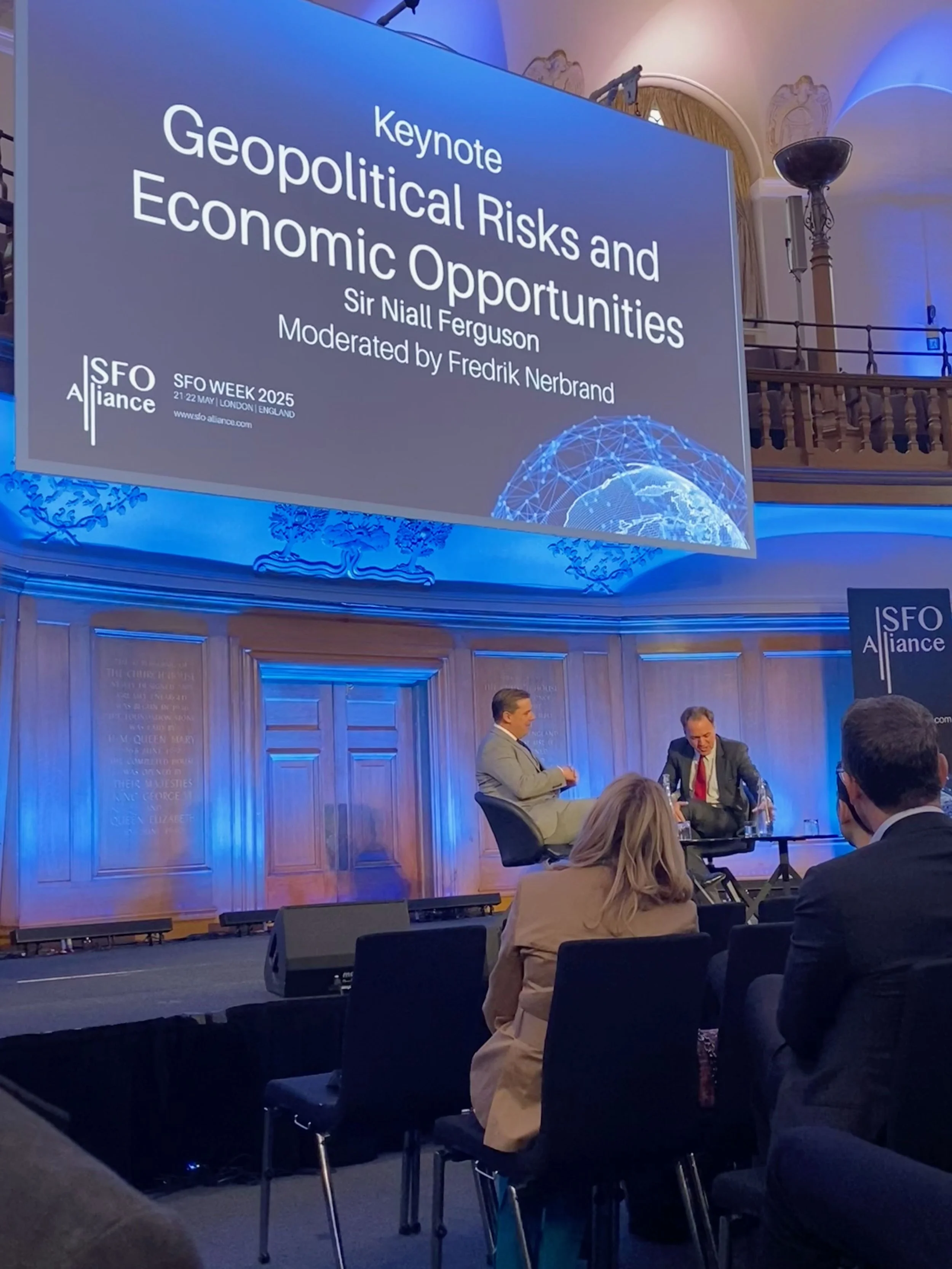
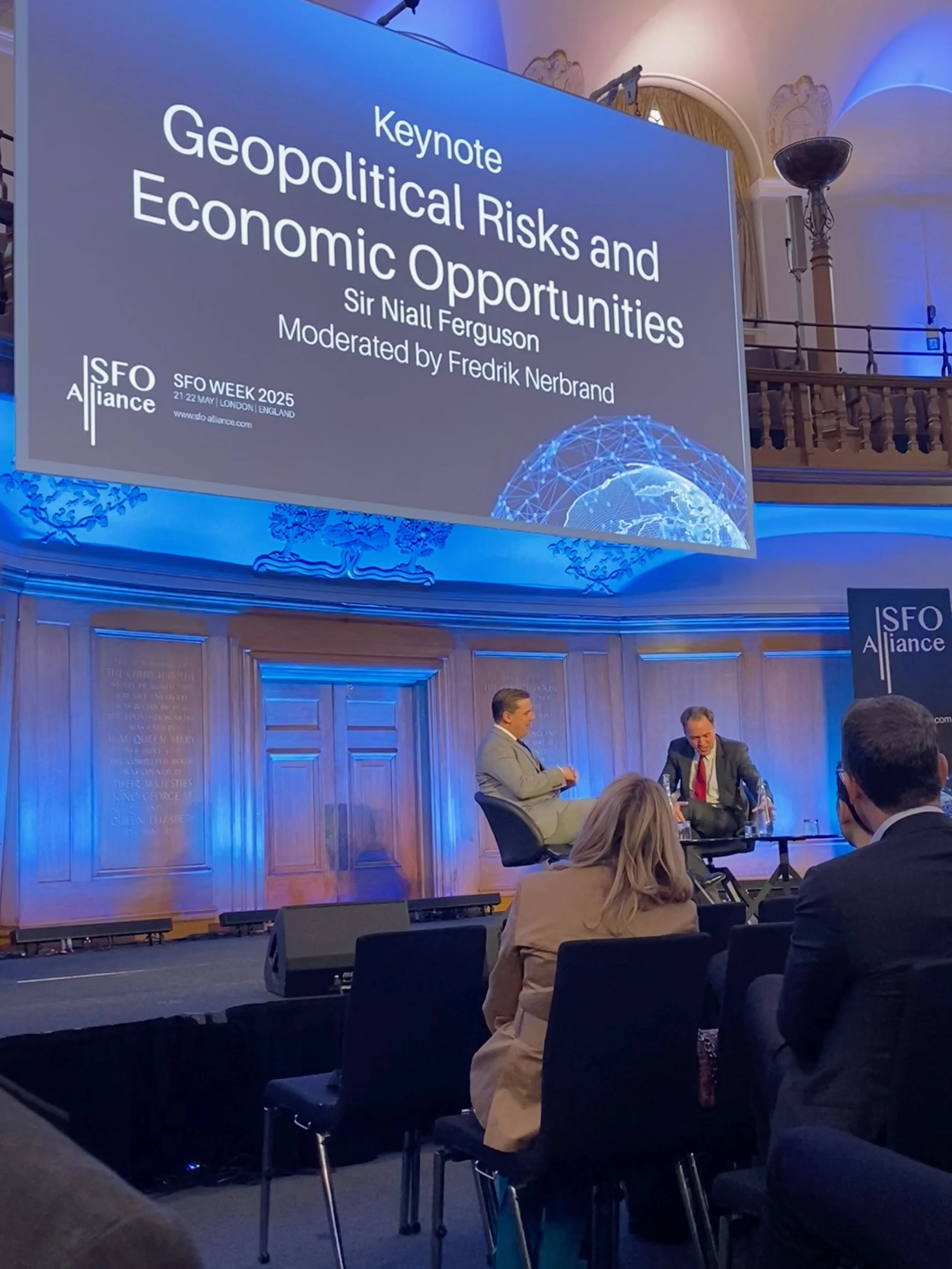
Last week, I had the privilege of again attending SFO Week 2025, where family offices, innovators and advisers came together to discuss the future.
A huge congratulations to the Single Family Office Alliance (SFO Alliance) for bringing together such an influential community of investors. In an era marked by geopolitical uncertainty, transformative technology, and generational change, bringing principals, advisors, and investors together in one space has never been more timely.
This year’s sessions surfaced powerful insights into the unique and growing role that single-family offices (SFOs) play in shaping the future of innovation, enterprise, and economic resilience.
From university spinouts to deeptech ventures, and from next-gen brand building to concentrated thematic portfolios, family offices are quietly assuming a role that traditional capital often cannot fulfil: that of patient, values-aligned, globally minded investors. VCs get the headlines, but VCs engage with family offices to secure capital and investment into their own funds.
And yet, the path is not without its challenges. SFOs must navigate macro risks, manage multigenerational expectations, and protect their legacy and reputation, all while unlocking capital for the next wave of innovators.
Innovation as a Strategic Imperative
The conversations across SFO Week clarified that innovation is no longer an opportunistic add-on to wealth management strategies. It is central to a family office’s long-term vision. Sessions such as “University Spin-Outs” and “Deeptech” revealed how SFOs are leaning into research-driven and science-based ventures that may take a decade or more to deliver returns but offer asymmetric upside and societal value.
Family offices are increasingly unbound by fund cycles and institutional reporting demands, unlike traditional VCs. This enables them to support early-stage founders, back university tech transfer efforts, and offer capital and long-term strategic alignment.
However, unlocking this innovation isn’t without its barriers. From the inconsistent spin-out terms that founders face at universities to the often-siloed approach between researchers and commercial stakeholders, there is a clear need for trusted, informed guidance and advisory. This is particularly important in sectors like artificial intelligence, semiconductors, and biotech, where national interest, regulation, and intellectual property cross paths.
The Role of Perception and Reputation
What became evident to me during the sessions is that reputation, trust, and perception are, at the same time, no longer intangibles. They are investment-critical. As one speaker noted in the session on family office structures, “reputation is an asset class in itself.”
In the world of spin-outs, for example, the perceived success of a university in supporting commercialisation directly affects its ability to attract world-class researchers and future investment. Similarly, founders choose backers based not just on capital, but on alignment, purpose, and perceived trustworthiness.
This is especially true in global innovation ecosystems. Family offices recognised as mission-driven, supportive, and discreet can unlock opportunities in highly regulated or sensitive sectors, from quantum computing to next-generation energy, in markets like Japan and Southeast Asia, where cultural fluency and stakeholder engagement matter as much as balance sheets, family offices with a thoughtful public and private reputation are significantly advantaged.
Navigating Geopolitics and Geoeconomics
The geopolitical backdrop to innovation investment cannot be ignored. In a wide-ranging discussion on global power dynamics, several sessions explored the re-emergence of multipolar tensions, especially between the US and China. And yes, we were told, rightly so, that we are witnessing and living through a second Cold War, one shaped not by nuclear weapons but by semiconductors, trade routes, and information warfare.
In this environment, capital is not neutral. In fact, in this environment, capital seeks safer jurisdictions. Family offices are thinking ahead, balancing opportunity with their exposure to risk, and diversifying their footprints.
This is where strategic clarity matters, not just to them, but to the innovators that benefit from their investment. Family offices investing in cross-border ventures must anticipate financial volatility and reputational and political exposure. This includes understanding where their capital flows, who their partners are, and how the geopolitical perceptions of their home country may influence dealmaking abroad.
Intergenerational Change and Next-Gen Purpose
The generational shift within family offices was another core theme that emerged. Sessions that discussed how younger family members are reshaping portfolios to reflect new technologies and values. They build brands, businesses, and investment theses around sustainability, health, inclusion, and purpose.
But with this ambition comes a need for deeper business support. Next-gens often face structural or governance hurdles in deploying capital or creating alignment between legacy strategies and future vision. They require mentorship, ecosystem access, and strategic storytelling to articulate and legitimise their initiatives, both within the family and in public view.
This is an important area for family offices to reflect on. Enabling the next generation to lead doesn’t just protect continuity. It creates relevance in an era where values and visibility matter; relevance and perception can be differentiators.
Focused Portfolios, Deep Conviction
The session on building a concentrated portfolio highlighted the conviction-led strategies that many family offices are now pursuing. Rather than chasing index-matching diversification, these offices go deep in areas they understand, from climate tech to fintech to life sciences.
With this focused approach comes both opportunity and risk. Without the cushion of broad diversification, reputation and access become even more critical. Whether backing a promising founder or securing a regulatory green light, family offices rely on their networks, brand, and ability to show up as committed, long-term partners.
This is also where alignment with policy and public interest plays a role. As government funding tightens and public trust in institutions fluctuates, family offices can become anchor investors in innovation ecosystems, but only if they are seen as constructive, patient, and strategically aligned.
From Capital to Capability
Across SFO Week, one theme resonated: single-family offices are evolving from passive wealth stewards to active system-builders. They are deploying capital with conviction, but also with conscience. They are seeking returns, but also relevance. And they recognise that the world of accelerating complexity, perception, positioning, and purpose is as vital as portfolio performance.
In many ways, family offices are uniquely positioned. They have the time horizon, the discretion, and the autonomy to take bold, long-view positions. But to fully realise their influence, they must invest not just in companies, but in capability, reputation, and strategy.
As the discussions at SFO Week 2025 revealed, those family offices that understand the power of aligned capital, narrative trust, and cross-border fluency will not only support the future of innovation. They will shape it.
And it’s worth remembering that it isn’t just start-ups and innovators that are looking for the support of family offices. It is also governments that are making this an international battle for capital that helps countries grow!

Why Economic Diplomacy Is a CEO Power Move
Economic diplomacy is reshaping global business. Leaders who align with national strategies and engage at the intersection of policy and profit are gaining a competitive edge. Here’s how strategic insight drives access, resilience, and long-term growth.

Economic Diplomacy Is Now Business Strategy
Economic diplomacy is no longer a side theme in foreign affairs—it’s a frontline business strategy. In a world where markets, politics, and technology collide, the ability to engage at the intersection of public and private power has become a defining edge for companies and investors.
The recent Saudi-U.S. Investment Summit demonstrated this shift in action. With high-profile participants like Elon Musk (Tesla/SpaceX), Larry Fink (BlackRock), and Jane Fraser (Citi), the summit was more than a showcase of commercial opportunity. It revealed a new model of influence, where economic alignment with national agendas creates access, capital, and credibility.
And the roadshow didn’t return to the US after Saudi. Instead, what it did is continue tp Qatar and Abu Dhabi in the UAE to meet and agree more financial support.
Redrawing Global Influence Through Economic Diplomacy
Economic diplomacy blends corporate strategy with geopolitical leverage. It is not about deal brokering alone, but shaping environments where investment decisions carry strategic and reputational weight.
As Gillian Tett wrote in the Financial Times, this era of "geoeconomics" sees nations using economic tools as power plays. Today, when the U.S. sends delegations abroad, it includes not just diplomats but CEOs from Amazon, Blackstone, NVIDIA, and more. These aren’t ceremonial attendees. They are instruments of influence.
Governments now deploy corporations as extensions of foreign policy. Business and diplomacy are no longer parallel tracks, they are one strategic lane.
Taking Brand America and Trump on Tour
With US President Trump leading the way and happy to be engaging with leaders in the Gulf - Saudi Arabia, Qatar and the UAE.
While that wasn’t a surprise, what was was the delegation of US Leaders that went with him and secured direct access to decision-makers in the region.
US companies engaged and secured investment and headlines in a region where Trump’s brand is highly regarded.
Saudi - US Investment Forum 2025
The Saudi-U.S. Investment Forum was a high-stakes convergence of political ambition and private sector firepower. It aligned with Saudi Arabia’s Vision 2030, a $3 trillion roadmap to diversify its economy beyond oil.
Participating firms, OpenAI, Google, Boeing, Halliburton, Citicorp, Schlumberger, were not there for visibility. They were aligning with a national transformation agenda. And in return, they gained preferential access to one of the most capital-intensive markets in the world.
The U.S. government committed $600 billion in new investments, including a record-breaking $142 billion defence deal and $80 billion in joint ventures with tech giants. Google, Oracle, AMD, and Salesforce anchored infrastructure and AI projects, while Boeing closed a $4.8 billion aircraft sale. Aramco signed energy agreements with NextDecade and Sempra.
This wasn’t just deal-making. It was strategic positioning.
Qatar Investment
Following the visit to Saudi Arabia, Donald Trump moved on to Qatar, where he announced a $1.2 trillion economic exchange agreement, including a $96 billion Boeing deal with Qatar Airways and a $10 billion investment in the Al Udeid Air Base.
UAE Investment
In Abu Dhabi, the UAE committed to a $1.4 trillion, 10-year investment framework in the U.S., spanning energy, AI, and manufacturing sectors. Additionally, agreements were made to establish a 5GW-capacity AI data centre in Abu Dhabi and facilitate the UAE’s purchase of advanced AI semiconductors from American companies, announcements that were warmly received by American tech companies.
It’s also worth remembering that not that long ago, the UAE with its various investment funds and Sovereign Wealth Funds went to the US and secured meetings with senior leaders of America’s tech sector. As I wrote before, this highlighting how flexing economic might get’s you attention.
Global Models That Validate the Strategy
Economic diplomacy is not a new concept, but it is now a primary play. The Riyadh event fits into a wider pattern:
China’s Belt and Road Initiative: Over $1 trillion invested across 140+ countries, expanding China’s reach through companies like Huawei and Sinopec.
Germany’s Mittelstand: Government-backed trade missions have enabled SMEs to dominate global industrial niches, accounting for 52% of national GDP in 2024.
India’s Digital Public Infrastructure: Platforms like Aadhaar and UPI have become tools of influence across Africa and Southeast Asia.
The Strategic Mandate for Businesses
Economic diplomacy rewards those who think long-term and align deeply with host-country priorities. It is not about market entry; it’s about influence entry.
Align with National Priorities
Vision 2030 has made Saudi Arabia a magnet for companies aligned with its digital, defence, and green energy goals:
AI and Tech: OpenAI and NVIDIA’s involvement aligns with the kingdom’s ambition to lead in artificial intelligence.
Energy Transition: Schlumberger and Baker Hughes are positioning for leadership in green hydrogen and low-carbon solutions.
Strategic alignment translates into fast-tracked approvals, co-investment from state actors, and insulation from market shocks.
Protect Reputation in High-Exposure Markets
Deals in geopolitically sensitive regions carry reputational risk. As Ray Dalio put it at Davos 2025: “Investors now scrutinise ESG compliance as fiercely as ROI.”
Transparency, governance, and ESG compliance are now boardroom imperatives—not optional add-ons. Companies must be prepared for scrutiny from shareholders, regulators, media, and civil society.
Strategic Advisers: From Optional to Essential
The role of geopolitical advisers is no longer advisory—it’s operational. They provide foresight, access, and protection across volatile, high-value environments.
What Strategic Advisers Deliver:
Geopolitical Intelligence: Track policy shifts, alliances, and regulatory movements that shape market access.
Diplomatic Access: Open doors to decision-makers, regulators, and sovereign investors.
Crisis Planning: Build systems to respond to sanctions, protests, or sudden reputational threats.
Strategic Fit: Ensure your market positioning supports the national narrative and policy agenda.
Why Demand Is Rising
In a 2025 survey by Adams Street Partners, over 80% of institutional investors said geopolitical factors directly influence capital allocation. This is now a board-level issue.
EY’s 2025 CEO Outlook Pulse shows many global CEOs are adjusting strategies, moving supply chains, and reassessing market exposures. BlackRock’s Geopolitical Risk Indicator reflects sustained market sensitivity to global political dynamics, from U.S.–China tensions to energy regulation.
Turning Insight into Advantage
The value of advisers lies in execution:
Risk Assessment: Identify deal-breakers before they happen.
Stakeholder Mapping: Build coalitions with policymakers, local industry, and NGOs.
Scenario Planning: Anticipate disruptions and craft response strategies.
Opportunity Identification: Pinpoint where your value proposition intersects with national ambition.
This is no longer risk management—it’s competitive intelligence.
Lead or Follow in the Age of Economic Diplomacy
The rules of global business have changed. Influence, access, and resilience now depend on your ability to navigate and contribute to economic diplomacy.
This isn’t just a risk space, it’s a growth space.
Companies that align strategically with national goals, while maintaining ESG discipline, will lead the next chapter of global expansion. And those with the right advisers will get there faster, safer, and stronger.
As Larry Fink put it: “The companies that thrive will be those that treat geopolitical strategy as core to their operational DNA.”
I advise a wide range of organisations, including governments and investors on how to position themselves and sharpen messaging, and build resilient reputational capital that supports long-term value creation and stakeholder trust.
If you’re looking to modernise your communications team so that it is ready to tackle the growing threat of deepfakes and reputation challenging issues then, I would welcome a conversation.
To stay informed, subscribe to my LinkedIn newsletter, Reputation Matters, where I share insight and practical guidance at the intersection of investment, innovation, and trust.
Please feel free to connect or share this with your network, who may benefit. To my LinkedIn Reputation Matters newsletter. Or connect with me on LinkedIn.

Why Trust and Reputation Drive Growth and Investment
Trust is no longer a soft value, it’s a strategic driver of profit, growth, and resilience. As global trust declines, businesses must act to rebuild and protect it to build back profitability.

Just yesterday, a Financial Times TikTok video came through my timeline where Markets Columnist Katie Martin and US Financial Commentator Robert Armstrong talked about Warren Buffett.
Right at the beginning of the post, Katie comments on how Buffett looks at good companies for a good price, before Robert adds that he also looks for “a management team that I trust.” Just that one word, Trust, unlocks attention. Everything there is about trust.
Today, we are living in a volatile and information-rich environment where trust has emerged as a critical asset underpinning reputation, enabling investment, and fueling long-term growth. On the subject of trust, Warren Buffett also said the following when he and his team are looking at investments:
“We’re looking for three things when we hire people or invest in companies: intelligence, energy, and integrity. And if they don’t have the last one, don’t bother with the first two.”
Buffett’s perspective is not just philosophical one, it serves as a strategic lens through which investors and stakeholders assess organisations before deploying capital, especially at scale.
Yet, the concept of trust amongst leaders is often misunderstood. It’s seen as a tactical asset that is built and managed at a tactical rather than at a strategic level, even though what decision-makers and senior stakehodlers seek is assurance that an organisation and it’s leadership have the capability and trustworthiness to lead, execute their vision, report transparently, and act with integrity amidst uncertainty.
Reputation as a Strategic Asset
Trust is the foundation upon which businesses build relationships with employees, customers, investors, and regulators. In 2025, 93% of business executives agree that trust directly improves profitability, while 94% reported facing challenges in maintaining it, a sharp increase from 2023. This dichotomy highlights a critical gap: organisations recognise trust’s value but struggle to operationalise it.
Consider the consequences of failing to bridge this gap:
42% of executives cite customer disengagement as a top risk when trust erodes, while 38% highlight profitability declines.
Trust is not a static metric but a dynamic force that shapes market perceptions. For instance, the Edelman Trust Barometer 2025 reveals that 61% of the global population hold grievances against businesses and governments, with distrust correlating to reduced consumer spending and investor hesitation.
Reputation reflects how trust is perceived externally, shaping the views of investors, regulators, partners, employees, and consumers. A strong reputation reduces negotiation friction, boosts stakeholder confidence, and accelerates capital flows. Conversely, a tarnished confidence and reputation can stall deals, invite regulatory scrutiny, and increase operational costs.
The 2025 Edelman Trust Barometer also revealed a continued and significant shift towards the grievance-based society that we are experiences and which is marked by economic fears and a pervasive belief that systems are unfair and institutions aggravate these issues. This sentiment has led to election upsets in major Western democracies and criticism against business involvement in social issues. Key concerns include job loss due to automation and globalisation, stagnant wages, widening trust gaps between income brackets, and fears of discrimination.
Trust in institutions has become alarmingly low, with deep-seated grievances causing zero-sum mindsets. To counter this, the four major institutions, businesses, NGOs, government, and media, must work together to rebuild trust, deliver competent governance, and provide reliable information, fostering a sense of control and positive societal change.
The Cost of Losing Trust
Trust is arduous to build but easy to lose, and the repercussions are substantial. Warren Buffett, again, said:
"It takes 20 years to build a reputation and five minutes to ruin it. If you think about that, you'll do things differently.”
For as much as businesses today try to gain trust and manage how they are perceived, recent data shows that 7 in 10 people believe government officials, business leaders, and journalists deliberately mislead them by saying things they know are false or gross exaggerations. This erosion of trust among traditionally reliable figures underscores the fragility of institutional credibility.
And real-world examples abound:
Wirecard: The collapse of this fintech company due to fraudulent accounting practices led to a significant loss of investor trust.
Boeing: The 737 Max crisis, which I’ve written about before, was exacerbated by communication missteps, resulting in brand erosion and financial losses.
Facebook (Meta): Privacy concerns and data breaches have led to continued regulatory scrutiny.
These instances demonstrate that when trust erodes, so does value, rapidly and often irreversibly.
Building Trust Strategically
Organisations often misconstrue trust as a by-product of good work. This is a mistake. In reality, trust must be strategically cultivated through alignment across three core pillars:
1. Strategy and Leadership Integrity
Strategic clarity and authentic, values-driven leadership enable stakeholders to align with an organisation’s mission. Leadership must consistently demonstrate alignment between words and actions.
As BlackRock CEO Larry Fink emphasised in 2022:
“Stakeholders are pushing companies to go beyond disclosure and demonstrate how they are living their purpose.”
Leaders must integrate reputation and trust into strategy development, extending beyond public relations and investor relations.
2. Culture and Internal Communication
Trust originates within the organisation. Employees serve as the first line of reputation. A culture rooted in transparency, empowerment, and ethical decision-making projects outward. If there is a negative culture at the top, then that will permeate throughout the organisation.
McKinsey’s research indicates that companies with healthy cultures are three times more likely to achieve total shareholder return above their industry median.
This underscores the importance of systems reinforcing accountability, values, and employee voice.
3. Strategic Communications and Stakeholder Engagement
Trust is as much about communication as it is about action. Leaders who prioritise proactive, two-way stakeholder engagement outperform their peers. Strategic communications should focus on:
Listening mechanisms to inform action
Message discipline and transparency
Regular updates, especially during uncertainty
Companies excelling in this area, such as Microsoft, Patagonia, and Unilever, build ‘permission capital’ with stakeholders, earning the benefit of the doubt during crises.
Trust as a Growth Multiplier
Trust is not a cost centre but a revenue driver. Deloitte’s research shows that a 10% increase in societal trust boosts GDP growth by 0.5% annually, translating to $40+ billion for economies like Brazil. For individual firms, this manifests as:
Higher Employee Productivity: Trusted teams achieve 15–20% efficiency gains through collaboration.
Accelerated Innovation: R&D investments yield 30% higher returns in high-trust environments.
Resilient Investor Relations: Firms with strong ESG ratings attract 20% more capital inflows during downturns.
When trust is embedded, organisations experience tangible benefits:
Accelerated Decision-Making: When trust is established, investors, regulators, and partners act more swiftly.
Enhanced Valuations: Companies perceived as well-governed and ethical command premium valuations.
Crisis Resilience: Trusted companies recover more rapidly and retain customer loyalty during crises.
A Harvard Business Review study found that high-trust companies outperform low-trust ones by:
286% in total return to shareholders
76% in employee engagement
50% in productivity
These are not marginal gains; they are transformative, which many public or private organisations dream about.
A Strategic Playbook for Leaders
For C-suite leaders, board members, and senior government officials, embedding trust and reputation into organisational DNA is mission-critical. Here is a strategic playbook:
Step 1: Diagnose Your Trust Position
Conduct a comprehensive trust audit across stakeholders, internal and external. Assess perceptions of leadership, performance, communication, and purpose using tools like:
Employee surveys
Investor perception studies
Stakeholder interviews
Media and sentiment analysis
Step 2: Integrate Trust into Strategic Planning
Apply a trust lens to every strategic decision:
Are actions reinforcing or undermining trust?
Do actions align with stated values?
How do key stakeholders perceive us?
Trust considerations must be integral to strategic board-level discussions.
Step 3: Communicate Transparently and Authentically
In an era of scepticism, communications must be clear, values-driven, and responsive:
Prioritise openness and understanding, even when conveying bad news
Equip leaders to engage authentically, with empathy and humility and beyond the spreadsheet
Foster long-term relationships with media, regulators, and investors
Step 4: Prepare for Crises Proactively
Trust is tested during crises. Organisations that prepare in advance, with scenario planning, crisis response teams, and rehearsed communications, preserve reputational capital.
EY’s Global Crisis Survey indicates that organisations with crisis plans recover trust more swiftly and limit brand damage.
Step 5: Measure Reputation and Trust
Implement dashboards to monitor:
Media coverage and tone
Stakeholder trust indices
ESG ratings and performance
Social media sentiment
Employee and customer Net Promoter Scores (NPS)
What gets measured gets managed—and funded.
Trust in the Public Sector
For governments and public institutions, trust is foundational. The OECD reports that trust in government correlates with higher compliance, better service delivery, and greater societal cohesion. Without trust, policies are ignored, investments stall, and social resilience weakens. Therefore, civil service reforms, public-private partnerships, and international investment pitches must be built on credible, transparent, and strategically communicated trust.
Trust as a Strategic Imperative
We are living in an era marked by economic fears and institutional scepticism; trust and reputation are not optional but strategic imperatives. Leaders must proactively cultivate trust to unlock investment, drive growth, and build resilient organisations.
As Warren Buffett’s legacy demonstrates, trust is not just about ethics, it’s about economics.
I advise a wide range of organisations, including governments and investors on how to position themselves and sharpen messaging, and build resilient reputational capital that supports long-term value creation and stakeholder trust.
If you’re looking to modernise your communications team so that it is ready to tackle the growing threat of deepfakes and reputation challenging issues then, I would welcome a conversation.
To stay informed, subscribe to my LinkedIn newsletter, Reputation Matters, where I share insight and practical guidance at the intersection of investment, innovation, and trust.
Please feel free to connect or share this with your network who may benefit. To my LinkedIn Reputation Matters newsletter. Or connect with me on LinkedIn.

How Deepfake Scams Threaten Financial Institutions
I explore how deepfakes and generative AI pose rising threats to financial institutions, with verified case studies and strategic recommendations. It follows the deepfake of a Goldman Sachs Chief U.S. Equity Strategist, David Kostin. A must-read for business and investment leaders focused on trust, risk, reputation, and AI governance.

Earlier this year, a sophisticated deepfake video began circulating online, purporting to show Goldman Sachs’ Chief U.S. Equity Strategist, David Kostin, endorsing a fraudulent investment scheme. The video, seemingly authentic and convincingly delivered, claimed returns of 48%, 66%, and even 108% within a week. It replicated Kostin’s speech patterns and delivery style with unsettling precision, making it indistinguishable from authentic corporate media.
The reputational hit was immediate and serious for a figure like Kostin, whose analysis guides institutional investors and whose commentary moves markets. Though Goldman Sachs swiftly issued a rebuttal and triggered takedown requests, the damage had already spread. The clip was re-uploaded across Telegram and WhatsApp groups, and even embedded in online investment scams targeted at retirees and young retail investors.
This wasn’t just a technical manipulation. It was a personal violation with significant implications for investor confidence, media trust, and Goldman Sachs’ hard-earned reputation.
Kostin and Goldman Sachs are not the only people and financial institutions that have been targeted and used by online scammers. With growing GenAI tools, clever social engineering, a lack of educational awareness of these tools, scammers are targeting those who are most vulnerable from the fake opportunities they peddle.
A Timeline: From Novelty to National Security Risk
The evolution of generative AI (GenAI) and deepfakes has moved rapidly from experimental novelty to serious institutional risk.
Between 2018 and 2020, AI’s potential became increasingly evident. Openai’s release of GPT-2 in 2019 marked a turning point, so powerful that its full version was initially withheld due to concerns over ‘misuse potential.’ Around the same time, deepfakes emerged on platforms like Reddit and YouTube, primarily as tools for political satire and non-consensual pornography. In fact, the main risk point for deepfakes was initially thought to be those working in politics and government.
While the early uses that came out in the public were seen as fringe, financial institutions quietly began exploring AI to enhance fraud detection and Know Your Customer (KYC) processes.
From 2021 to 2023, Genai entered the mainstream. Openai’s GPT-3, alongside image generators like DALL-E and Midjourney, triggered a wave of enterprise adoption. Banks began integrating GenAI into customer service (via chatbots), regulatory compliance, and document processing. Yet, as these tools gained traction, with security agencies raising the alarm.
In 2023, Europol warned that synthetic media could dominate digital content by 2026, flagging significant misinformation and identity fraud risks.
By 2024 and the start of 2025, the threats became a reality. Deloitte reported a 700% surge in deepfake incidents targeting the financial sector. A high-profile case in Hong Kong saw scammers use a deepfake CFO in a video call to steal $25 million. Regulatory bodies reacted quickly. FINRA included AI-generated deception as a core compliance risk in its 2025 oversight report, while the U.S. Treasury and the UK’s Financial Conduct Authority (FCA) issued specific guidance on AI impersonation threats to financial market integrity.
As the world continues to move towards a multipolar world with more conflict and economic insecurity, bad states or individual actors are turning to Genai to target not just financial institutions, but also citizens.
The Trust Deficit: AI and the Erosion of Perception
Executive Voices Are Now Vulnerabilities
The attack on David Kostin is part of a broader trend. According to Deloitte, in 2023 deepfake incidents in the financial sector increased within Europe by over 780 percent, and the UK accounted for 13.5 percent of total cases.
The World Economic Forum’s Global Cybersecurity Outlook 2025, which was published in January, revealed that ‘cybercrime grew in both frequency and sophistication, marked by ransomware attacks, AI-enhanced tactics – such as phishing, vishing and deepfakes – and a notable increase in supply chain attacks.’
The report highlights how GenAI ‘supports attackers in developing credible social engineering attacks in a wider range of languages, which helps threat actors target a greater number of people in more countries at a lower cost,’ and ‘when augmented with GenAI, threat actors can create convincing impersonations of the voice, video, images and writing styles of senior leaders. When these deepfakes are maintained over prolonged interactions with targeted staff, they can be used to defraud organisations or help attackers gain access to their IT systems.’
In this climate, every executive voice, every onscreen briefing, becomes a potential liability, one that can mislead millions, move markets, or trigger regulatory inquiry.
Declining Consumer Confidence in Digital Authenticity
In the LNRS 2025 Trust Index, 55% of consumers said they no longer trust financial video content without verification. Younger audiences, especially Gen Z and Millennials, were the most sceptical, citing AI-generated scams seen on Instagram, YouTube, and TikTok.
Similarly, Accenture’s ‘Banking Consumer Trends 2025’ report found that only 26% of respondents trust banks to use AI ethically, down from 41% just two years prior.
As AI accelerates, trust decays, and without trust, perception becomes volatile.
Deepfakes as Financial Weapons: Case Studies and Impact
Arup Deepfake Scam – Asia, 2023
In one of the earliest high-profile corporate deepfake attacks, UK-headquartered engineering firm Arup fell victim to a sophisticated AI-driven fraud. In late 2023, scammers targeted Arup’s Hong Kong office staff with a deepfake video call that convincingly impersonated the company’s Chief Financial Officer and senior leaders.
The attackers recreated the CFO’s voice using audio from publicly available recordings while leveraging generative AI to simulate multiple known participants in a virtual meeting. During the call, an employee was instructed to process a series of fund transfers, resulting in a $25 million USD loss. The scam was only discovered hours later, when inconsistencies were identified internally. The funds were unrecoverable.
Elon Musk Crypto Deepfake – USA, 2024
In the consumer space, a deepfake video of Elon Musk promoting a cryptocurrency investment circulated widely on X (formerly Twitter) in early 2024. Despite visible disclaimers, the convincingly edited clip was shared over 150,000 times, misleading viewers into believing Musk endorsed a fraudulent scheme.
One U.S. retiree reportedly lost $690,000 after acting on the video’s investment pitch. Though flagged by moderators and removed, the scam’s virality underscored how high-profile impersonations can lead to serious financial loss.
How Can Financial Institutions Strengthen Their Strategy Against AI Threats?
So, how do we mitigate the rising threat of AI-driven fraud and protect institutional reputation and investor trust? And what can financial institutions do and adopt so that they can be proactive and resilient in their strategy?
Above all, strategists and strategic communicators need full sight and understanding of an organisation's governance and technology before advising, engaging and communicating privately and then publicly with stakeholders and the wider public.
Internal Governance and Preparedness
1. Executive Authentication Protocols - How to Strengthening Identity in a Synthetic Age.
As generative AI and deepfake technologies become more accessible and sophisticated, ensuring the authenticity of executive communications is no longer optional, it is a strategic imperative.
Financial institutions must implement robust executive authentication protocols to safeguard against impersonation, fraud, and reputational damage.
One of the most effective first lines of defence is the use of biometric logins for executive access to sensitive platforms, including internal communications tools, trading systems, and board portals. Biometric identifiers, such as facial recognition, fingerprint scanning, or voice biometrics, provide far greater security than traditional passwords, which are increasingly vulnerable to phishing or brute-force attacks. Some banks and investment firms are already exploring multi-modal authentication, combining biometrics with behavioural data, such as typing patterns or location, to confirm identity in real-time.
2. Crisis Simulation and Tabletop Exercises - Preparing for AI-Driven Disinformation Scenarios
In today’s evolving threat environment, where AI-generated content can mimic trusted voices and visual identities, traditional crisis planning is no longer sufficient. Financial institutions must integrate AI-specific tabletop exercises and simulation drills into their governance and communications frameworks. These exercises should be designed to test not only operational resilience, but also how executives, communications teams, compliance, and legal counsel respond under pressure to reputational and market-moving threats.
Quarterly cross-functional drills are a best practice. These simulations should reflect real-world scenarios tailored to the institution’s risk profile. For example, a deepfake video of the CFO announcing a dividend cut might be released during earnings season. Or, a fabricated briefing from a regulatory body might circulate on encrypted messaging apps, falsely suggesting that the firm is under investigation. In another case, an impersonation email, complete with a synthetic voice message, might instruct staff to execute a high-value fund transfer. Each scenario should test executive decision-making and their communications teams response timing, as well as coordination with IT/security teams, and internal escalation protocols.
Importantly, institutions should look to penetration testing (pen-testing) methodologies as a model for stress-testing their communications infrastructure. Just as cyber teams routinely simulate phishing and intrusion attempts to test systems and staff, communications and risk leaders should commission controlled disinformation campaigns or synthetic media drops, crafted by vetted external consultants or internal red teams.
These exercises allow executive teams to experience the shock, confusion, and urgency of a real deepfake event, and to practice delivering accurate, calm, and credible responses under pressure.
To be effective, these simulations must involve the C-suite, corporate affairs, investor relations, legal, compliance, and cybersecurity functions. After-action reviews should assess response speed, message consistency, legal risk exposure, and public impact. Findings should be used to refine crisis communications playbooks, update contact chains, and pre-approve holding statements.
In a world where a synthetic message can erode billions in market value or trigger regulatory intervention, rehearsing for the worst is now a mark of strategic foresight and not paranoia. At the same time, it can reassure markets and the insurance and re-insurance that financial institutions are required to have.
3. AI Model Governance Councils: Embedding Oversight into AI Deployment
As generative AI becomes embedded in customer service, investment analysis, and operational decision-making, financial institutions must establish robust oversight structures to mitigate systemic risk. A best-practice approach is the formation of a cross-functional AI Model Governance Council, a formal body responsible for evaluating, approving, and continuously monitoring all high-impact AI deployments.
Every significant AI system should undergo a mandatory risk assessment prior to launch. This includes evaluating data provenance, accuracy, model explainability, and potential for bias or misinformation. Use cases such as client-facing chatbots or automated investment insights require particular scrutiny, given their potential to influence decisions and damage reputation if they “hallucinate” false outputs.
Effective governance requires more than technical expertise. Councils should include representatives from legal, compliance, communications, risk, and data science teams, ensuring that regulatory, ethical, and reputational considerations are built into decision-making. This cross-functional lens ensures that potential crises, such as an AI issuing misleading financial guidance, are anticipated and contained.
Critically, all AI systems must be designed with an embedded ‘kill switch’ or deactivation protocol. This allows institutions to immediately pause or withdraw an AI tool from use if it begins generating harmful, incorrect, or non-compliant content, protecting customers, markets, and institutional trust in real time.
4. Data Hygiene and Provenance: Building Trustworthy AI from the Ground Up
High-integrity AI begins with high-quality data. Financial institutions must prioritise data hygiene and provenance to ensure that AI systems produce accurate, fair, and compliant outputs. This starts with auditing all training datasets for accuracy, recency, and bias, particularly when models are used in regulated contexts such as customer service, credit scoring, or investment analysis.
Institutions should establish clear protocols to source data only from verified, auditable, and purpose-appropriate origins. Integrating unstructured or unverifiable data—such as Reddit threads or open web forums—into training pipelines can contaminate models with misinformation or culturally biased assumptions. Any external data must be rigorously validated and documented.
Regular data reviews and model retraining cycles should be scheduled, particularly after major market events or regulatory updates. Transparency logs and version control systems can also support accountability. Ultimately, strong data governance is not only about performance—it’s a foundation for building responsible, explainable, and legally defensible AI.
Public-Facing Trust and Reputation Management
1. Transparent AI Ethics Policy: A Signal of Trust
Financial institutions should publish a clear, detailed stance on their use of artificial intelligence, demonstrating transparency, accountability, and leadership in a rapidly evolving landscape. A comprehensive AI policy should outline how the organisation governs AI oversight, ensuring that all systems are reviewed for accuracy, compliance, and risk. This is not just important for the business or consumer base, but also for regulators, shareholders and other critical stakeholders.
Equally important is a firm commitment to data privacy. By clarifying how customer and institutional data is collected, stored, and used in AI models, institutions can reassure stakeholders and regulators that both ethical standards are being upheld and consumers can trust them and the regulators.
Institutions must also establish and disclose anti-disinformation protocols, including how they identify and respond to AI-generated misinformation, especially when it involves executive impersonation or market-sensitive content.
Finally, highlighting and supporting ethical AI development partnerships with academic, regulatory, and technology organisations adds credibility. A well-communicated AI policy is not just a risk mitigation tool, it’s a proactive strategy to build long-term reputation, stakeholder trust, and regulatory confidence.
2. Investor and Customer Education: Strengthening Digital Resilience
Educating investors and customers is essential to building trust in an AI-driven environment. Institutions should create accessible online hubs that explain emerging fraud risks such as deepfakes and offer guidance on how to verify official communications.
Sharing anonymised case studies of detected or thwarted scams demonstrates transparency and preparedness, reinforcing confidence in the organisation’s ability to respond to digital threats.
How you communicate and the tone of voice that you use can help with how you are perceived.
3. Real-Time Monitoring and Response Cells: Staying Ahead of AI Threats
To protect reputation in a high-speed information environment, financial institutions must invest in and support real-time monitoring and response capabilities.
Using specialist platforms such as Blackbird AI, Reality Defender, and Cyabra, firms can continuously scan digital channels for deepfakes, impersonations, or coordinated disinformation campaigns. This proactive surveillance enables early detection and containment of threats before they escalate.
Equally important is the development of clear escalation pathways, involving communications, legal, compliance, and executive teams.
Pre-approved legal statements and PR responses should be prepared in advance to ensure a swift, consistent reply when reputational risks emerge.
By combining technology with operational readiness, institutions can maintain control of their narrative and reinforce public trust.
4. Build Industry Alliances: Collaborating to Counter AI Threats
Fighting AI-enabled fraud requires collective action. Financial institutions should actively join initiatives such as the World Economic Forum’s Global Coalition for Digital Safety, which promotes best practices for detecting and mitigating harmful content.
Collaborating with regulators, peer institutions, and cybersecurity firms enables the sharing of deepfake signatures, threat intelligence, and takedown protocols.
These alliances not only enhance early warning capabilities but also demonstrate industry-wide accountability and leadership. By working together, institutions can create a stronger defence against AI-driven threats while reinforcing trust across the financial ecosystem.
What Boards, General Counsel, and Strategy Teams Must Do
For Legal Teams
Boards, legal teams, and strategy leaders must take a proactive stance on AI-related risk. General Counsel should review and update IP and image rights policies to cover synthetic likenesses, ensuring legal protection in the event of executive impersonation. They should also prepare templates for swift DMCA takedowns and explore AI-specific indemnity clauses with insurers.
For Investor Relations
Investor Relations teams can strengthen transparency by including AI governance frameworks and incident logs—such as deepfake detections—within ESG disclosures and shareholder communications.
For Boards and Risk Committees
Boards and Risk Committees must recognise AI-enabled reputational harm as a material risk. This includes allocating dedicated resources to reputation intelligence platforms and establishing clear crisis response protocols. Directors should be regularly briefed on synthetic media threats and integrated escalation plans, reinforcing their governance responsibilities in a high-risk digital environment. Taking action now will protect reputation, maintain market confidence, and meet rising regulatory expectations around responsible AI use.
What the David Kostin Deepfake Teaches Us
Kostin’s case is not the first and it won’t be the last. But it is a wake-up call: GenAI has become powerful enough to replicate expert voices, deceive investors, and manipulate entire segments of the market.
A senior figure’s reputation, built over decades, can be compromised in minutes by an AI-generated clip. And the effects aren’t limited to one firm: they ripple through the sector, shake confidence, and attract regulators’ scrutiny.
Global Regulation Is Catching Up
Governments are moving to regulate AI and deepfakes, setting minimum expectations that financial institutions must meet and ideally exceed. In the UK, the Online Safety Act (2024) enables Ofcom to order takedowns of fraudulent synthetic media, with the FCA and PRA set to issue AI governance guidance for the sector in late 2025.
The EU’s AI Act imposes strict labelling requirements and limits deepfake use in high-risk domains, with fines reaching €30 million or 6% of annual turnover.
In the U.S., the SEC is pushing for “technology-agnostic” regulation, while Congress debates mandatory watermarking of synthetic content.
Singapore’s MAS has already mandated ‘Explainable AI’ for systems used in financial compliance. These evolving regulations should serve as a baseline.
Leading institutions must go further—embedding governance, transparency, and verification into every stage of AI deployment to safeguard reputation and maintain public trust.
Defending Trust in the Age of Synthetic Reality
The financial services sector is built on confidence. But confidence cannot survive if perception is corrupted by deception.
Deepfakes are not just a cybersecurity issue—they are a strategic risk, a communications crisis, and a boardroom priority.
What’s needed now is not just technical mitigation, but full-spectrum resilience:
Strategic foresight to predict vulnerabilities.
Ethical leadership sets the tone from the top.
Cross-sector collaboration to protect shared reputation.
As AI tools continue to evolve, so must our approach to trust.
David Kostin’s experience is not an anomaly, it’s a warning. The question for financial institutions, boards, and advisors is simple: Will you wait until a deepfake crisis strikes, or will you lead the defence now?
I advise a wide range of organisations, including governments and investors on how to position themselves and sharpen messaging, and build resilient reputational capital that supports long-term value creation and stakeholder trust.
If you’re looking to modernise your communications team so that it is ready to tackle the growing threat of deepfakes and reputation challenging issues then, I would welcome a conversation.
To stay informed, subscribe to my LinkedIn newsletter, Reputation Matters, where I share insight and practical guidance at the intersection of investment, innovation, and trust.
Please feel free to connect or share this with your network who may benefit. To my LinkedIn Reputation Matters newsletter. Or connect with me on LinkedIn.

Trust Is Currency: Why Reputation Drives Tech Investment
Reputation is now a key driver of investment decisions across venture capital, corporate venture capital, and family offices. In this blog, we examine how trust influences deal speed, valuation, and risk, and offer practical guidance for founders and investors navigating today’s reputation-first funding landscape.

In today's startup ecosystem, especially in tech, founders and investors operate in a world where trust isn't a soft virtue; it's a strategic asset. For venture capital (VCs), corporate venture capital arms (CVCs), and family offices (FOs), reputation increasingly dictates who gets funded, how fast deals close, and whether a relationship survives public scrutiny. And of course, if a pre-IPO company or start-up is looking for a buy-out or an exit in the long term, reputation and how they and their management are perceived is critical in how they get valued during future funding rounds.
With more than 32,000 active venture capital firms, 8,000 corporate venture capital units, and 10,000 single-family offices worldwide, and institutional investors increasingly seeking safer opportunities, perception has effectively become reality.
Startups looking for funding in 2025 face a high-stakes environment. Institutional investors are more selective. Reputation has moved from a nice-to-have to a non-negotiable filter. In a market where digital footprints and public narratives shape due diligence as much as financials, tech leaders and investors must treat reputation as core infrastructure.
The Financial Value of Reputation
How your brand, product, or service is perceived is your reputation, and your reputation is an intangible asset.
In 2020, research from Lloyds of London and KPMG found that ‘corporate brand and reputation accounts for 25.3% of the market capitalisation of the world’s leading equity market indices, equating to $16.77 trillion of value for shareholders in Q1 2019.’ At the start of 2024 reputation accounted for 30% of FTSE 350 companies’ market capitalisation, equating to £719 billion. This marks a 3.8% increase from the previous year, according to Echo Research.
The value and contribution of reputation to the valuation of a company is not equal. The importance of brand and reputation changes depending on the industry. In fast-growing sectors like technology, reputation can make up a big part of a company’s value, up to 43%. In slower-moving and more established industries like utilities, it still accounts for up to 25%, confirming how companies in industries focused on innovation, how a company is perceived really affects its success.
Understanding the Key Investors: VC, CVC, and Family Offices
How VCs Operate and Why Reputation Matters
Venture capital firms raise closed-end funds, typically lasting 10 years, and target internal rates of return (IRR) in the range of 20–30%. These firms compete aggressively to lead rounds, seeking both strategic influence and governance rights. In Q1 2025, VC deal activity totaled 3,990 U.S. deals worth $91.5 billion, an 18.5% increase in value from the previous quarter—the highest since early 2022. However, the market remains selective: only 892 of these were first-time financings, a continued decline from prior years. Notably, AI companies received 71% of all VC capital, signaling a strong flight to quality .
From the first meeting to investment committee approval, reputation is increasingly a critical filter. Startups demonstrating strong governance, transparency, and credible leadership are more likely to secure funding in this cautious yet capital-rich environment.
The Strategic Lens of Corporate Venture Capital
Corporate venture capital (CVC) arms invest corporate funds to gain insights into emerging technologies, markets, and potential acquisition targets. While they often take minority stakes (typically 10–25%), they prioritize alignment with the parent company’s values and brand.
According to Silicon Valley Bank’s 2024 State of Corporate Venture Capital report, CVCs participated in 28% of global venture capital deals, reflecting their significant role in the innovation economy. Notably, 80% of surveyed CVCs listed “brand fit” and “reputational alignment” as essential criteria for investment decisions.
Meanwhile, Global Corporate Venturing’s the World of Corporate Venturing 2025 report notes that over 65% of CVCs now integrate ESG metrics into investment decisions from the outset, and a growing number are embedding reputational due diligence into standard deal workflows. It also highlights that sectors such as AI, climate tech, and digital health have seen an uptick in CVC activity precisely because the reputational alignment with future-forward innovation has become a competitive differentiator.
Reputational due diligence is no longer a post-deal PR consideration, but a critical component of strategic value creation and risk management, with corporate risk or communications teams often holding veto power over deals that pose reputational threats.
Family Offices and the Reputational Stakes of Legacy Capital
Family offices represent generational wealth and place immense value on brand integrity. Citi Private Bank reports that 69% of family offices now make direct venture investments, with average deal sizes of $24 million. Yet 74% of them cite “preserving the family name” as a top priority.
Their reputational bar is high. Scandals, such as Singapore’s $3B seizure of FO-linked assets in 2023, demonstrate how fast trust can unravel. Most family offices operate without formal governance frameworks, further increasing the impact of reputational damage, but that is changing.
Single or Multi-Family Offices expect privacy and discretion. They often limit information online, preferring trusted human gatekeepers and portfolio managers to maintain confidentiality, which is why private strategic advisory and communications are for many slowly becoming a must-have, especially when they make investments in innovation that can create returns.
The ROI of Trust: Financial Value of Reputation
Trust Premiums and Risk Discounts
Edelman’s 2025 Trust Barometer shows that businesses are the most trusted institutions globally, but that trust is conditional and is only loaned to businesses by the public who shape their perception of each company depending on their values and the experience they themselves get. Reputation reduces information asymmetry, a known barrier in venture deals. Research shows that companies with strong reputations enjoy up to 10% lower capital costs and better IPO outcomes.
Echo Research found that reputation adds pricing power. Meanwhile, the NVCA tracked that startups with a positive reputation close Series A rounds up to 9 months faster.
VCs Use Reputation to Make Faster, Better Bets
When markets cool, investors get more selective. Academic studies in 2024 found that founder reputation weighed 25% more heavily in VC decision-making in colder funding environments. Founders with strong digital footprints not only raise faster, they also fail less. Personality traits like conscientiousness correlate with a 30% lower startup failure rate.
Reputation Risk in the Public Spotlight: CVC and FO Realities
CVCs have unique vulnerabilities. They’re exposed to public markets. Forty-one percent of CVCs left deals in 2023 due to concerns about founder conduct. A bad founder headline can knock more off the parent company's stock price than the entire investment value.
For family offices, reputational risks hit home, literally. Without diversified shareholder bases, any issue reflects directly on the family name. Consequently, jurisdictions are tightening Know-Your-Client rules, and background checks are getting deeper and more global.
Data That Proves Reputation Moves Capital

The numbers speak volumes. A strong reputation isn’t just nice optics, it accelerates fundraising and improves pricing.
Actionable Strategies for Founders
For Founders Targeting VCs
Own your digital presence: Start with search engines. Secure your domain, polish your LinkedIn, and ensure expert third-party references validate your story.
Signal governance early: Add an experienced advisor or board member—investors see this as a sign of maturity.
Transparency is credibility: Clearly address regulatory, IP, or ESG risks in your pitch. Founders who proactively surface challenges earn trust.
System beats heroics: VCs increasingly back methodical execution over lone-wolf brilliance. Show process, not just passion.
For Founders Navigating CVC Deals
Anticipate brand alignment issues: Show you understand how your startup affects the parent company’s image, customers, or supply chain.
Plan communications in advance: CVCs often want veto power on public statements. Agree on messaging protocols early.
Culture matters: Ensure ethical compatibility. Many CVCs have walked away after realising values misaligned late in diligence.
For Founders Pitching Family Offices
Highlight mission fit: Make it personal. Show how your goals reflect the family’s values and legacy.
Assure privacy and control: Emphasise discretion and reporting transparency. Many FOs avoid the press and need assurance.
Prepare for deep diligence: Be ready for private investigators, detailed social media audits, and extensive reference checks.
Tools for Investors to Manage Reputational Exposure
For All Investors
Use real-time sentiment tools: Platforms like Aon show that social sentiment can flag risks up to 48 hours before mainstream media.
Test your ESG narrative: Regulators and the public scrutinise climate-related statements—integrity here builds trust.
Check founder resilience: Prior failure isn’t disqualifying, unless it's undocumented or unaccountable. Resilient storytelling matters, and keep close to your narrative.
For CVC Committees
Ask for reverse diligence: Let founders evaluate you. It helps identify cultural fit and increases mutual trust.
Model reputational downside: Weigh how a founder scandal could affect the parent stock price versus deal value.
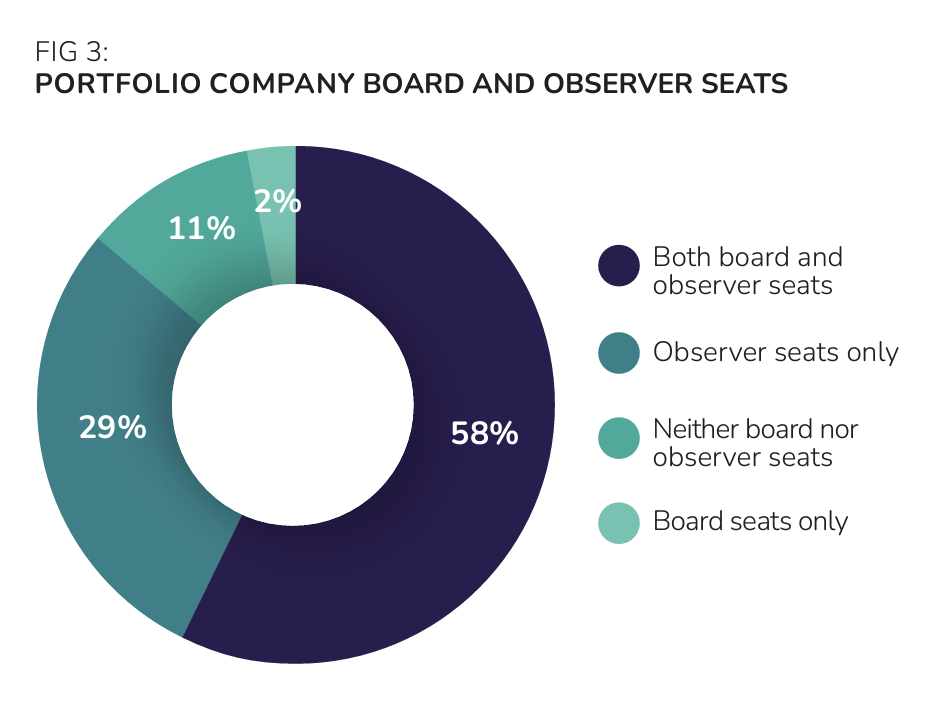
Use observer seats first: Until startups meet milestones, keep influence without full exposure.
For Family Offices
Formalise succession and oversight: Only 47% of FOs have succession plans. Reputational crises can escalate without clear leadership.
Cross-check due diligence: Supplement commercial vetting with journalistic or NGO insights.
Pre-invest in buffers: Crisis communications and insurance may feel optional—until you need them.
Reputation Is Capital
Across venture capital, corporate venture, and family offices, the mechanics of investing may be different, but one principle holds: reputation, perception, and trust moves money. Managing perception is now a financial must-have in an age where every stakeholder can broadcast their judgment instantly. For many, what you are asking for and negotiating privately, you want to remain private.
Founders who prioritise transparency, governance, and integrity don’t just earn trust, they compound it. Investors who integrate real-time data and stress-test for narrative risk will gain a competitive edge.
In 2025 the most influential backer may not sit on your cap table. It may be the online consensus shaping every deal. Respect it, earn it, and capital will follow.
Privately or publicly, reputation matters.
For VCs, CVCs, and family offices, reputation is no longer a soft metric, it is a strategic asset. I advise investors and their portfolio companies on how to strengthen governance, how to position themselves and sharpen messaging, and build resilient reputational capital that supports long-term value creation and stakeholder trust.
If you’re seeking to enhance the strategic positioning of your investments or reduce reputational risk, I would welcome a conversation.
To stay informed, subscribe to my LinkedIn newsletter, Reputation Matters, where I share insight and practical guidance at the intersection of investment, innovation, and trust.
Please feel free to connect or share this with your nrtwork who may benefit. to my LinkedIn Reputation Matters newsletter. Or connect with me on LinkedIn.

How Not to Advertise Eco Claims: Lavazza & Dualit Case
When Lavazza and Dualit advertised their coffee pods as “compostable,” the ASA ruled the claims misleading, highlighting the risks of unclear green messaging. I look at the ruling and highlight what went wrong and how brands can avoid similar pitfalls in ESG communications.

When sustainability sells, the pressure to sound green can push brands too far. Just last month, on 30 April 2025, the Advertising Standards Authority (ASA) ruled that Lavazza UK and Dualit Ltd misled consumers with claims that their coffee pods and bags were ‘compostable,’ without making it clear they weren’t suitable for home composting.
Both companies had advertised their products using terms like ‘eco capsules’ and ‘compostable coffee bags,’ creating the impression that these items could break down in a garden compost bin. In reality, the products needed industrial composting to degrade properly—a detail buried in the fine print, if mentioned at all.
The ASA found both companies in breach of the rules on misleading and environmental advertising. The message was clear: sustainability claims must be specific, substantiated, and written with the consumer in mind.
What the ASA Found
Lavazza UK ran a paid search ad for its ‘Eco Caps,’ describing them as ‘compostable capsules’ for home use. Lavazza argued the claim referred to the material’s compostability, not how it should be disposed of. However, the ASA stated that consumers would reasonably assume ‘compostable’ meant suitable for their garden compost bin, particularly in a home-use context. The company had failed to clarify the industrial-only requirement, despite the ad having ample space to do so.
Dualit Ltd faced a similar ruling over its ad for ‘Compostable Coffee Bags.’ The bags were made from PLA-based materials and carried industrial composting certification, but again, the term ‘compostable’ was unqualified in the ad. Like Lavazza, Dualit had character space to clarify the claim, and didn’t.
Both companies were found to have breached CAP Code rules 3.1 and 3.3 (misleading advertising) and 11.1 and 11.2 (environmental claims). Their ads were banned, leaving questions about the claims of their products.
Do Green Claims Boost Business?
Green marketing first gained traction in the 1980s and 1990s as companies responded to growing pressure around waste, emissions, and ethical consumerism. But it wasn’t until the 2000s, driven by climate activism and the rise of sustainability reporting, that environmental claims became a core part of brand strategy. Today, they show up everywhere: in packaging, ad campaigns, investor reports, and corporate missions.
But with greater visibility comes greater scrutiny. Green claims are no longer just a PR opportunity; they’re a compliance risk if not handled carefully, particularly when marketing, advertising, or communications teams are unable to verify claims against standards set by regulators and the expectations of their audiences. Regulators are watching, and so are consumers who are increasingly alert to ‘greenwashing.’
However, when done right, sustainable messaging still delivers results. A recent McKinsey and NielsenIQ report found that products making ESG-related claims grew 28% over five years, compared to 20% growth for products without such claims. That’s a notable sales lift, more than 6 percent, linked directly to communicating environmental and social value.
Selling green credentials can help a company, but only if those claims are clear, credible, and compliant.
How Did It Happen? A Breakdown in Sign-Off
The rulings highlight a recurring issue in modern marketing: when sustainability claims are rushed to meet consumer demand, critical cross-functional checks can be overlooked.
The typical process involves:
Marketing: creates the ad content and selects the terminology.
Comms/PR: reviews for tone, positioning, and reputational fit.
Legal/Regulatory: checks compliance with advertising and environmental laws.
Agencies (where involved): produce and place the ads under brand direction.
In Dualit’s case, the creative agency We Are Strawberry Ltd was involved. Lavazza’s ad was, we think, created in-house. Either way, the disconnect likely happened in the handoff between teams. Marketing might have assumed ‘compostable’ was legally safe based on certification. Legal might have focused on technical accuracy rather than consumer interpretation. Comms teams, focused on clarity and tone, might not have dug into the claim’s implications.
The result? Everyone signed it through. No one stopped to ask how the public would read it.
The Fallout: Trust and Transparency Take a Hit
The ASA ruling attracted media coverage, including from The Guardian, and raised the spectre of greenwashing—when brands overstate or mislead on environmental benefits.
For consumers who care about sustainability, this can feel like a betrayal. Once trust erodes, it’s hard to win back. In a digital world, where outrage spreads rapidly, even unintentional missteps can cause lasting brand damage.
Environmental credibility isn’t just about certifications or checkboxes. It’s about how real people understand your message. When that message misleads, even unintentionally, it undermines a brand’s broader values and integrity.
Lessons from the Greenwashing Frontlines
Hanna Basha, lawyer and Partner at Payne Hicks Beach, summed it up on LinkedIn: “We are seeing more and more reputational issues around claims of green credentials. Often not intentionally deceptive but still reputationally damaging.”
And regulators are tightening up. The ASA’s decision came amid broader scrutiny of environmental advertising under the new Digital Markets, Competition and Consumers Act 2024, which gives watchdogs more power to hold companies accountable for misleading claims.
In short, the rules are evolving, and the bar for clarity is rising.
Four Ways to Get Sustainability Claims Right
Here’s how brands can stay compliant, credible, and consumer-friendly:
Speak Like a Consumer
Test language. If most people think ‘compostable’ means backyard compost, don’t assume otherwise. It is the job of communications professionals not just to promote, but to protect brands, and to also push back claims that can’t be verified or can be misunderstood by the public.
Be explicit: say ‘industrially compostable only’ upfront.
Show, Don’t Hide
Mention certifications (like EN13432) early, not three clicks deep.
Put disposal instructions in plain sight. Keep it simple, which is often hard and time-consuming, especially for agencies and how their business model works.
Make It a Team Sport
Set a ‘four-eyes’ rule: legal, marketing, comms, and sustainability leads must all approve environmental claims. Internal communications teams must think like regulators.
Keep a paper trail: if regulators come knocking, you’ll want proof.
Brief Your Agencies Well
Give them clear ‘do’s and don’ts’ on eco language.
Treat agency ads to the same scrutiny as internal work.
Fixing the Process: Bring Legal and Comms in Early
To avoid future greenwashing headaches, companies should rethink how they structure sign-offs:
Collaborate from the Start: Legal and comms teams shouldn’t be an afterthought. Include them at the ‘brief’ stage. I have written about this and shared some insight on how an organisation’s general counsel needs to better work with communications teams.
Use Checklists: Standardise review processes with simple, shareable checklists for green claims.
Train Constantly: Keep teams up to date on the latest ASA rulings and best practices.
Create a Sustainability Board: Consider a cross-functional governance group to review high-impact campaigns.
Get it right and your brand is protected. Get it wrong and the perception and value of your brand are hit, which can take time and extra money to fix.
Final Word: Bold Claims Need Solid Ground
Lavazza and Dualit aren’t alone. Many brands are navigating the fine line between appealing green messaging and misleading overstatement. But as these rulings show, if you say it, you need to back it up, clearly, truthfully, and in the language consumers understand.
When done right, sustainability messaging can foster loyalty and trust. Done wrong, it invites headlines, bans, and long-term reputational damage. The lesson is simple: if you want to sound environmentally conscious, first ensure you’re being clear. Only sell and promote what your communications team can confirm.

The Impact Of The Damage to Brand America
American businesses are witnessing a rise in anti-American sentiment worldwide. What is the impact of this, and how can American companies and investors that trade, invest and profit from their presence overseas protect themselves?

When Donald J. Trump took the oath of office for a second time on 20 January 2025, the global reaction was swift. Within ten weeks, Morning Consult’s 42-country U.S. Reputation Tracker logged a 20-point collapse in net favourability toward the United States – the steepest fall it has observed outside wartime shocks. In parallel, the Trump administration’s ‘Liberation Day’ tariff regime (a blanket 10 % levy plus higher ‘reciprocal’ rates for deficit partners) triggered retaliatory moves from allies and rivals alike, feeding the perception that the White House is willing to weaponise trade for domestic gain.
Virgin Group founder Sir Richard Branson put it bluntly when on the new administration’s tariff policy, he said, “erratic and unpredictable … If he continues, he’s in such danger of doing so much damage in this world.”
Even U.S. executives are sounding alarms. On IBM’s Q1 call, CEO Arvind Krishna listed ‘anti-American sentiment’ as a potential headwind if it ‘becomes louder than it is today.’ Wall Street peers from JPMorgan to P&G have issued similar caveats in recent weeks.
How far, and where, has sentiment fallen?
Morning Consult’s survey recorded a 20-point global drop in the U.S. net favourability score during the first quarter of 2025, highlighting how the perception of the US is being damaged. What is concerning is not just the fact that negative perceptions of the US are growing amongst allies, but the steep drop in the net favourability scores, which risks establishing a view point that might be difficult to repair in the medium to long term..
Looking at the data from between Oct 2024 and Mar 2025, the most significant drops in net-favourability are in:
Canada: −54.9 pp
Mexico: −41.3 pp
Japan: −40.0 pp
Netherlands: −38.3 pp
France: −38.6 pp
EU-27 (average of six majors): −34 pp
United Kingdom: −34.3 pp
Pew Research’s Global Attitudes spring soundings (fieldwork February–March) echos the Morning Consult data, noting that unfavourability toward the U.S. now exceeds 60% in Germany and 55% in South Korea.
And where a drop in reputation occurs, China moves in quickly to establish itself as a trustworthy partner, a message that was echoed by recent meetings between China, South Korea, and Japan, as well as visits by China’s Xi Jinping to Vietnam and Malaysia.
Tariffs and politics: the narrative drivers
Three forces now dominate the global conversation about the United States, and each is amplified by the way the new administration handles the press.
Reciprocal tariff regime. The blanket 10 % duty on all imports, plus 25 % on cars from the EU and Japan, has produced tit-for-tat measures. Because tariffs are headline numbers, such as the over 140% tariffs levied on imports from China make tariffs an instant barometer of Washington’s mood; each new announcement fuels market volatility and invites a fresh round of hostile editorials overseas. The FT’s Katie Martin, in her opinion column - The Long View, highlights how ‘Fund managers will have no rest for as long as he is in office with policy predictability in short supply.’
Perceived unilateralism. Washington’s hints at reducing NATO funding and pausing military aid to Kyiv feed accusations of unreliability. French senator Claude Malhuret labelled the U.S. “a source of instability and betrayal” in a viral Senate speech. The reputational hit is not abstract: polling shows a 34-point fall in average U.S. favourability across the EU-27 since October, and European countries are opting to look to non-US defence companies for security, something that will be of concern to American defence contractors, which do a lot of business with European countries.
Social-media amplification. Campaigns such as #DropUS in Scandinavia and ‘Buy Canadian’ trend whenever a new tariff headline lands, giving consumers a low-cost protest outlet. Fitch Solutions documents the visible shelf removal of U.S. snack brands in Denmark. What begins as digital outrage is now visibly reshaping retail inventories in countries outside of the U.S.
Mapping sentiment to economic exposure
When you look at the sentiment and trade data together, what you see is a convergence of reputational risk and economic exposure that could materially weaken the United States’ trade position and fiscal resilience.
The data is clear and increasingly urgent picture: the United States is facing a growing reputational backlash from some of its most economically significant partners. Countries such as Canada, Mexico, Japan, the UK and the EU-27 are not only seeing a steep decline in public sentiment toward the U.S., but they also happen to be among the country’s biggest trading partners and largest holders of U.S. Treasury debt. And this matters. A lot.
Take Japan and the EU, for example. Together, they hold over $2.5 trillion in U.S. Treasuries. That gives them considerable influence over America’s fiscal health. If either were to slow their purchases—or even begin quietly offloading holdings—it wouldn’t take much to really spook bond markets. Yields would rise, borrowing would get more expensive, and the ripple effect would be felt across everything from mortgage rates to federal budgets.
At the same time, public sentiment is continuing to shift dramatically in places that matter most for trade. Canada (–54.9 points) and Mexico (–41.3 points)—America’s neighbours and critical partners in the USMCA framework—are already seeing signs of consumer backlash. From social media campaigns like #BuyCanadian to retailers removing U.S. products from shelves, the reaction is real, and it’s already affecting sales.
What’s emerging is a dangerous combination: economic reliance meets political discontent. Allies with significant financial exposure to the U.S. are facing public pressure to act, and that gives them leverage. If that pressure continues, the U.S. could find itself navigating not only a more hostile geopolitical environment but one where its trading partners begin using debt, demand, and public opinion as tools of influence.
The countries that have soured most sharply on the U.S. still buy about half of all American exports and hold three-quarters of foreign-owned Treasuries. The overlap between sentiment and economic leverage is uncomfortably tight.
This isn’t just about reputation—it’s about resilience. And right now, both are under strain.

Real-economy tremors
If you want an example of how perception matters in trade then look no further than the new administration’s policy decisions, particularly around tariffs and political alignment, is reshaping and influencing how countries, businesses and citizens engage with the American economy.
In Europe, consumer and corporate responses are already visible. As an example, Tesla’s deliveries in the EU and UK dropped 50% year-on-year in Q1 2025, despite electric vehicle demand rising by 20%, highlighting how Elon Musk’s perceived closeness to controversial U.S. policies is now directly impacting brand appeal and sales to such an extent that he only recently said that he would be pulling back from DOGE to spend more time at Tesla, the firm that gives him the greater value to his wealth. Yet, his reputation is damaged.
On the industrial side, German and Italian auto suppliers are pausing planned investments in the U.S., citing the unpredictability of tariff regimes as a key reason. This hesitancy among supply-chain partners signals a shift away from the U.S. as a dependable hub for manufacturing and trade.
Meanwhile, the broader economic knock-on effects are surfacing: Germany has cut its 2025 GDP forecast to zero, blaming U.S. policy shocks. As demand weakens in these export-heavy economies, American firms will inevitably feel the impact in lost orders and reduced growth.
Capital-flow channels
The perception of U.S. policy unpredictability is beginning to shape the global flow of investment, and not in Washington’s favour.
Inbound foreign direct investment (FDI) into the U.S. fell sharply from $206 billion in 2022 to $149 billion in 2023, marking a 28% decline. While the U.S. still tops the 2025 Kearney FDI Confidence Index, that ranking is increasingly built on legacy strength, not current sentiment. In fact, respondents now cite ‘policy unpredictability’ as their single biggest concern when considering U.S. investment.
This erosion of confidence is already changing the investment behaviour of America’s closest allies. Large-scale, subsidy-backed projects, especially in semiconductors and clean energy, are still proceeding, buoyed by incentives from the Inflation Reduction Act and CHIPS Act. However, mid-sized European manufacturers and suppliers are taking a step back, with many pressing pause or cancelling expansion plans entirely. These are often the firms that form the backbone of advanced supply chains, and their hesitancy is a warning sign.
As the perception of the U.S. as a stable, rules-based economy continues to shift, businesses and governments abroad are reevaluating their exposure and, in many cases, beginning to diversify. This trend reflects a deeper unease, not just with individual policies, but with a broader sense that the U.S. may no longer be the predictable partner it once was.
Outbound VC and CVC
Recent data from PitchBook shows a noticeable decline in U.S. investor participation in European venture rounds. In Q1 2025, U.S. VCs and corporate VCs were involved in just 47% of European deals, down from 51% in Q4 2024. While this may seem like a modest dip, it marks the sharpest quarterly drop since the pandemic, and it’s gaining attention as more than just a cyclical blip, especially when you look at South East Asia, where between 2021 and 2024 U.S. CVC deal saw a 14 point drop from 35% to 21%.
The shift reflects growing caution from both sides of the Atlantic. On one hand, U.S. investors are becoming more risk-averse, particularly in geopolitically sensitive sectors. On the other hand, European founders are starting to factor in U.S. political volatility when deciding who to raise money from. As Sifted magazine reported, ‘a growing number of European founders are now adding ‘political-risk slides’ to their pitch decks’ and are seeking valuation buffers and contingency clauses when negotiating with American investors.
This change signals a deeper structural shift in founder sentiment and dealmaking dynamics. U.S. capital, once viewed as the gold standard, is now being weighed more critically, not for its size, but for the strategic baggage it might bring. If the trend continues, America’s role in global innovation ecosystems may become increasingly contested, especially if leading Ivy League institutions continue to be challenged by the new administration.
Strategic Communications and Policy Playbook
So what can US companies do to separate themselves from the negative sentiment and perceptions that are establishing themselves in international markets, an issue that affects US brands that secure more of their revenue from trading in markets outside of the US.
Above all, companies and US brands need to be able to localise and become relevant. Signal national and local collaboration in nations in which they have an established presence. Branding, engagement and communications need to be more localised and empathetic. A strategic communications approach needs to be adopted.
Additionally, they need to:
Decouple the brand from the flag: Businesses should highlight local R&D investments, manufacturing sites, and partnerships. Labelling products with regionally resonant tags like ‘Made in Brandenburg’ helps counter consumer boycotts rooted in national identity.
Mitigate tariff optics: Companies can ring-fence a portion of their margin to absorb tariff costs and clearly communicate that decision to customers. This signals empathy and shows a proactive commitment to protecting local buyers, softening reputational blowback.
Prioritise local spokespeople: Using regional general managers, rather than U.S. executives, for media and stakeholder engagement lends authenticity and reduces the risk of being seen as politically charged.
US companies need to be prepared with pre-approved communications. Develop ‘rebuttal kits' with FAQs, social copy, and response content in local languages to address misinformation and pushback swiftly and sensitively.
Ultimately, businesses must be able to leverage coalition advocacy effectively. Collaborating with peer companies and lobbying via trade chambers provides a stronger, unified voice. This collective effort helps neutralise accusations of unilateralism and ensures that businesses are not isolated when policy headwinds hit.
From tech to consumer goods and automotive to finance, these strategies offer a roadmap for U.S. companies to safeguard global reputation, strengthen stakeholder trust, and remain competitive amid growing geopolitical risk.
For investors (VC & CVC)
As anti-American sentiment rises in key innovation hubs, particularly across Europe and Asia, U.S. venture capital (VC) and corporate venture capital (CVC) investors must adapt their strategies to continue securing high-quality deals. Start-up founders in these regions are increasingly cautious, not just about financial terms, but about the political and reputational implications of accepting U.S. capital.
VC and CVC investors need to engage with strategic communicators who can advise them on how best to navigate this growing, difficult geopolitical environment.
Three general top-line options exist. They include:
Co-investing with trusted local funds (co-GP structures) offers a powerful way to build confidence. Local general partners offer cultural fluency, market access, and a layer of reassurance that can help mitigate concerns about regulatory risk or geopolitical blowback. These partnerships also offer visibility into local deal flow that U.S. investors may otherwise miss.
Second, offering valuation buffers or step-in clauses is now a smart move, not a concession. Founders are factoring in the cost of geopolitical uncertainty—tariffs, sanctions, or sudden policy shifts. Step-in clauses or conditional terms that allow founders to unwind or restructure exposure if political tensions escalate demonstrate foresight and trust.
Finally, U.S. investors must proactively structure deals to be compliant with CFIUS (Committee on Foreign Investment in the United States) guidance, especially in sectors like AI, defence tech, or health data. Taking non-controlling stakes, avoiding board seats, and being transparent about governance can reduce friction and open the door to more cross-border opportunities.
Risk, risk, everywhere
Business leaders, investors and their strategic advisers need to keep an eye on the following four clear indicators in the months ahead. Each of these is a forward-looking risk that is tied to the growing policy volatility and anti-American sentiment.
Trade is first. The upcoming USTR tariff-review deadline in July 2025 carries material economic risk. Should the administration reinstate the full suite of tariffs—especially those targeting allies—a 0.3 percentage point reduction in U.S. GDP could follow. This would signal real-world consequences for protectionist rhetoric and generate renewed global backlash.
Treasury markets offer another key signal. Watch the foreign ‘allotment’ share in U.S. long-bond auctions in May and August. A 5% pull-back in foreign participation would be enough to push 10-year Treasury yields up by ~4 basis points, increasing borrowing costs across government, corporate, and consumer credit channels.
Inbound FDI remains a barometer of global confidence. If the BEA’s June release shows new investment falling below $140 billion, it will indicate persistent caution from international firms, especially mid-sized European and Asian manufacturers who are vital to the U.S. supply chain ecosystem and are impacted by the Tariffs placed on them, which US companies will need to pay, or not.
Finally, VC flows offer a pulse on innovation partnerships. If PitchBook’s Q2 data shows U.S. participation in European rounds dropping another 3–4 percentage points, it will mark the start of a structural disengagement in transatlantic capital and collaboration.
These signals aren’t just economic—they’re reputational. Each one tells a story about how global partners perceive U.S. reliability.
Softer power, hard costs
Anti-American sentiment has shifted from a soft-power headache to a balance-sheet issue. It is hitting export orders, delaying incremental capital expenditure and making founders think twice before taking U.S. money. The irony is that the countries most affected, America’s traditional allies, are also the very ones that finance its deficits and host its forward military deployments.
The damage is reversible. Reputation curves have rebounded before, post-Vietnam, post-Iraq. However, history shows that recovery starts only once the economic pain is acknowledged and concrete actions follow. Tariff relief for allies, locally rooted brand narratives, and transparent investment rules are the fastest levers.
For boardrooms and governments, the task is immediate: localise value, communicate empathy, hedge exposures, and keep an exit ramp open for Washington when politics cools.
The alternative is a slow erosion of the United States’ privileged position at the centre of the global trading, funding and innovation system.

AI in Comms: Newsroom Lessons for Business and Government
How is AI reshaping communications, trust, and public engagement? This article shares key takeaways from a conversation with Laura Oliver and Hans-Petter Dalen on what business, government, and newsroom leaders must understand to lead credibly in the age of generative AI.

As artificial intelligence continues to reshape industries, from newsrooms to boardrooms, a fundamental question arises: how can organisations leverage AI to enhance trust, reputation, and productivity, without losing the human element that makes communication credible and meaningful?
That was the central theme of our recent webinar, AI, News & Trust: The Future of Communications, featuring Laura Oliver, senior newsroom consultant and former Reuters Institute contributor, and Hans-Petter Dalen (HP), IBM’s Business Executive for AI across EMEA. Their insights, drawn from deep experience in journalism and enterprise technology, offer strategic takeaways for communicators, business leaders, and policymakers navigating AI’s next wave.
🧠 Beyond Hype: Why We Must Focus on Use Cases, Not Just Tools
HP Dalen opened the conversation with a striking point: we’re talking too much about technology, and not enough about what it’s actually for.
‘If we don't understand how we use it [AI], we don't focus on the use cases, It will it will become a technology-driven evolution. And that's not going to benefit lines of business.’ – Hans-Petter Dalen
HP reminded us that IBM has been in the AI space since the 1960s — long before terms like “generative AI” became mainstream. What’s changed today, he argued, is the accessibility of these tools. But adoption doesn’t equal impact.
‘You’ll see surveys saying that 90% of companies say they use generative AI on a daily basis, and it gives them personal productivity. But personal productivity doesn't benefit your company if you use it for drinking more coffee or you leave early.’ – HP Dalen
📰 Lessons from the Newsroom: Adapting to AI While Defending Trust
Laura Oliver provided a nuanced view from the frontlines of journalism, an industry that has been repeatedly disrupted — first by the internet, then by social media, and now by AI.
‘For far too long at a business level as well, within journalism, the focus has been on where are those marginal kinds of efficiency savings we can make, where there's marginal cost savings we can make … But I think where it's disrupting in a positive way, where it's being used most effectively, is where the newsrooms have identified problems that can help them solve.’ – Laura Oliver
She highlighted a growing tension: AI is helping journalists save time on rote tasks, but there’s little evidence that those saved hours are being reinvested in deeper reporting or investigations. That mirrors concerns in corporate comms: time saved with AI doesn’t automatically mean value gained.
📉 The Misinformation Threat: More Content, Less Clarity?
Both speakers raised concerns about AI’s potential to exacerbate misinformation, particularly when it automates content creation without sufficient editorial oversight.
‘We’re already overwhelmed by volume. AI just makes it easier to flood the zone with misleading content. This isn’t just a media problem — it’s a trust crisis.’ – Laura Oliver
The solution isn’t to resist AI, but to embed strong governance.
HP cited the “biggest AI scandal in Norway,” where a city council used ChatGPT to justify school closures, without checking the accuracy of the generated content. The result? Fabricated references, public backlash, and a crisis in credibility.
‘That wasn’t an AI scandal. That was a human scandal. Nobody verified the output. No governance, no oversight — and that’s the real risk.’ – HP Dalen
⚙️ SLMs and the Rise of the AI Stack
A particularly insightful part of the discussion focused on Small Language Models (SLMs) and the growing need for organisations to develop their own AI stacks.
While most businesses rely on off-the-shelf Large Language Models (LLMs), like ChatGPT or Gemini, these tools are general-purpose and trained mostly on public data. As HP explained, less than 1% of the data used to train LLMs is enterprise data. That’s a massive blind spot.
‘We’re seeing real success with small models — trained in-house, enriched with enterprise data, and governed for accuracy. That’s where the strategic advantage lies.’ – HP Dalen
A case in point: a group of small newspapers in Norway used a custom AI model to scan local planning applications and flag potential stories. The model didn’t generate articles; it simply summarised documents to save journalists' time, freeing them to focus on investigations, a perfect example of AI augmenting human work rather than replacing it.
💡 Newsroom Innovation = Comms Strategy Inspiration
Laura’s experiences working across UK, European and US newsrooms offered valuable lessons for PR and strategic communications professionals.
‘Journalists are using AI tools like summarisation, transcription, and translation. But the smartest use is where it supports better audience understanding.’ – Laura Oliver
One of the most promising applications? Using AI to analyse user behaviour and improve products — something newsrooms are beginning to do with greater precision. Strategic comms teams can borrow this approach to better understand stakeholder engagement, sentiment shifts, and messaging effectiveness.
“AI can help us ask: What makes someone subscribe? What makes someone stay engaged? That kind of insight is gold — for journalists and comms pros alike.” – Laura Oliver
🧠 Teaching Over Tools: The Critical Thinking Imperative
One of the most important themes in the webinar was the need to invest in human capability, not just tools.
As the conversation turned toward journalism education, Laura explained how AI can be overwhelming for students and teachers alike. The key, she said, isn’t just teaching tools, but embedding critical thinking as a core skill.
‘It shouldn’t be about training the tech. It should be about building the thinking skills to assess any new tool or technology that comes in.’ – Laura Oliver
This point was echoed at the enterprise level by HP, who shared a frustration heard often at C-suite level:
‘We talk to frustrated C-levels almost weekly who have invested millions in AI technologies and maybe seen 50k in return, because we make this about technology and not where we apply the technology … Why? Because the focus was on tech, not on training their people to use it effectively.’ – HP Dalen
This mirrors what many of us in strategic communications have long known: trust, reputation, and performance are built by people — and enhanced by technology, not the other way around.
🏛️ What Business Leaders and Government Should Do Now
This discussion wasn’t just about the practicalities. It was a call to action. Here are some of the key takeaways for decision-makers in business and government:
1. Shift the focus from tools to use cases
It’s not about which AI platform you use. It’s about where and how you apply it to solve real problems. Start with the issues you want to resolve - your outcomes, not your vendors, who will sell you anything.
2. Build your AI stack — not just plug into someone else’s
If you want trust, privacy, and performance, you’ll need models that reflect your organisation’s data and values. That means investing in SLMs and enterprise-ready infrastructure. Your data and your people are the foundation of how successful your AI can help you be.
3. Invest in people, not just platforms
From HR to comms to policy teams, the ROI on AI only materialises when your people understand how to use it, what to question, and where to add human value. People shouldn’t see AI as a shortcut to problem-solving. They need to understand how to prompt and have the necessary critical thinking in place so they can verify insights and suggestions made by LLMs and SLMs.
4. Take trust governance seriously
Don’t make headlines for the wrong reasons. Embed fact-checking, source attribution, and ethical review into every AI-supported process, especially those that touch the public.
Whether you are writing government policy or a business plan, delegating your thinking and decision-making to LLMs creates risk. AI will only help you, the human, if you have the necessary critical thinking to verify the work that AI can support you, your organisation and government department with.
5. Learn from journalism
Journalists know how to work under scrutiny, assess sources, and strike a balance between speed and accuracy. AI gives them and their media outlets a better ability to asses data and reach and engage with their audiences. PRs and strategic communicators should mirror this mindset when deploying AI in public-facing campaigns.
And in an era of misinformation, communications teams need to be prepared to react at a greater speed, especially in a future environment where audiences are more likely to form a judgment and opinion based on the output of a query from an LLM.
🚀 Final Word: Reputations Are Built by Humans, Not Machines
As I closed the session, I returned to a point that resonates across sectors:
‘It’s not just about the AI stack — it’s about the human stack. If we want better productivity, better outcomes, and better reputations, we must invest in the people who use the tools, not just the tools themselves.’
The future of communications, like the future of journalism, will be shaped by how well we combine technology with trust, and strategy with scrutiny.
AI can amplify our impact. But only if we anchor it in purpose, governance, and the kind of human judgment that no algorithm can replicate.
This webinar was run in partnership with Folgate Advisors, a community of international senior communicators.
I've worked with governments and leaders in technology and investment to unlock complexity and integrate strategic communications and international stakeholder engagement into their decision-making processes.
Let’s discuss the importance of managing your reputation in an era where AI can make you more transparent than ever before, or empower how negative actors manipulate your audience and how they perceive you.
Please comment, share or subscribe to my LinkedIn Reputation Matters newsletter. Or connect with me on LinkedIn.