UK Wealth Exodus? What the Data Really Shows
The UK does not have a wealth exodus problem. It has a blame problem. We name the person, count the net worth, and ignore the companies, the jobs and the rules.
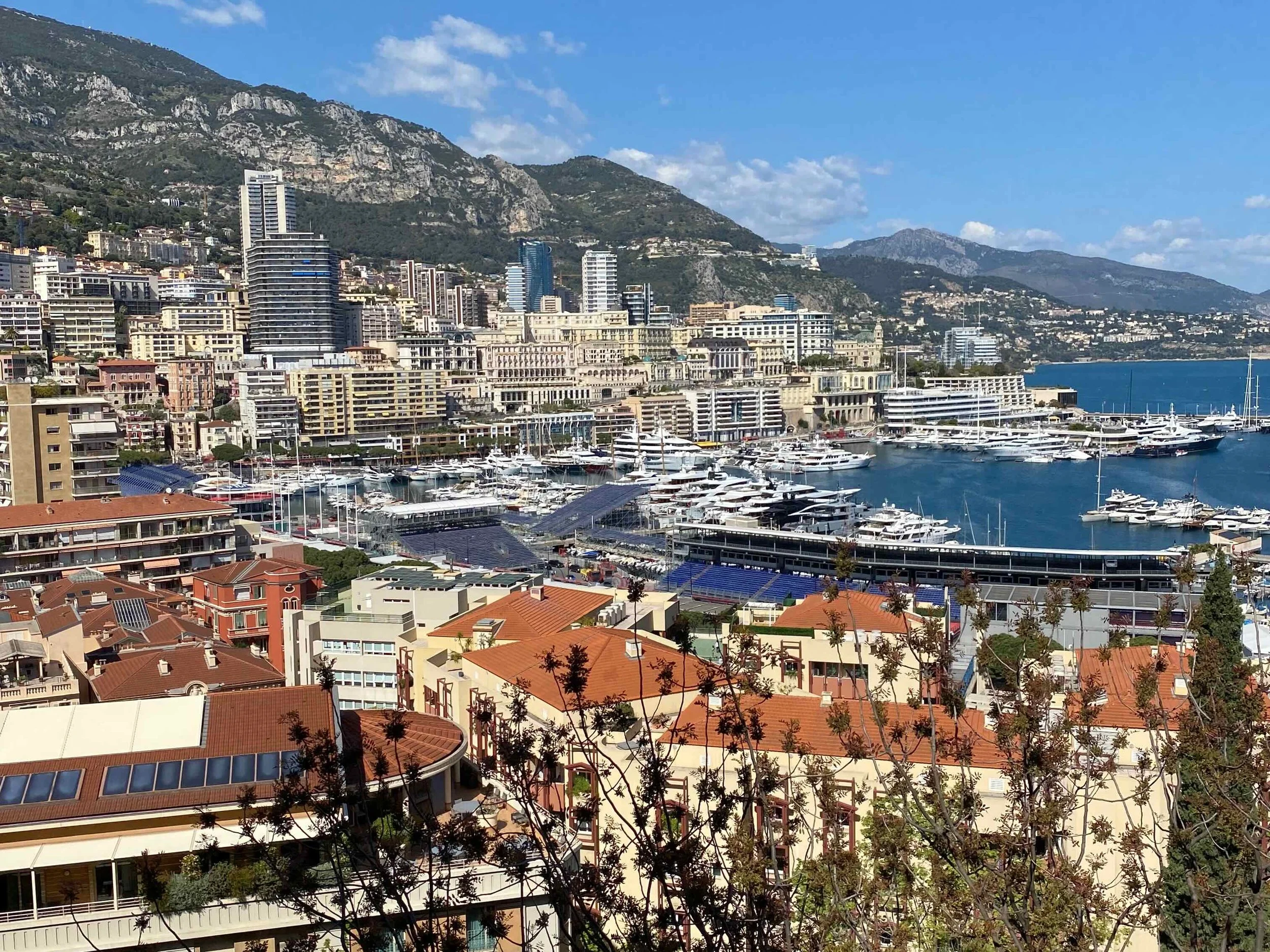
Hardly a week passes these days without a headline telling us Britain’s high-net-worth and ultra-high-net-worth are leaving the country. 'Billionaires have left the U.K. and taken $160 billion to the likes of Monaco, Switzerland, and the UAE — that’s more than those who stayed are worth,' ran one headline this month. And yes, some people are leaving, but when headlines are conflated with net-work the immediate thought is that all their wealth is leaving. This is very often not the case.
The figure that is used to label wealth is not cash in the bank. It is often shares and the value of assets they have. But like in football and the breaking news transfer stories, big numbers generated interest and impact. And the issue is the more that we keep talking about wealth leaving the UK the more damage we do to how the country sees and positions itself.
A country that treats success as suspect gets less of it, and the first to lose are the person with an idea, the first in their family to start a company, the graduate weighing the risk.
Has the UK Really Lost £160bn in a Wealth Exodus?
I’ve been thinking about the narrative that on a regular basis is played to us, that of founders and entrepreneurs leaving the UK to other jurisdictions like the US, Dubai or Monaco. It is a narrative that does no justice to a country like the UK that innovates, but fails to commercialise.
Finance content creator Harry Fudge asked the questions most legacy commentators skip. Did the money, the assets, the companies, leave, or was it just the person? Why did they go? What were they paying before? These questions match what I hear from family offices and the people who run trusts and fiduciary businesses. Some people are leaving, for a variety of reasons. As one adviser told me, “it's become about asset protection rather than about tax”. I am not defending any structure or individual. My concern is the story we tell about ourselves and how while we focus on tax, rightly so in my opinion, we often ignore the incentives that help people create wealth.
In its article, Bloomberg's figure adds up the net worth of billionaires and some family fortunes who left or loosened their ties over about two years. Yet, this group is dominated by foreign-born billionaires and wealthy families whose ties to Britain were recent.
Dive deeper into the numbers and you find that the story gets blurred. What we really need to look at is: What someone owns: a stock, mostly shares; What their companies pay: corporation tax, payroll tax and VAT, which depend on where the company operates; What they personally pay: Income Tax, dividend tax and capital gains tax, which depend on where they live. Only the third moves and is lost to the Exchequer when they do.
Do Companies Leave When Wealthy Owners Do?
Chris Rokos was reported to have moved his tax residency to Greece. His firm is still headquartered on Savile Row, with more than 370 staff. In September 2025 Revolut opened its global headquarters at Canary Wharf. It pledged £3bn of UK investment and 1,000 jobs. A month later a filing recorded its founder as resident in the UAE, creating negative headlines for the UK. And yes, there are others who reside in Monaco and elsewhere.
Let’s be honest, 'the owner/founder moved' and 'the money left' are different stories.
Are the UK's Wealthy Self-Made or Inherited?
Looking at the make-up of wealth in The UK, you see that nine of the top 20 on the Sunday Times Rich List 2026 are wealthy families, according to the High Pay Centre. Globally, 62% of billionaires are entirely self-made and 8% fully inherited, according to Altrata. The makers run financial businesses or build companies that employ people. Yet The Times and Sunday Times Rich List and Tax List rank people by the value of what they control, and when they leave, commentators read that value as their contribution. It isn't.
Do Wealthy People Pay Their Fair Share of UK Tax?
Most of the wealthy people I speak with are happy to pay what is due. Like everyone, they want a system that is fair, predictable and clear about what it is for.
Data from HMRC leans their way more than the headlines care to admit. The top 1% of taxpayers were liable for 27.2% of Income Tax in 2023–24, and the top 10% for 59.1%. Those with incomes above £2 million paid an average rate of 39.3%. Corporation tax raised a record £100.4bn in 2025–26.
The Tax List blurs the picture, because each entry is a person and a business combined. Alex Gerko's runs from £487.4 million to £664.5 million to £331.4 million across three editions. Some say it out loud. In July, 120 millionaires signed a 'Proud to Pay' letter to the Prime Minister: 'We are proud to pay and here to stay.' They are self-selecting and want higher taxes, so they are not typical, but they puncture the stereotype.
In fairness, research by Arun Advani and Andy Summers in 2015–16 found that one in ten people with more than £1 million of remuneration paid an effective rate of about 11%. That is old and contested, but it is why scrutiny of reliefs is legitimate. The honest picture though is uneven. The blanket claim that shapes the narrative, in either direction, is not.
Why Are the Wealthy Blamed Instead of the Tax System?
Because a person makes a headline and a rule does not.
The tax system is complex and it keeps moving. Non-dom abolition began, wait for it, as a Conservative announcement and was confirmed by Labour. The business and agricultural relief threshold was lifted from £1 million to £2.5 million after more than a year of pushback. Pensions enter inheritance tax from April 2027. Business Asset Disposal Relief rose from 14% to 18% in April. The mansion tax, from 2028, is expected to raise about £0.4bn, roughly 0.05% of receipts, and the Chartered Institute of Taxation calls it 'complex and confusing'. Each can be defended. Together they are a system in motion, and the person who reacts gets named. What the UK needs, as that adviser put it, is 'a bit more on the incentive and less on the stick'.
If we want to ask where tax goes missing, we need to look elsewhere and ask a bigger question, especially amongst those who lobby. As an example, let’s look at large technology companies who employ thousands here, earn billions from UK customers and book and move profits in group entities in places such as Ireland or Luxembourg. The Digital Services Tax raised £944 million in 2025–26. Amazon says it paid more than £1.3bn in UK taxes directly in 2025. Whether that is the right amount is a question about rules, not people, and I distrust anyone who offers an aggregate figure without showing the working. It deserves as much airtime as one hedge fund founder's address.
Why Don't Wealthy People Comment?
In many of these stories one party stays silent: the person at the centre. The silence does not stay empty for long. Other voices fill it, and many of them question and criticise.
The silence is not an accident. Among single family offices, discretion and privacy are the culture. Wealth brings security risks, family interests and commercial sensitivities, and the default advice is to say nothing, because speaking invites the next hostile clip. That is my observation.
Britain makes it harder still. Our culture is different to that of the US. We are uneasy talking about money, and most uneasy when someone has a lot of it, regardless of how they have made it. Salaries are private, wealth is seen as vulgar, and success is tolerated more easily than it is discussed. Add a steady and growing anti-wealth narrative, in which the wealthy are presumed to be avoiding, hoarding or leaving, and almost nobody has a reason to speak up. So the story gets told about them, not by them. This is definitely a perception issue not just for them, but for the country as a whole.
The result is a lopsided debate. The people who leave make the news. The ones who stay, build and pay say nothing, so the public rarely hears the good and empowering news stories from them, and silence starts to look like an admission.
Today we live in a country of founders and co-founders, many though are quietly thinking and deciding where to scale. The narrative influences them, especially when it says that if they succeed, the reward is a campaign against them. 'I do believe in perception,' one adviser told me, and if the story continues 'it'll be self-fulfilling'. Some will hear 'build and leave'. Others will hear 'don't bother'. The fact is that we can least afford to lose the second group, because we will never see them go. They simply never start.
How Can the UK Back Wealth Creation Again?
People with choices, often who’ve built businesses, do not move for tax alone. London ranked first in the Global Power City Index 2026 for the 14th year running, and four British universities are in the QS top ten. 'On balance, the UK for me is where my network is,' one adviser told me. Another: 'we still need UK plc to be strong for our business'.
So count the right thing: publish residency changes among high earners and, separately, the staff, payroll and tax of the businesses they own. Fix the system, not the headline: simpler rules, kept stable, and a hard look at where large businesses that earn here book their profits. And answer back. Founders, investors and family offices should say plainly what they build here: the jobs, the tax, the people they train.
A country that tells itself every day that its wealth creators are leaving will, in time, be right. We are not in decline because a few people left. We risk becoming so because we decided to believe what the headlines tell us.