
Burnham, Healey and Reynolds: Britain's Growth Moment?
Burnham, Healey and Reynolds are now responsible for growth. William Hague, Chancellor of Oxford University and former Leader of the Conservative Party, says Britain's problem isn't invention, but conversion and commercialisation. He's right. But we also need to talk about culture, and the risk-averse mindset that holds back British innovation instead of rewarding it.

Why Now Is the Moment to Invest in UK Life Sciences Sector
The UK life sciences sector is backed by world-class science, £520 million in government commitments, and new private market infrastructure. So why is 94% of late-stage capital still coming from overseas?
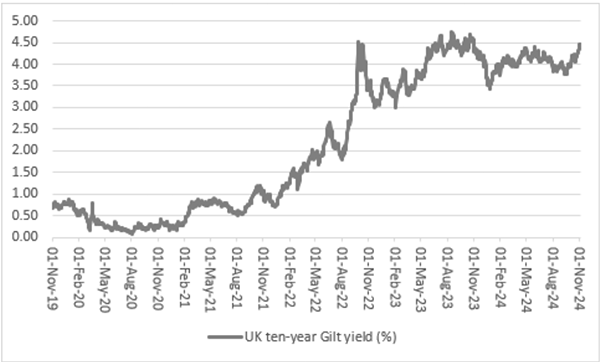
Why Bond Markets Are Not the Enemy of Governments
Bond markets are not the enemy of governments. They are the trustees of other people's futures, and they are asking one question that too many policy teams are failing to answer.

Geopolitics, Trust and the 2026 Strategy Test
Six signals for 2026 that leaders in government, technology and investment should act on now. A strategic view of geopolitics, trust and reputation as operating constraints.
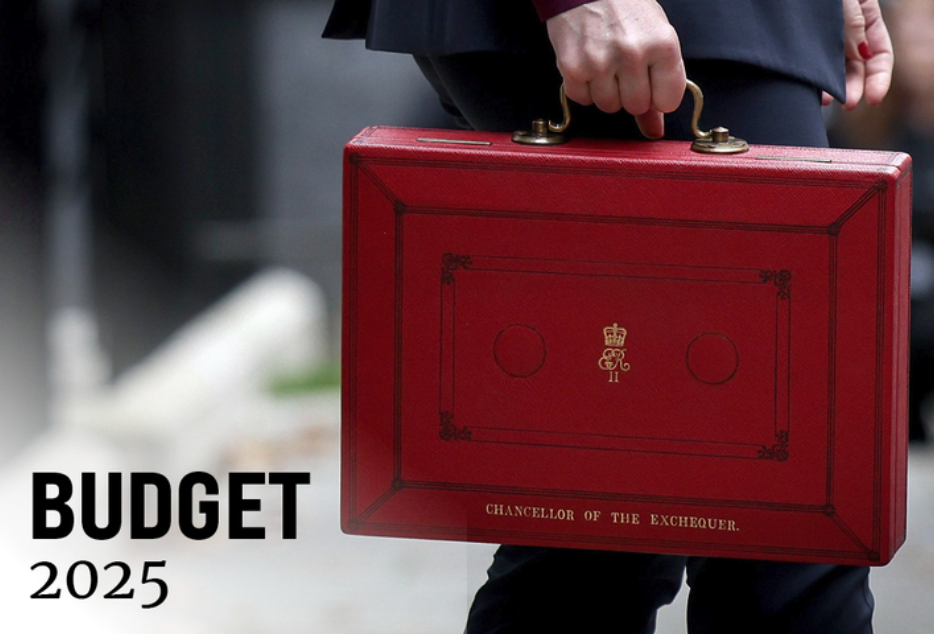
2025 UK Budget: Tax Rises, Tough Choices and the Missing Growth Strategy
The UK’s 2025 Budget raised taxes to historic highs but failed to reduce regulatory friction or unlock investment. Here is why these risks pose a long-term growth and why the narrative will impact how UK businesses see the benefit of investing.

How to Fix Britain’s Broken Culture of Aspiration and Entrepreneurship
Britain has no shortage of talent or ideas, but it lacks a culture that truly values ambition, risk-taking, and entrepreneurial success. While US founders are celebrated, UK entrepreneurs are met with scepticism, short-sighted policy, and a narrative that undermines their contribution. I explore the damaging myths around wealth creation, the perception gap at the heart of UK policymaking, and the steps we must take to reposition entrepreneurship as a national asset, not a problem to manage.

Growth Without Delivery. Does The UK Face a Confidence Gap?
The UK government faces a credibility problem, struggling to move beyond rhetoric to deliver tangible economic growth. This piece argues for a shift from "headline economics" to concrete frameworks that mobilise capital, outlining five recommendations for transforming policy ambitions into real-world impact.

How To Rethink Data Culture in Government
Brent Hoberman’s question—“How good is the data that governments use to make choices?”—spotlights a deeper issue: it’s not just about the data, but the people and culture behind it. In this article I explore how risk aversion, silos, and bias hinder policy impact—and what leaders can do to fix it.

CB Insight 'State of Venture 2024' Report: Insights and Advisory
Venture capital is evolving rapidly, with AI, fintech, and climate tech dominating investment flows. According to CB Insights’ State of Venture 2024 report, global VC funding has hit an eight-year low, but key sectors and regions are still thriving. While the US, UK, and parts of Asia attract strong investment, China, Canada, and Germany face declines. As governments refine policies and start-ups adapt to investor demands, 2025 presents both challenges and opportunities for venture-backed innovation.