
Geopolitics, Trust and the 2026 Strategy Test
Six signals for 2026 that leaders in government, technology and investment should act on now. A strategic view of geopolitics, trust and reputation as operating constraints.

Sorrell Is Wrong: Reputation Matters More Than Reach
Sir Martin Sorrell is wrong. Reputation is not built through volume and reach — it is built through trust, judgement and behaviour over time. The argument that leadership communications needs.

FIFA’s World Cup 2026 Pricing Damages Football’s Brand
FIFA’s pricing strategy for the 2026 World Cup risks doing lasting damage to football’s reputation in North America. By prioritising short-term revenue over accessibility and atmosphere, FIFA is undermining the fan culture that gives the game its global appeal. In a market where football still competes with established sports, excluding core supporters weakens the live experience, erodes trust, and ultimately harms the long-term business of the game.

Are We Pricing Tech Ambition or Inflating a Bubble?
Tech IPO valuations are soaring as SpaceX, OpenAI and Anthropic reshape markets. We need to think whether ambition, narrative and AI hype are driving sustainable value or a growing bubble.
The Geopolitics Shift Boards Cannot Ignore
The 2025 US National Security Strategy marks a break from liberal globalisation. Supply-chain control and strategic competition are now board-level priorities. What this means for investors and executives.
The Hidden M&A Risk: Trust, Perception, Reputation
Most M&A failures are not caused by financial errors but by mismanaged perception, weak private engagement and cultural misunderstanding. Trust, reputation and strategic advisory must sit at the centre of every deal. This article explains why private communications, geopolitical fluency and cultural intelligence are now essential to securing stakeholder confidence and protecting value.
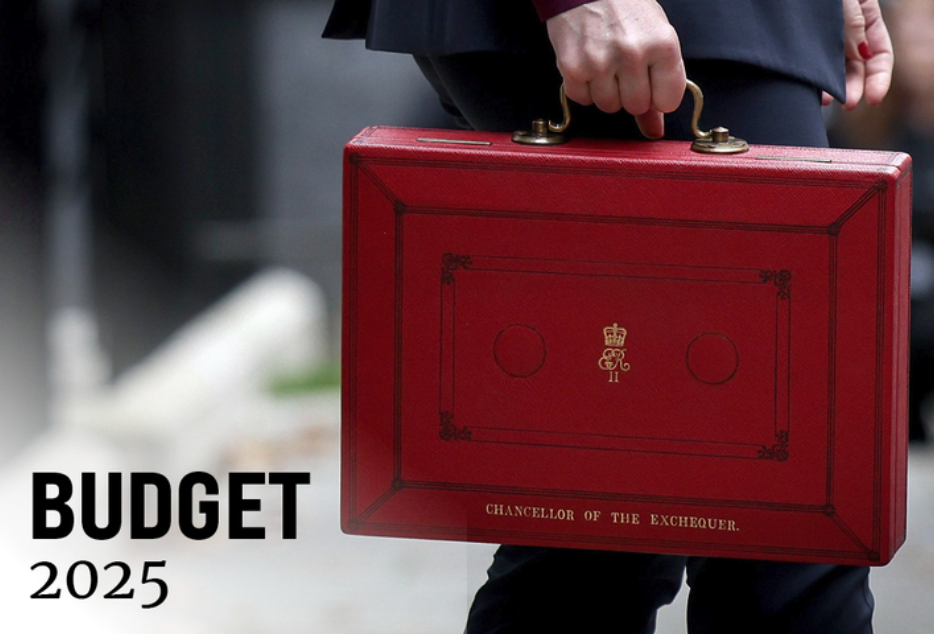
2025 UK Budget: Tax Rises, Tough Choices and the Missing Growth Strategy
The UK’s 2025 Budget raised taxes to historic highs but failed to reduce regulatory friction or unlock investment. Here is why these risks pose a long-term growth and why the narrative will impact how UK businesses see the benefit of investing.

Why Is Trust Now the Hardest Currency in Corporate VC?
Why is trust becoming the hardest currency in corporate venture capital? CVCs now differentiate not by cheque size, but by the strategic insight, commercial access and risk expertise they bring to early-stage companies. New data from the State of CVC 2025 report sets out what CVCs and founders must do to build perception, credibility and growth.

UK Budget: What Can Leaders Learn About Confidence and Signals?
The UK Budget 2025, delivered by Rachel Reeves, highlights a deeper issue affecting governments and investors worldwide: confidence is shaped less by policy than by how leaders communicate. When messaging is fragmented or inconsistent, markets assume the worst. In this blog, I explain why narrative discipline now shapes capital flows, valuations and international trust, and outline five strategic steps leaders must take to rebuild confidence.