Geopolitics and trade
Entering a new market depends on more than a good product. It depends on being trusted by the governments and investors who decide whether you belong.
I spent eight years inside UK government, and today work in the UK and across Europe and EU member states including Spain, the Gulf, Singapore, Malaysia and Japan. I help you understand how a market sees you, prepare the conversations that matter and get you into the right rooms.
See how I work or start a conversation.
Start here
Latest insights
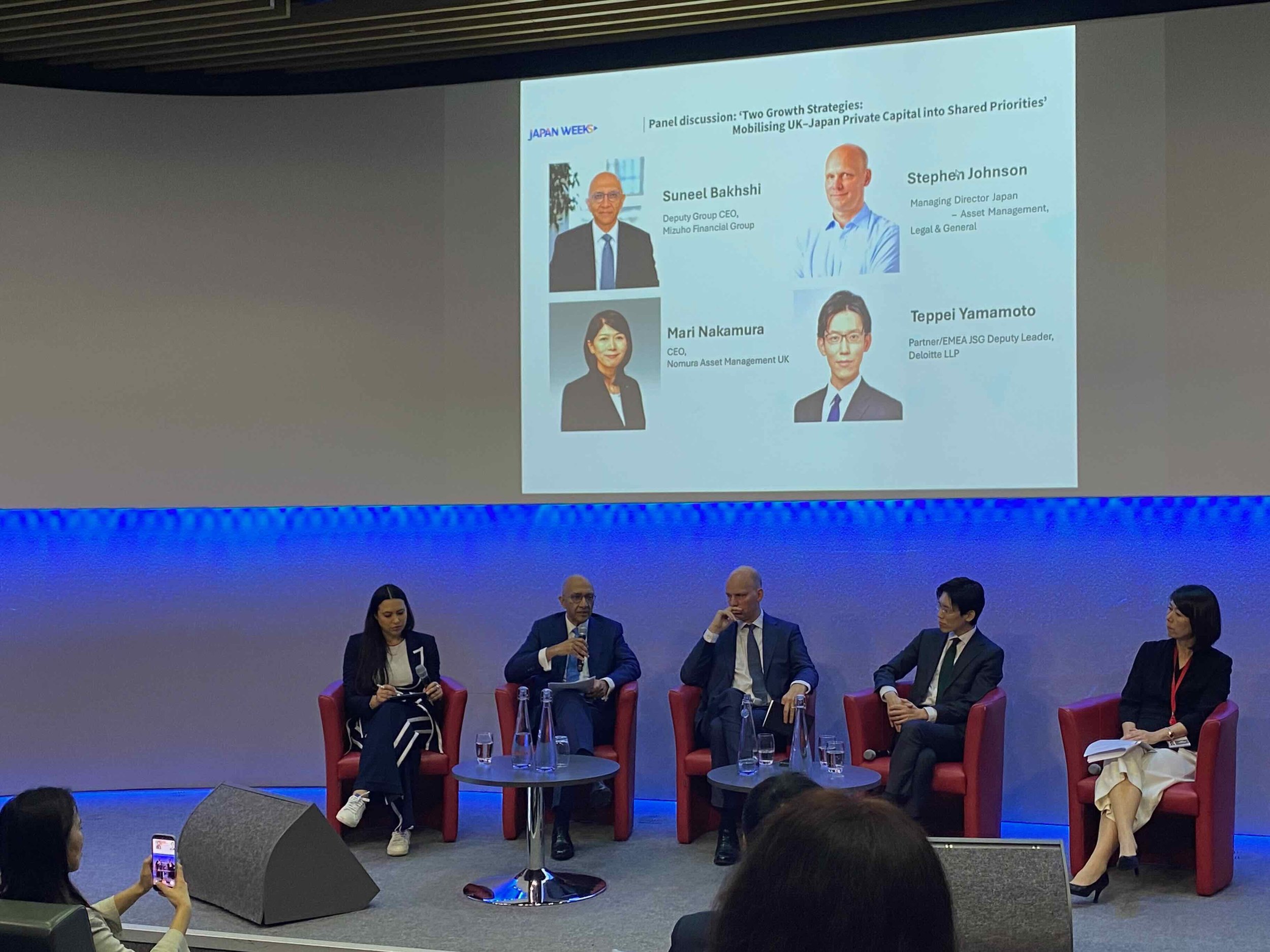
At Japan Day in London, Ambassador Hiroshi Suzuki said Japan needs to "wake the money up." This article examines the signals behind Japan's ¥373 trillion growth strategy, what the UK can learn from Japanese corporate innovation, and why soft power may be the missing piece in Japan's investment narrative.
Geopolitics, AI and governance are rewriting the rules of trust. Here's what new data from the 2026 Oxford University’s GlobeScan Global Corporate survey says, and why it matters to you.
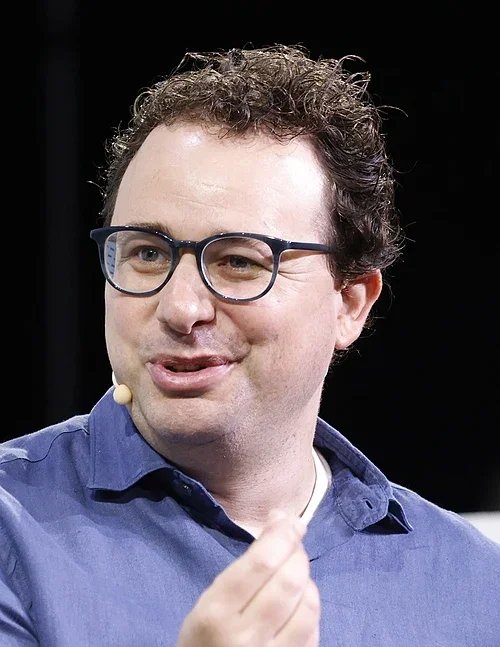
The US just switched off Anthropic's most powerful AI models for the world. Here is what that means for every nation betting on AI for growth.
Most investors understand the world is more volatile. The briefings arrive. The risk reports land. The geopolitical picture, multipolarity, fragmentation, the erosion of the rules-based order, is broadly understood. But understanding the risk and being architecturally ready to act on it are two very different things. This piece makes the case for what is missing.
The largest oil supply disruption in history is not just an energy story. It is a trust story. And trust decides where capital goes next.
The Iran conflict has shifted the question driving global wealth flows from tax to safety. As family offices reassess domicile risk, capital is moving from the Gulf to Singapore and beyond. This analysis examines the new decision hierarchy reshaping how mobile wealth chooses where to go next.
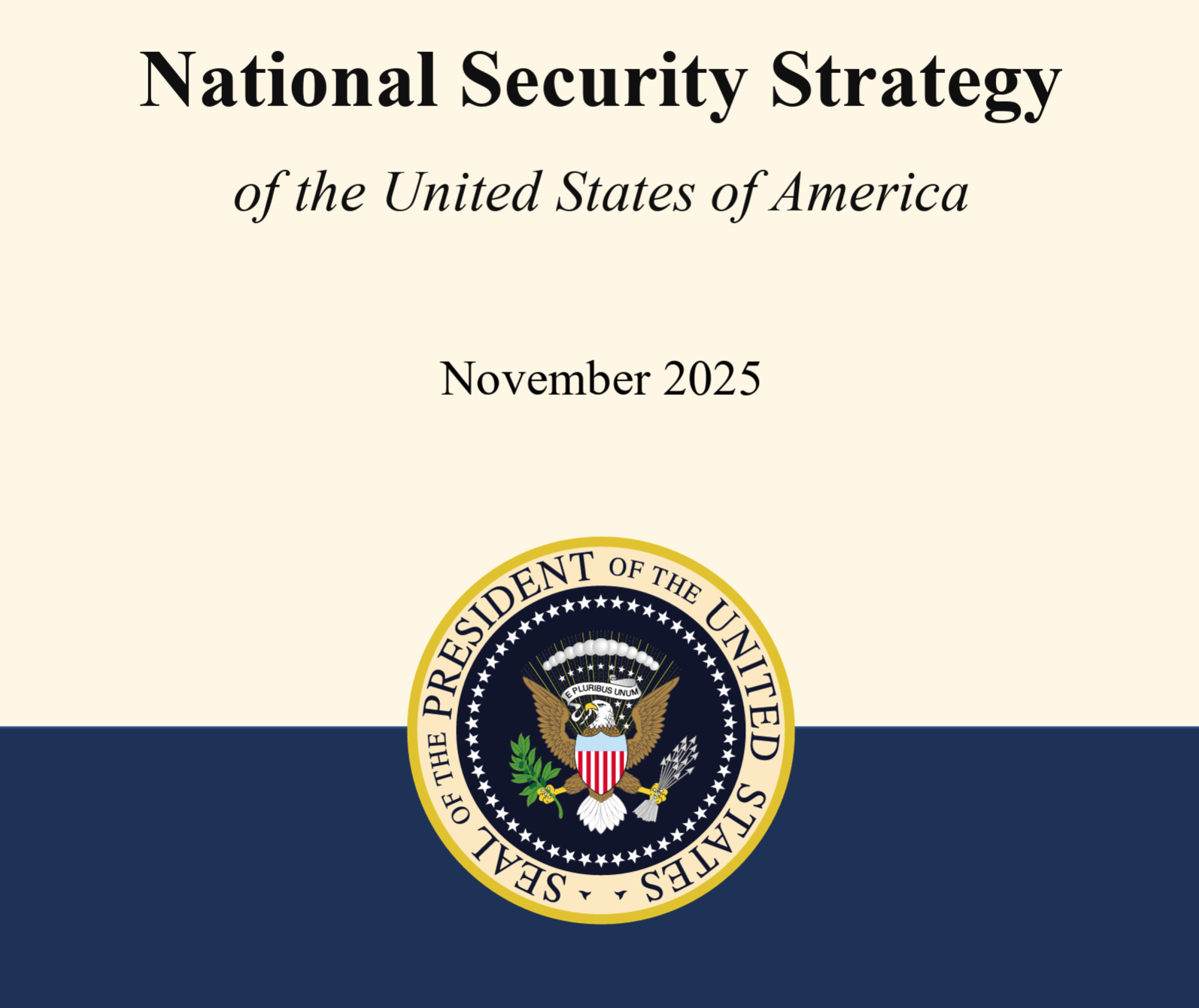
The 2025 US National Security Strategy marks a break from liberal globalisation. Supply-chain control and strategic competition are now board-level priorities. What this means for investors and executives.
Spain is transforming from a tourism-led economy to a European innovation powerhouse. Learn how its growth, strategy, and global perception are attracting investors, tech leaders, and governments worldwide.
What soft power is, how countries use it to shape diplomacy, trade and investment, and why it still matters in a more contested, multipolar world. The Foreign Policy Centre has just released its latest report outlining a way forward for the UK Government to develop soft power.
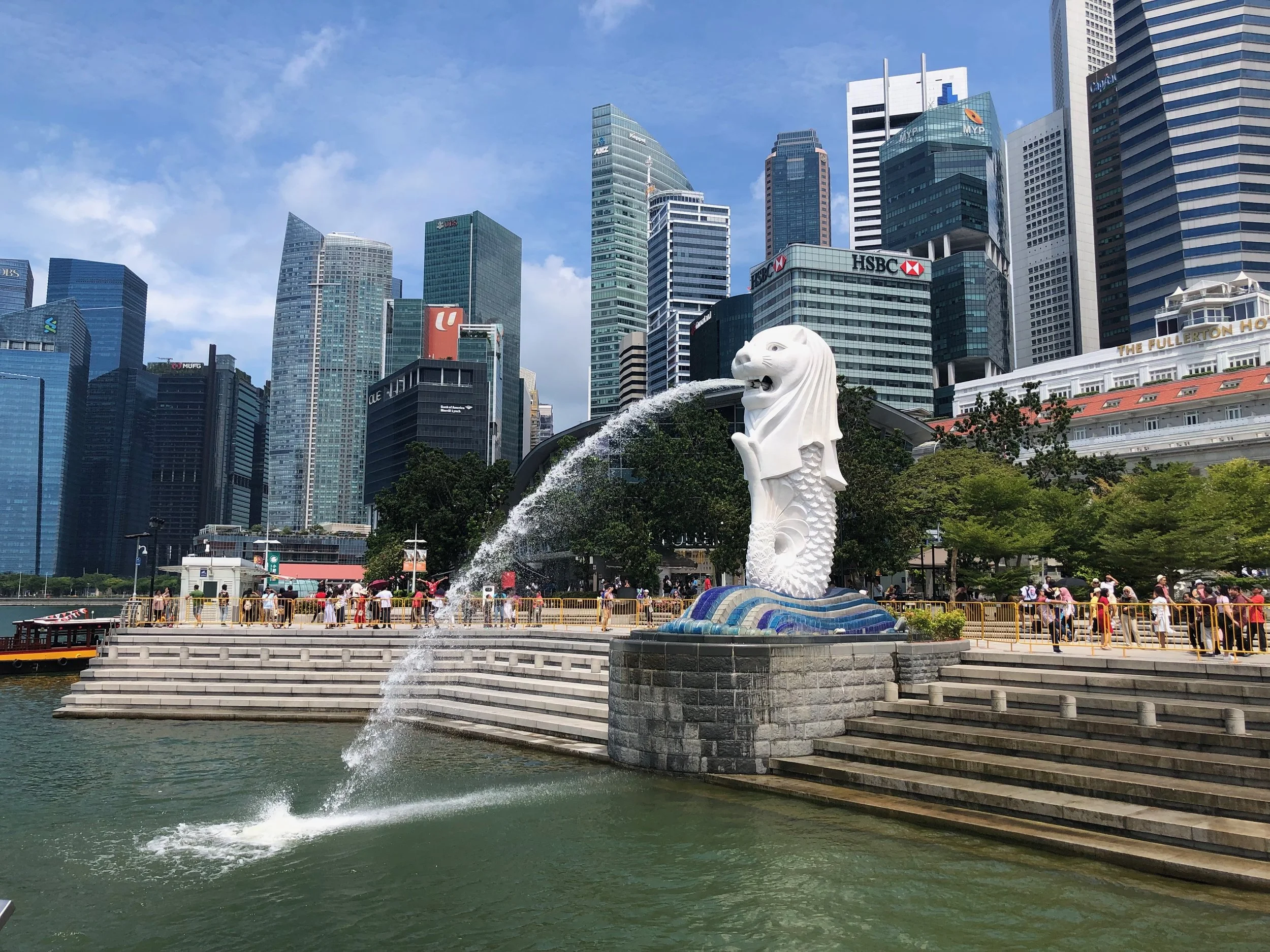
Singapore's "Nation by Design" is a masterclass in strategic governance. In this blog I explores how intentional design, from civil service excellence and fiscal agility to human-centered policies and education, have transformed a small island into a global powerhouse. Discover Singapore's blueprint for earned trust, economic dominance, and a future-ready nation.
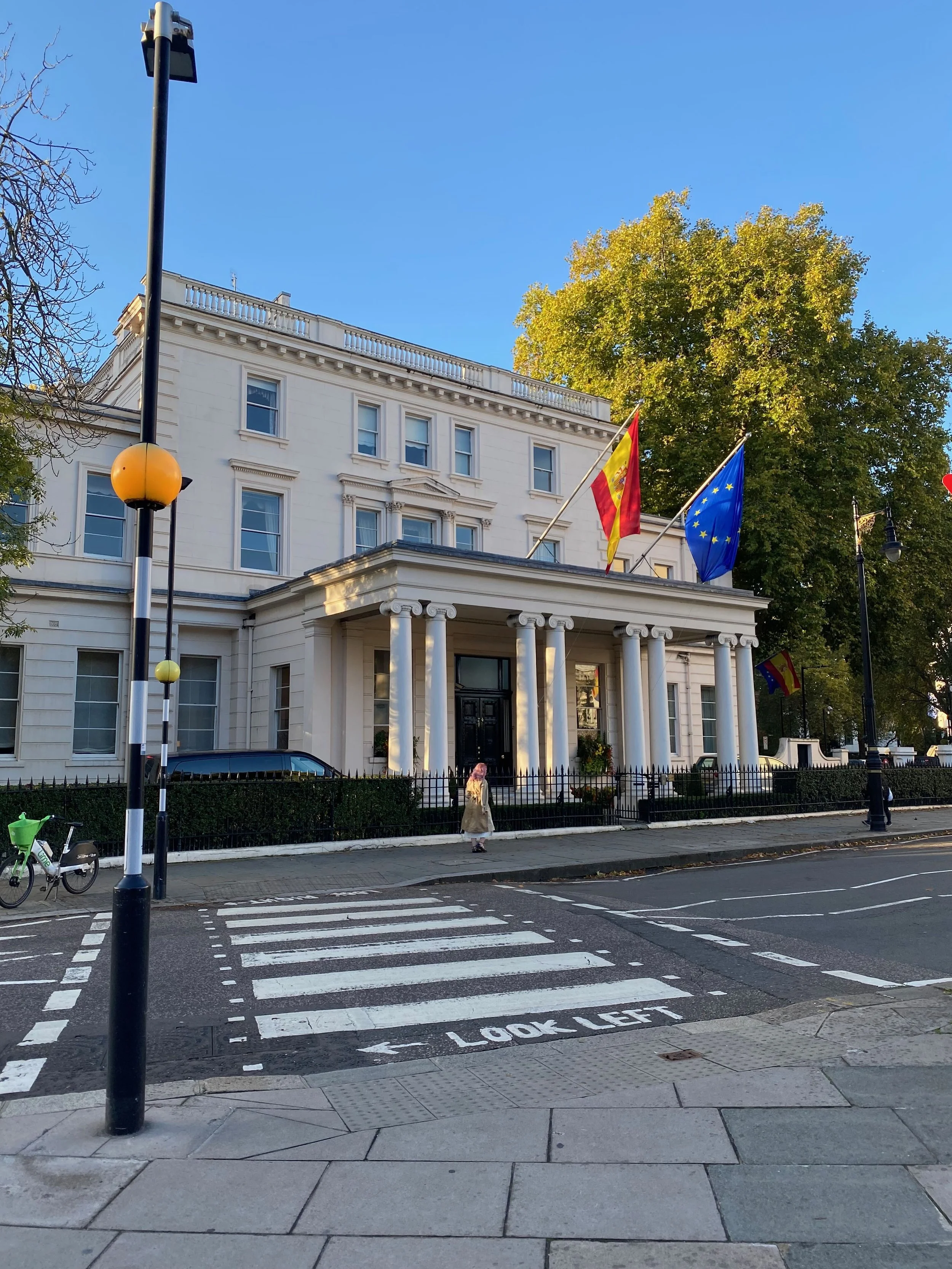
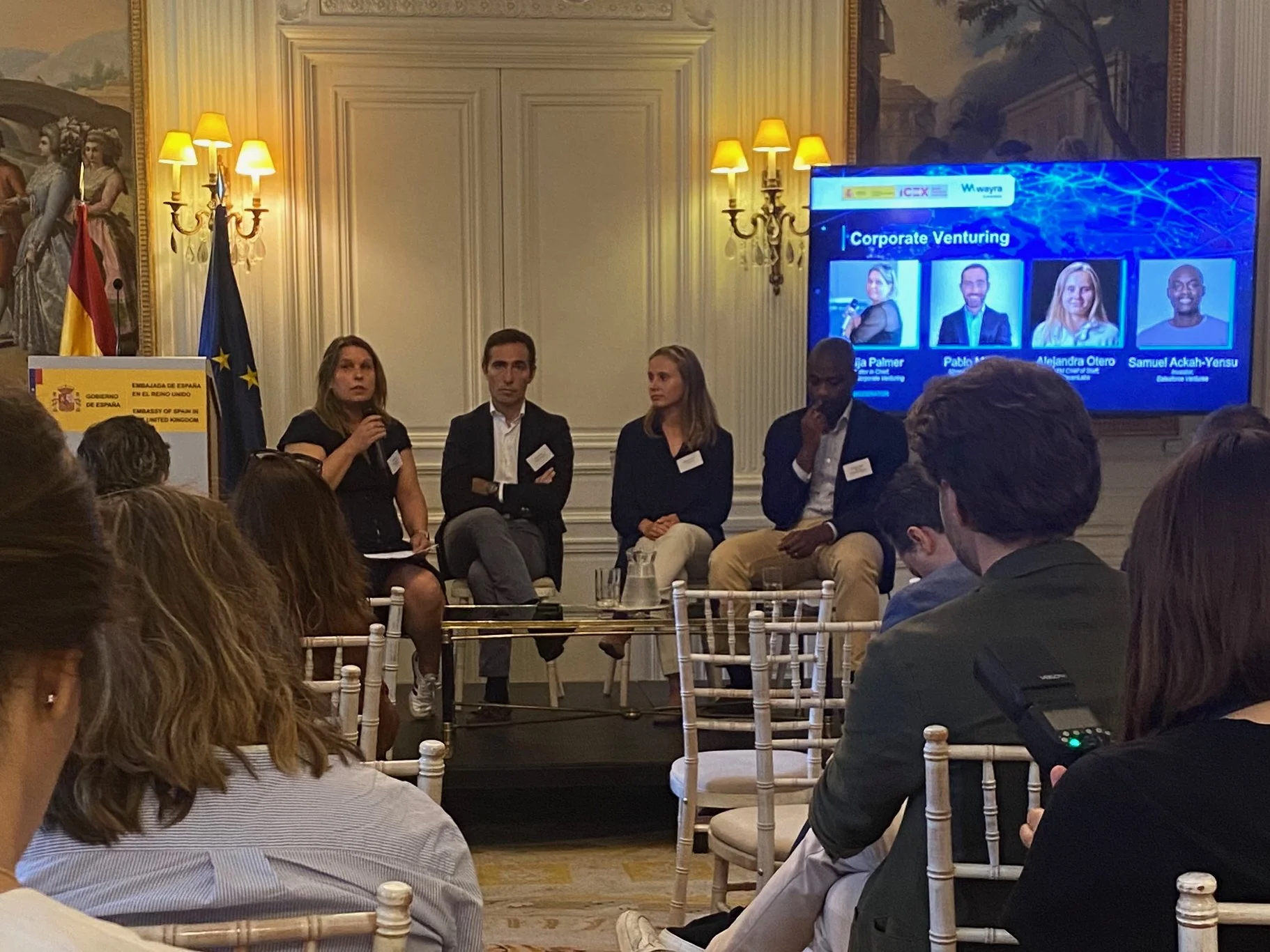
Spain is rapidly emerging as one of Europe’s most investable innovation hubs. With a ten-fold increase in venture funding, 17 unicorns, and a sophisticated blend of public and corporate capital, Spain offers deep opportunities for investors, innovators, and corporate venture arms. From clean energy and AI to biotech and quantum, this article shares insights from UK–Spain discussions at the Spanish Embassy in London, highlighting where strategic growth and partnerships are already delivering results, and where the next big bets will be.
Economic diplomacy is reshaping global business. Leaders who align with national strategies and engage at the intersection of policy and profit are gaining a competitive edge. Here’s how strategic insight drives access, resilience, and long-term growth.
American businesses are witnessing a rise in anti-American sentiment worldwide. What is the impact of this, and how can American companies and investors that trade, invest and profit from their presence overseas protect themselves?
Companies today do work that once belonged to ambassadors and international diplomats. They negotiate with governments, deal with sanctions and help set the rules on data and energy. This piece looks at why that happened and what it asks of a board.
The Trump administration's 'America First' strategy is creating global instability. This approach could backfire and hinder the US. In this blog post, I'll explore how governments and businesses can navigate this new world of trade and policy. I'll analyze the impact of controversial trade policies and offer strategic advice for international governments, US and multinational corporations, and investors.
The risk register is flashing red. With Donald Trump’s threatened tariffs destabilising global trade, businesses and investors face heightened uncertainty. Strategic communications professionals must now act as navigators, mitigating risk through scenario planning, government engagement, and crisis messaging to protect reputations and ensure stability.
Geo-political and geo-economic risks are no longer abstract concerns; they are boardroom priorities shaping corporate strategy and investment decisions. From trade wars and sanctions to shifting regulatory landscapes, businesses and investors face increasing uncertainty. Yet, those who embed strategic communications, public affairs, and risk intelligence into their operations are better positioned to mitigate disruption and seize new opportunities. In 2025, forward-thinking leaders are investing in geo-political risk management not as a defensive measure, but as a competitive advantage. How prepared is your company?
TikTok has gone dark in the US after a law banning it came into effect. But, is TikTok a national security or an example of US corporate lobbying and influence against a foreign and Chinese digital and social media company that has disrupted Meta, Google, X and others?
Misinformation is no longer just a societal issue—it’s an economic and strategic risk. From disrupting financial markets to eroding corporate reputations, the pervasive spread of false information is reshaping how businesses and governments operate. CEOs and senior executives must address this challenge with robust strategies that combine transparency, proactive communication, and stakeholder engagement. The World Economic Forum’s Global Risks Report 2025 underscores the urgency of tackling AI-driven disinformation, a risk that threatens to destabilise societies and economies alike. Is your organisation prepared to navigate this fragmented digital landscape.
As the world changes into a multipolar world, countries like China are losing interest in English as a foreign language. This will force Western companies to learn, trade and do business in local languages. Their reputations will be built or broken based on how they adapt to local culture and how consumers relate to their brand and values.
How strategy, strategic communications and stakeholder engagements can help mitigate the risks and turbulence of 2025.
Five trends to look out for in 2025, from the development of a multipolar world and the rise of quantum computing to ESG and digital transformation trends. Strategy, strategic communications and stakeholder engagement will help businesses grow.
The US has elected Donald J Trump as it’s 47th President in a bitterly fought election. His policies and control of the Senate are likely to re-shape how America works, lives and influences the world. Businesses now have to re-align their strategies and communications in order to trade in the world’s biggest market. Here are five strategy and strategic communications recommendations to help businesses minimise the incoming risk.
With trade barriers and protectionism increasing, understanding different international cultures will become an essential skill set for strategists, communicators and advisors..
Trust, reputation, and cultural understanding are critical in the globalised environment in which we live and work. Where there is a lack of trust, there is a lack of innovation and growth. A new approach is needed to support innovation and growth.
Six signals for 2026 that leaders in government, technology and investment should act on now. A strategic view of geopolitics, trust and reputation as operating constraints.