Capital and investment
Capital follows confidence. Before anyone invests, they have already decided whether they trust you.
I work and engage in a private capacity with family offices, sovereign wealth funds, corporate venture teams and the companies they back. Most have strong fundamentals. What they need is a story the right investors understand and repeat. I find the gap, then help you close it.
See how I work or start a conversation.
Start here
Latest insights
US investors now fund 47% of European defence tech. Rules are not what is holding UK defence investment back. Perception and reputational risk is, and it is costing Britain and Europe ownership of its own security.
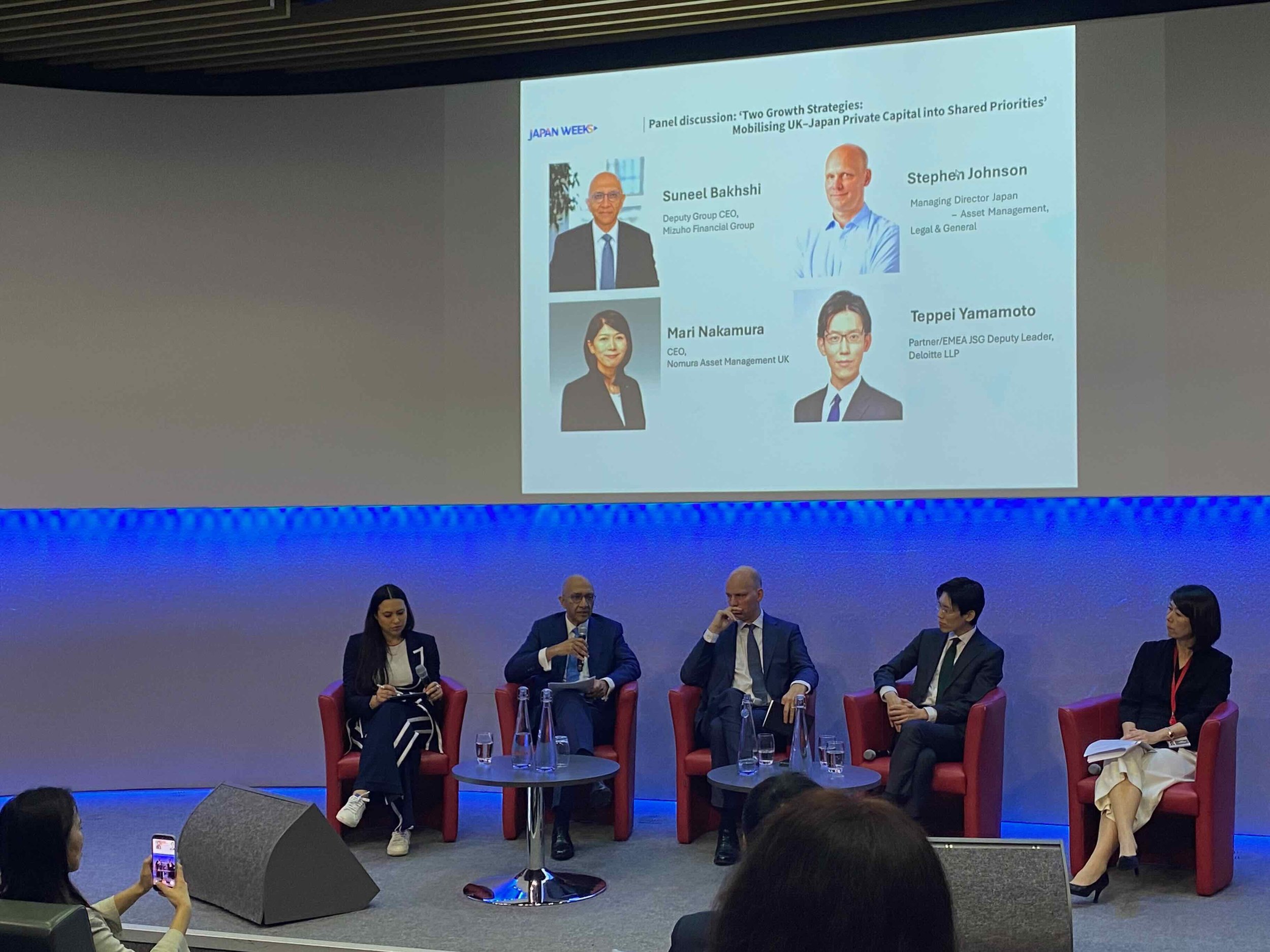
At Japan Day in London, Ambassador Hiroshi Suzuki said Japan needs to "wake the money up." This article examines the signals behind Japan's ¥373 trillion growth strategy, what the UK can learn from Japanese corporate innovation, and why soft power may be the missing piece in Japan's investment narrative.
Recent media headlines say billions in wealth have left the UK. Yet HMRC, Tax List and city-ranking data show what is moving, what is staying and why it matters. The data is different to the narrative, and the narrative is painting a negative picture of the UK.
Defence secures the world we live in and has quietly fuelled decades of innovation and growth. Yet for too long, it has carried a reputation it does not deserve and is making us vulnerable to hostile states.
Sovereign wealth funds are quietly building their own asset-management platforms. They are becoming the GPs they used to fund, not just the LPs behind them. What is the impact of this move?
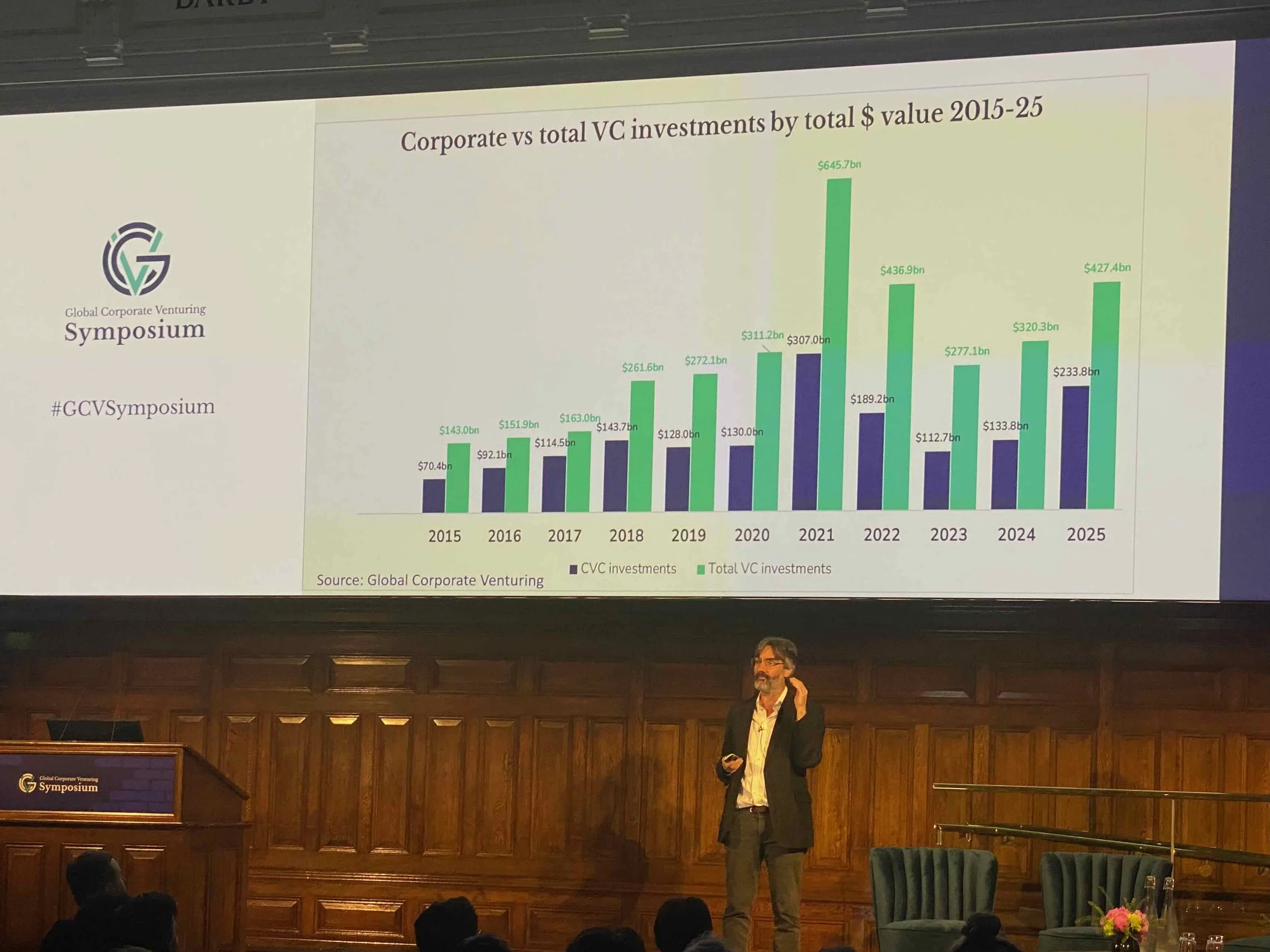
Two days at the Global Corporate Venturing Symposium in London confirmed something I have believed for years: the biggest barrier to innovation in investment, defence, and deep tech is not the technology. It is the risk-averse culture inside the institutions that should be accelerating it. Here is what the signals said, and why it matters now.
Corporate venture capital is outperforming traditional VC where it counts most, not on returns, but on survival, commercialisation, and scale. Here is why the cheque is the least important thing a CVC brings.
The UK life sciences sector is backed by world-class science, £520 million in government commitments, and new private market infrastructure. So why is 94% of late-stage capital still coming from overseas?
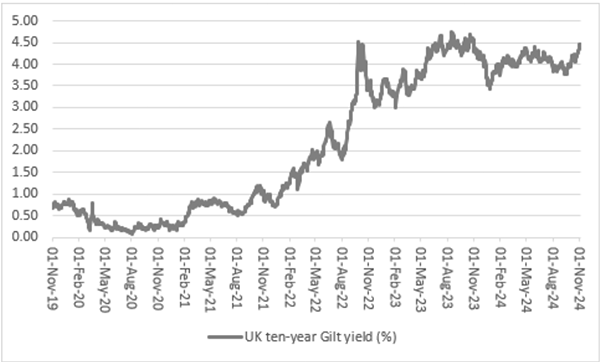
Bond markets are not the enemy of governments. They are the trustees of other people's futures, and they are asking one question that too many policy teams are failing to answer.
Every startup needs advertising, marketing and promotion to grow. Media for equity is the instrument that lets founders buy reach without losing the cap table. Here is why it is going global, and why now.
Single family offices are becoming institutions at record pace, with independent directors, professional CIOs and formal succession plans. With the sector’s AUM set to exceed the global hedge fund industry by 2030, governance is only half the story. This article argues that reputation is now the most underpriced asset a family holds, and sets out why.
The largest oil supply disruption in history is not just an energy story. It is a trust story. And trust decides where capital goes next.
The Iran conflict has shifted the question driving global wealth flows from tax to safety. As family offices reassess domicile risk, capital is moving from the Gulf to Singapore and beyond. This analysis examines the new decision hierarchy reshaping how mobile wealth chooses where to go next.
Most M&A failures are not caused by financial errors but by mismanaged perception, weak private engagement and cultural misunderstanding. Trust, reputation and strategic advisory must sit at the centre of every deal. This article explains why private communications, geopolitical fluency and cultural intelligence are now essential to securing stakeholder confidence and protecting value.
Why is trust becoming the hardest currency in corporate venture capital? CVCs now differentiate not by cheque size, but by the strategic insight, commercial access and risk expertise they bring to early-stage companies. New data from the State of CVC 2025 report sets out what CVCs and founders must do to build perception, credibility and growth.
The debate between a growth mindset (scale at all costs) and a venture mindset (build a valuable asset) is a strategic crossroads for founders and investors. But this is a false choice. The ultimate competitive advantage lies in fusing both, using trust as the essential catalyst. This analysis reveals how trust directly accelerates customer acquisition, builds durable company value, and secures higher valuations. Learn the framework that turns reputation into your most powerful growth lever and risk mitigation strategy.
In the world of private capital, trust is the foundation. LPs trust GPs to act in their best interest, and GPs trust LPs to be long-term partners. Reputation is what makes or breaks this dynamic.
Learn why trust, perception, and reputation are now more critical than financial returns for both LPs and GPs in fundraising and partnerships. Discover how to build and manage trust as a strategic asset.
Family offices, CIOs, and lawyers must strategically manage reputation. It's a core asset, not a tactical concern, that drives deal flow and safeguards legacy in private networks and public spheres. Learn about how you can build and protect how you and your investments are perceived.
Europe’s deep-tech ambitions depend on more than just research and capital, they hinge on trust, strategic collaboration, and clear communication. The European Innovation Council’s latest Corporate Startup Collaboration report shows how the EU is working to unlock growth through corporate venture capital (CVC). But to truly compete with the U.S. and Asia, Europe must go further: aligning incentives, strengthening positioning, and using strategic communications to build confidence and scale impact.
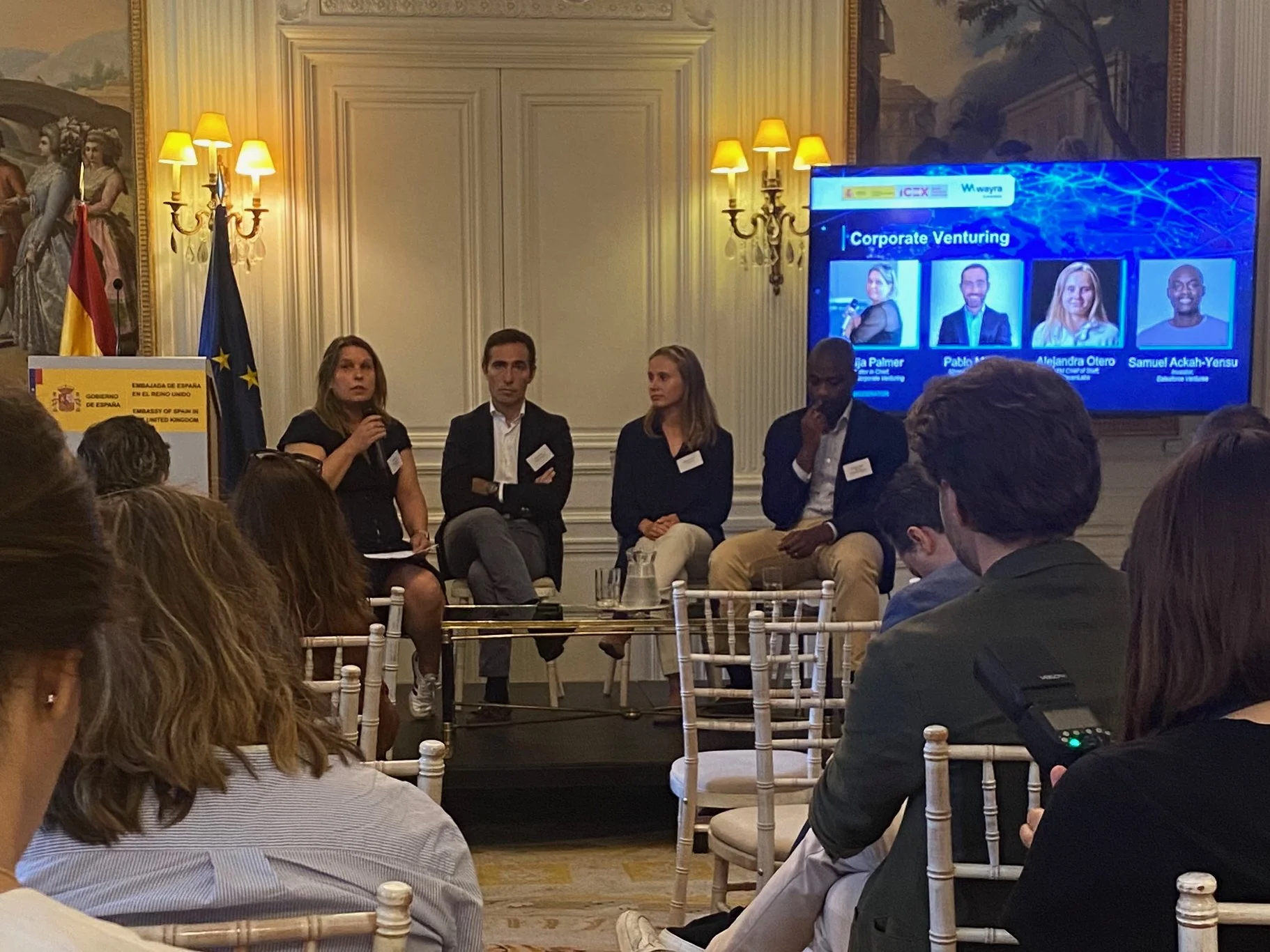
Spain is rapidly emerging as one of Europe’s most investable innovation hubs. With a ten-fold increase in venture funding, 17 unicorns, and a sophisticated blend of public and corporate capital, Spain offers deep opportunities for investors, innovators, and corporate venture arms. From clean energy and AI to biotech and quantum, this article shares insights from UK–Spain discussions at the Spanish Embassy in London, highlighting where strategic growth and partnerships are already delivering results, and where the next big bets will be.
Corporate venture capital is more than capital, it’s capability, insight, and strategic advantage. But to scale innovation and deliver returns, CVCs must treat communications as core infrastructure. I attended GCV Symposium in London this week and discussed why strategic comms is critical to trust, growth, and investor value.
Britain stands at a strategic crossroads, with policy, capital, and innovation aligning. As the UK enters a “Goldilocks moment,” family offices and venture investors must act decisively to turn this rare opportunity into long-term growth, trust, and national competitiveness.
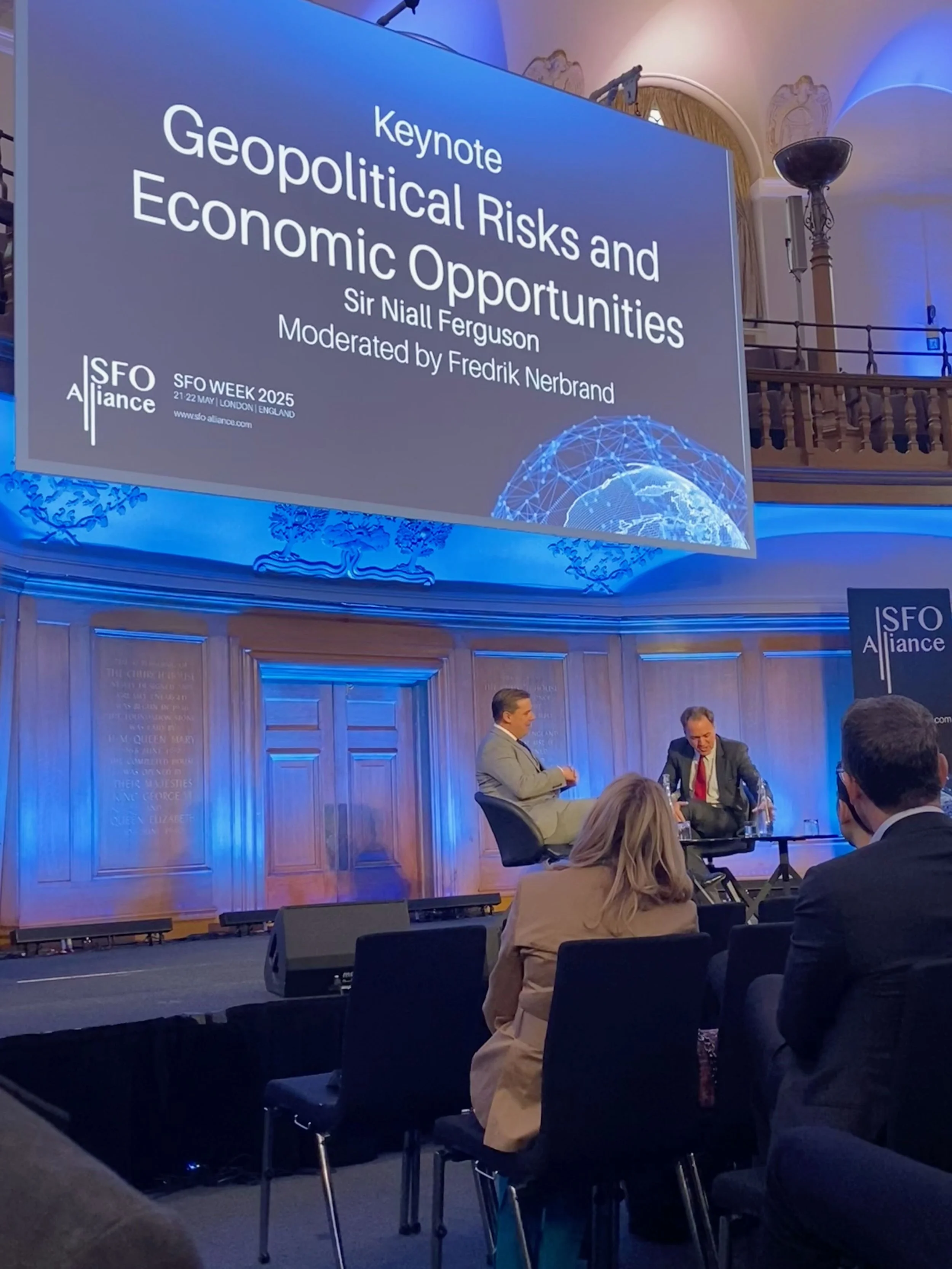
At SFO Week 2025, it became clear that single family offices are more than capital providers—they’re strategic builders of innovation, trust, and long-term growth. From deeptech to university spinouts, family offices are shaping the future of investment with purpose and conviction.
Reputation is now a key driver of investment decisions across venture capital, corporate venture capital, and family offices. In this blog, we examine how trust influences deal speed, valuation, and risk, and offer practical guidance for founders and investors navigating today’s reputation-first funding landscape.
Despite political headwinds, impact investing is evolving—not retreating. From China to the Gulf, capital is flowing to ESG ventures that align long-term financial returns with strategic reputation and trust.
Delaware’s proposals to limit shareholder recourse are prompting concerns among global investors and business leaders, who fear a rollback of corporate transparency. By actively lobbying for robust governance, enhancing internal oversight, and advocating for accurate economic metrics, stakeholders can protect trust and long-term market confidence.
Venture capital is evolving rapidly, with AI, fintech, and climate tech dominating investment flows. According to CB Insights’ State of Venture 2024 report, global VC funding has hit an eight-year low, but key sectors and regions are still thriving. While the US, UK, and parts of Asia attract strong investment, China, Canada, and Germany face declines. As governments refine policies and start-ups adapt to investor demands, 2025 presents both challenges and opportunities for venture-backed innovation.
Over the last decade, corporate venture capital has accounted for more than 46% of US venture deal value, according to PitchBook. Yet few of those portfolio companies are later bought by their corporate backers. This piece sets out how clear communication with the parent company, founders and co-investors helps a CVC team turn that money into strategic value.
Strategic communication and stakeholder engagement are not optional for entrepreneurs, start-ups, and investors—they’re essential for driving growth and building resilience. This blog explores how embedding these strategies from the outset helps businesses overcome challenges, attract investment, and achieve sustainable success.
Tech IPO valuations are soaring as SpaceX, OpenAI and Anthropic reshape markets. We need to think whether ambition, narrative and AI hype are driving sustainable value or a growing bubble.